
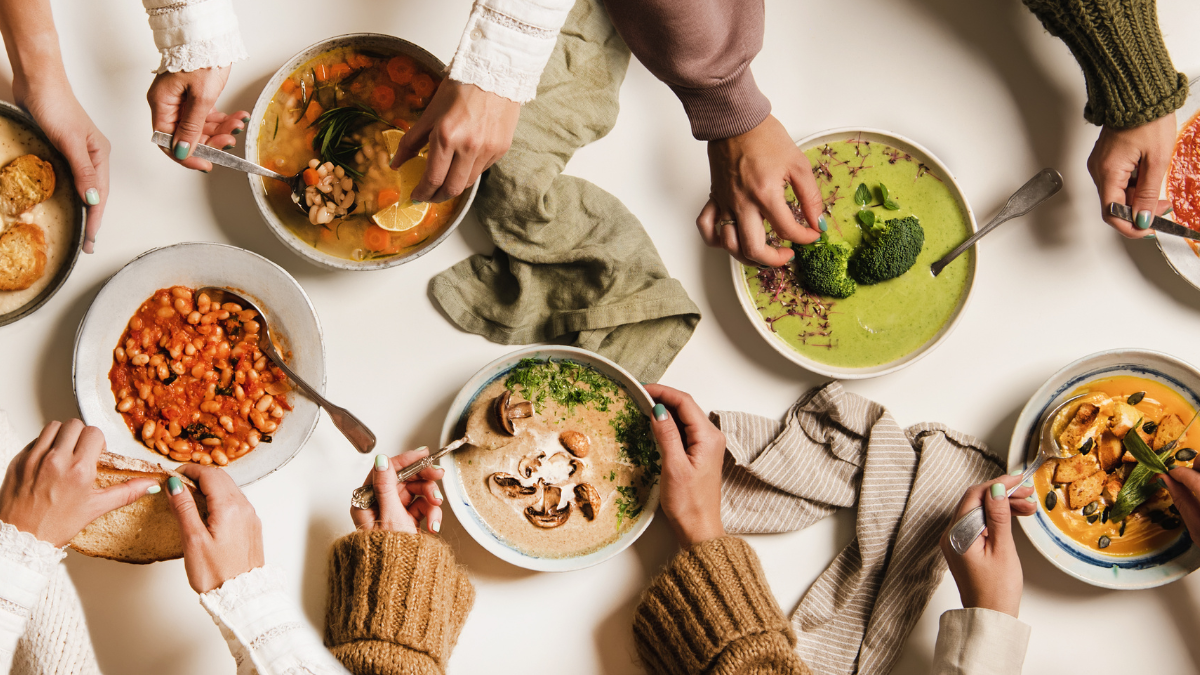
Eating with dysphagia (difficulty eating/drinking) can make even familiar meals feel stressful or exhausting. These recipes are designed to make eating safer, easier, and more enjoyable, without turning meals into something that feels medical or separate from everyone else at the table.
Same Menu focuses on real food adapted thoughtfully, so people with swallowing or chewing difficulties can still enjoy meals that feel familiar, comforting, and worth looking forward to.
All recipes on this site are developed by a clinician and uses the language of the IDDSI framework, which clearly describes the characteristics of the safest meals, while keeping simple levels and testing methods with home cooks and caregivers in mind. I have also developed a glossary, to ensure that you can easily understand any of the recommendations on the site.
How dysphagia friendly cooking works
Dysphagia friendly eating isn’t always about one “right” diet. Needs can change day to day depending on fatigue, illness, recovery, or stress. Instead of focusing on restrictions, this approach focuses on matching food texture to what feels safest and most comfortable right now.
That’s why recipes here are organized by texture level, not by diagnosis. Texture-based eating allows more flexibility, better safety, and a greater chance of enjoying meals again.
Start with the texture that fits best
If you’re not sure where to begin, these paths can help you find recipes that match your current needs:
- If swallowing is difficult or chewing isn’t safe:
Start with Pureed recipes, which are smooth, cohesive, and require no chewing.
- If chewing is tiring or limited:
Explore Minced & Moist recipes, made with very soft, finely chopped foods held together with moisture.
- If chewing is possible but needs support:
Look at Soft & Bite-Sized recipes, where foods are tender, moist, and cut into manageable pieces.
- If most foods work but need to be gentler:
Try Easy to Chew recipes, which focus on tenderness and moisture while staying close to regular meals.
- If liquids or spoon-thick meals are safest:
Some Liquidized recipes may be appropriate, especially during illness or recovery.
Each section includes guidance to help you decide if that texture is a good fit, along with recipes designed to work reliably at home.
A few trusted places to start
If you’d rather begin with specific dishes, these reader-favorite recipes are commonly used by people managing dysphagia and by caregivers cooking for others:
- Ambrosia Salad: A minced & moist dish that brightens up the table and taste buds with tropical citrus flavors
- Full English Egg Bake: A soft, bite-sized casserole designed for minimal chewing but maximum comfort
- Sushi Bowl with Edamame Hummus: A smooth, savory puree that feels like a complete meal
- Malted Milk Cookie Bars: A gentle on the mouth dessert that’s easy to chew and satisfying
(You’ll find notes on texture, preparation, and when a different level might work better on each recipe page.)
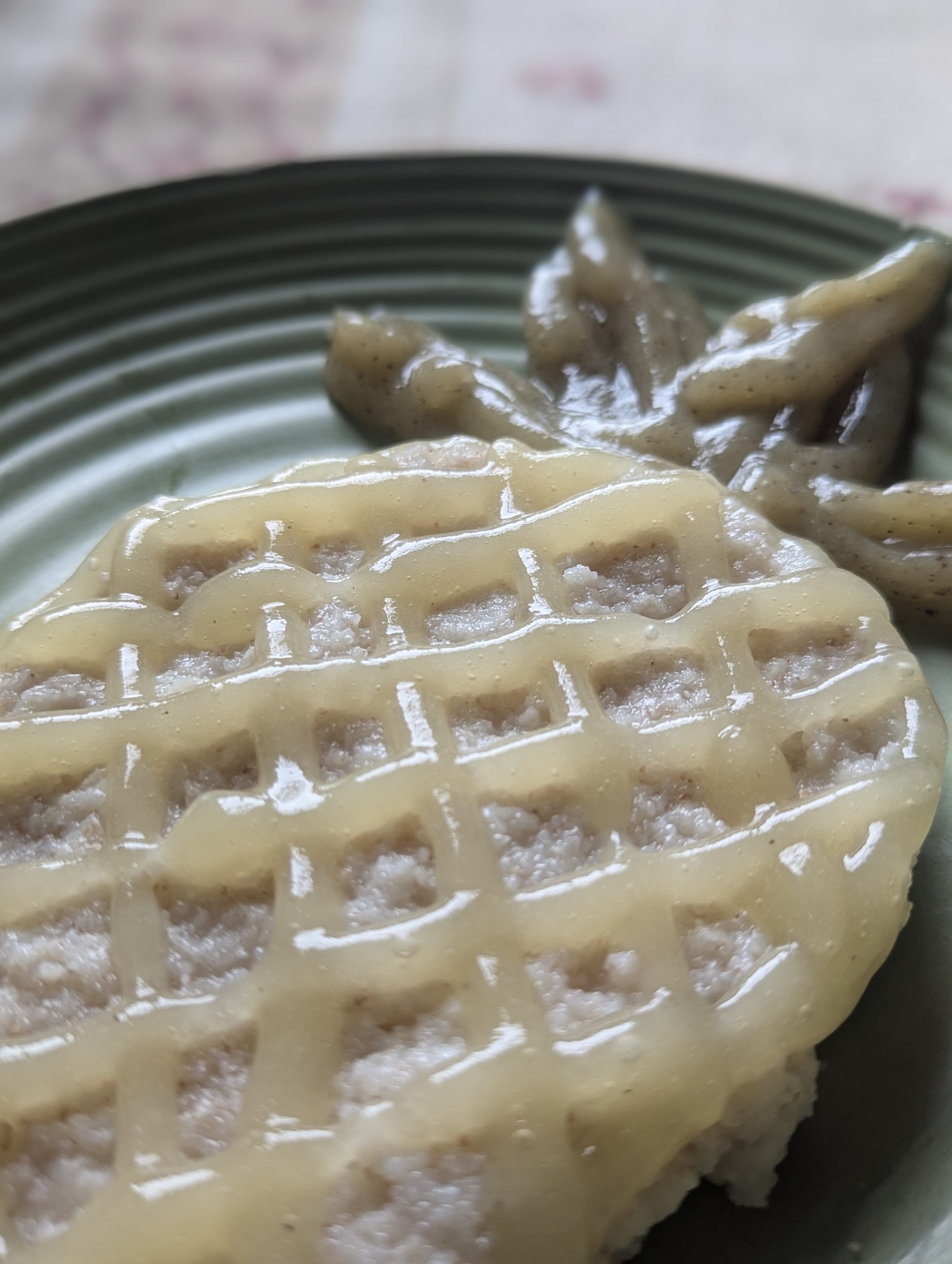
Cooking for dysphagia doesn’t mean cooking separately
Many of these recipes are designed so everyone at the table can eat the same meal, with small adjustments to portioning, cutting, or texture when needed. That’s the heart of Same Menu: keeping meals shared and familiar.
Caregivers, partners, and family members are welcome here. You don’t need culinary training or special equipment to make food safer and more comfortable.
A note on safety and flexibility
Everyone’s swallowing needs are different. These recipes are meant to support safer eating, not replace individualized guidance from your medical or speech-language professional. While I am a licensed speech-language pathologist, the subject experts on swallowing, I am not yours. Receiving individualized testing is the top priority to fit your specific combination of symptoms that make the bigger idea of “dysphagia” and can bring in personalized posture/maneuver recommendations that fit you.
If a recipe feels too difficult or tiring, there’s no failure in choosing a softer option. Many people move between textures depending on the day; that flexibility is part of eating well with dysphagia.
Explore dysphagia friendly recipes by texture
Use the links above to browse recipes by texture level, or explore individual dishes designed to make eating feel less stressful and more nourishing. Even if it is written for a different diet level, I include ways to modify into your level.
You deserve food that works for you, not against you.