
Author: Amy Listermann, MS, CCC-SLP
-
Soft Scrambled Eggs for Dysphagia
Easy to Chew (IDDSI Level EC7) Regular foods that are naturally soft and easy to chew, without tough, dry, or hard components. Scrambled eggs are often listed as a food that definitely fits soft, easy to chew diets, but the way they are cooked determines whether they stay smooth and cohesive or become dry and…
-

What is the Frazier Free Water Protocol (And Who is it for?)
Many people with dysphagia are told to drink thickened liquids to help reduce aspiration risk. The Frazier Free Water Protocol offers a different approach by allowing carefully managed access to thin water under specific conditions. For many, it can improve hydration and quality of life. What Is the Frazier Free Water Protocol? The Frazier Free…
-

Thickened Liquids: Safety, Hydration and the Real Trade-offs
When someone is having difficulties with swallowing drinks safely, thickened liquids are one of the most common recommendations. And it makes sense when you understand the level of timing coordination that your body needs to close off the airway. If you spill a cup of water, the liquid spreads very quickly across the surface. If…
-
Soft Cheese and Herb Scones
Easy to Chew (IDDSI Level EC7) Regular foods that are naturally soft and easy to chew, without tough, dry, or hard components. Soft Cheese and Herb Scones Built for Texture Control I always grew up with sweet scones like cinnamon chip or orange glazed but when I headed south for school, I was introduced to…
-
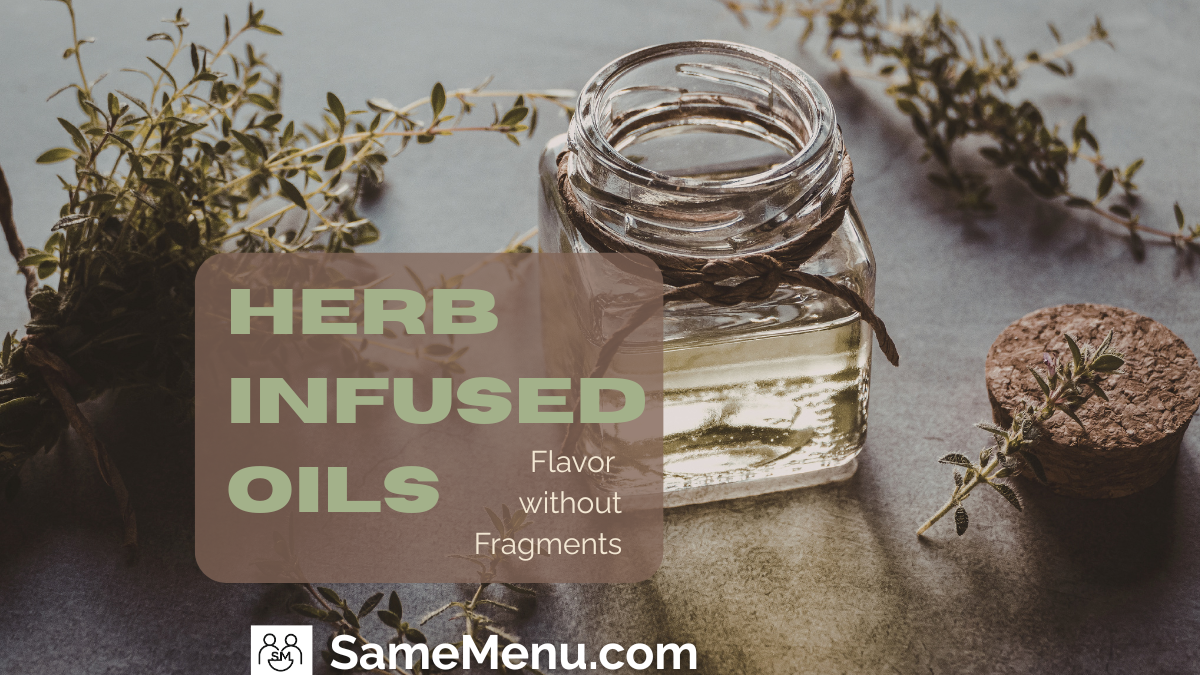
Herb Infused Oil: Flavor without Fragments
Herbs add brightness and depth to food, but chopped leaves introduce plant fibers that do not always break down evenly. In texture modified cooking, those fragments can affect cohesion, mouthfeel, and swallow predictability. What is Herb Infused Oil? Herb infused oil is oil gently heated with fresh herbs to extract fat-soluble flavor compounds, then strained…
-
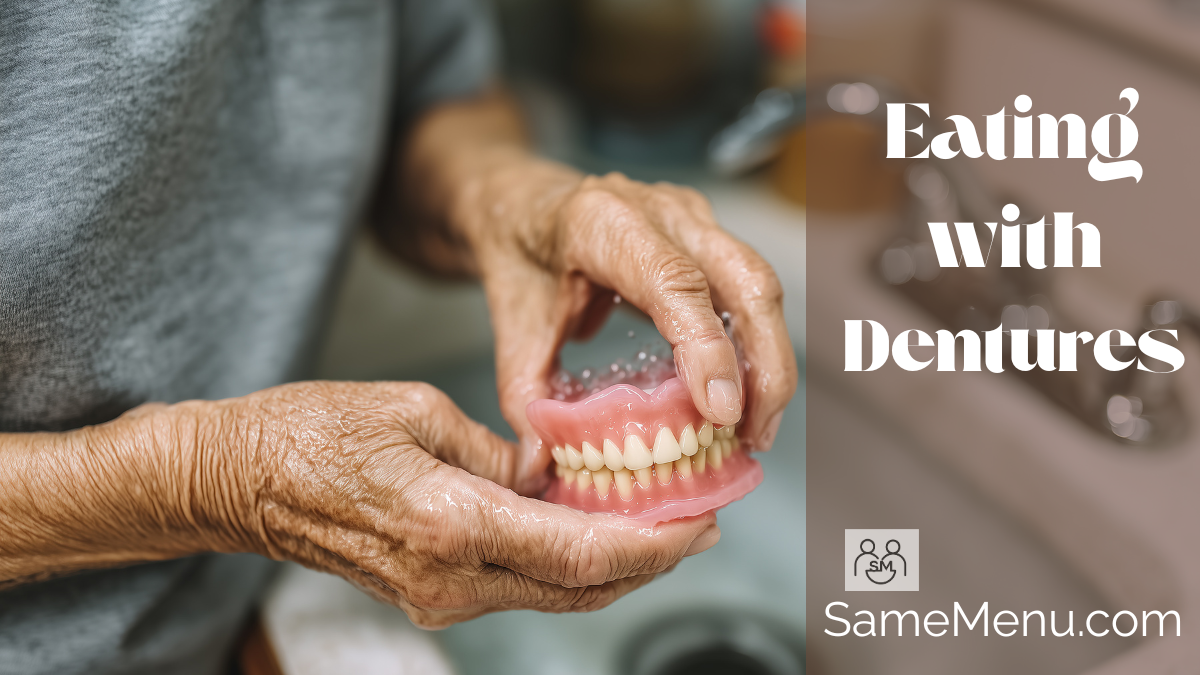
Eating with Dentures: Why Food Feels Harder and What Helps
Eating with dentures can feel very different than expected. Foods that once felt easy may now seem harder to manage, take more effort, or feel unpredictable in the mouth. This can be frustrating, especially if the dentures are adding to the amount of teeth you have to bite and chew; shouldn’t that make it easier??…
-
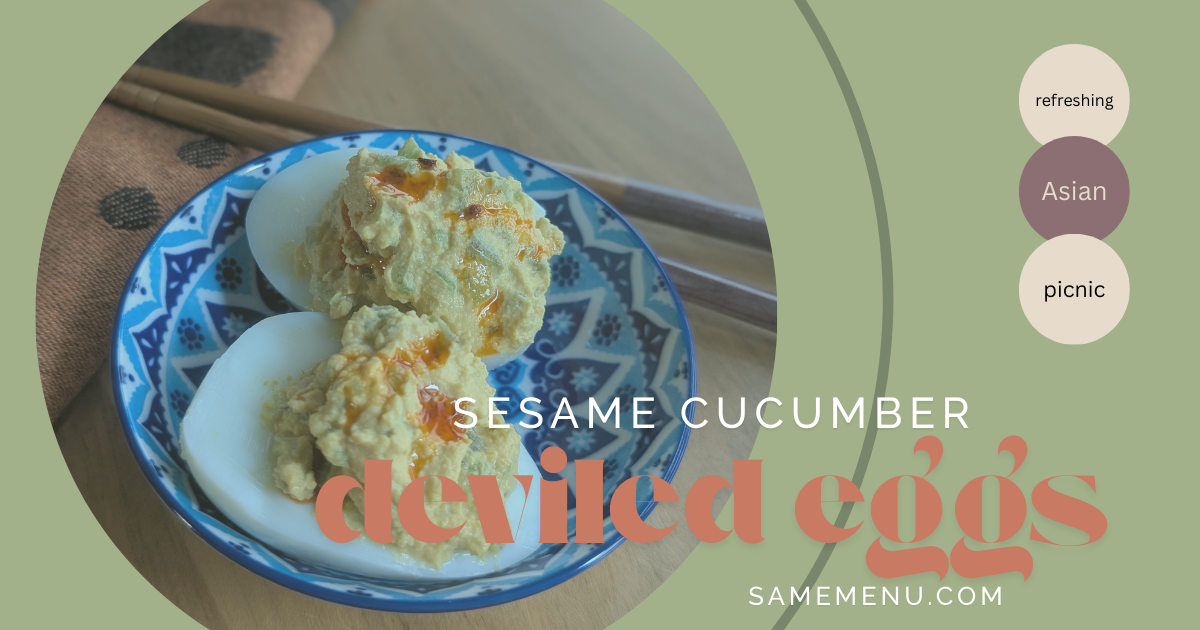
Sesame Cucumber Deviled Eggs
Easy to Chew (IDDSI Level EC7) Regular foods that are naturally soft and easy to chew, without tough, dry, or hard components. Deviled eggs have lasted for a reason. Eggs are one of the few foods that deliver high quality protein, fat, and micronutrients in a very small package, which makes them especially valuable when…
-

Dysphagia & IDDSI Glossary (Swallowing and Texture Terms Explained)
Changes to chewing and swallowing already feel like you entered another world, we don’t need to complicate things with a whole new language. This glossary decodes terms you might hear from clinicians, hospitals, or care teams on your journey with dysphagia and will continue to expand with resources and new definitions. On this page: Swallowing…
-

Why do I cough even with a dysphagia diet?
If you’re following a dysphagia diet and still coughing during meals, it can feel confusing or even alarming. Many people assume coughing means the diet isn’t working or that something dangerous is happening. In reality, coughing needs some context. Coughing is a protective reflex Coughing exists to protect your airway. When food, liquid, or saliva…
-

Weeknight to Date Night: Italian-Inspired Multi Course Recipe Set for Two
Cook Once, Eat for Days Without Turning Meals Into a Project This recipe set was built around one idea: concentrate effort once, then let the food carry you through the week. It delivers a complete multi-course meal for a special occasion, with enough volume and flexibility to cover lunches, dinners, and dessert later on. Instead…