
Minced & Moist (IDDSI Level 5)

Soft foods that are finely chopped and held together with moisture so they don’t crumble or fall apart.
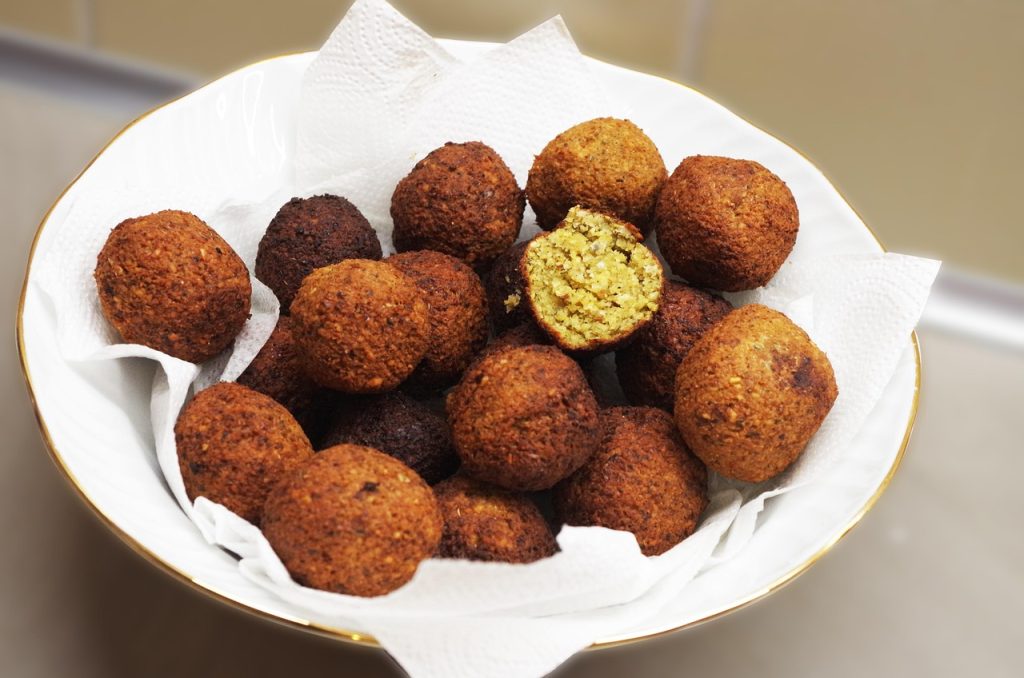
Falafel has always been about contrast; a crisp shell giving way to a tender, spiced center. For many people with chewing or swallowing changes, that very contrast can make it off-limits. This baked version reimagines the dish from the inside out, keeping its signature flavor profile but shifting the texture from crunchy to cohesive Minced and Moist (IDDSI Level 5) texture. The result is a oven-baked falafel that holds together gently and pairs with a cooling tahini yogurt drizzle that softens each bite.
A Mediterranean Staple, Reworked for Real Life
Falafel traces its roots through the Middle East and Mediterranean, with chickpeas or fava beans forming the base. Here, baking replaces frying to create an even heat that cooks the beans through and develops flavor without hardness. Pureed chickpeas, fresh herbs, and warm spices along with cumin, coriander, garlic become a batter that bakes into something spoon-tender rather than crisp. It’s still protein-dense, still aromatic, but now friendly to a broader range of eaters.
Tahini Yogurt Drizzle: Creamy Balance
Traditional falafel is often served with tahini sauce or yogurt, sometimes both. This version merges the two into a single drizzle: smooth, tangy, and rich in calcium and protein. The acidity of yogurt lifts the earthy chickpeas, while tahini adds depth and a hint of sesame sweetness. The drizzle also adds moisture, an important safety factor when legumes form the base of a dish.
Making It Accessible
Falafel’s ingredients are naturally fiber-rich but can dry out if handled like the traditional fried version. A few small adjustments protect both flavor and texture:
- Cooked chickpeas rather than soaked raw ones, they blend smoother and reduce grittiness.
- Olive oil and yogurt added directly to the batter create internal moisture, ensuring a cohesive bite.
- Avoid over-baking. Pull the tray as soon as the edges firm but before browning, the interior should test as soft and uniform, not crumbly.
- Check at serving temperature. Legume-based dishes stiffen as they cool; add a splash of broth or sauce if needed to stay within level.
A Flexible, Familiar Dish
The history of falafel itself is layered. Most people associate it with the Levantine region, but there’s strong evidence that its earliest form came from Egypt, where fava beans were abundant and frying in oil was an established technique. As falafel traveled through the region, chickpeas became more common, spices varied by community, and the dish adapted to each kitchen’s pantry. That adaptability is part of why it lends itself well to a casserole-style bake.
The cooking chemistry also works in our favor here. When you bake falafel mixture instead of frying it, the starches in the chickpeas hydrate more fully, creating a softer, more cohesive structure. A bit of moisture, whether from yogurt, tahini, or even a splash of broth, helps the mixture hold together without developing a crust that demands chewing force. Baking also eliminates the sharp edges and crumbly dry bits that can make classic falafel difficult for people with texture limitations. You get the same aromatic payoff from cumin, coriander, and garlic, but in a format that stays soft from the first bite to the last.
Falafel Bake Recipe
Ingredients
Equipment
Method
- Pulse chickpeas, onion, and remaining ingredients until finely minced and cohesive.
- Spoon into a small casserole dish.
- Bake 20–25 minutes at 350°F until set but still moist.
- Cool slightly before portioning; texture should hold together but collapse with light pressure.
SLP Notes
Testing Method: Food should pass the fork pressure test (mashes easily with light pressure) and the spoon tilt test (holds together but slides off easily when tilted). Particle Size: Pieces must be ≤ 4 mm for adults (2 mm for children). All food should appear cohesive, not crumbly or sticky. Moisture Level: Add small amounts of tahini sauce until the mix clings together without pooling liquid. Serving Tip: Keep the dish visually appealing by shaping or layering components while maintaining moisture. Retest texture if reheated or refrigerated.Texture Modifications
For Pureed (IDDSI Level 4): Follow recipe, allow bake to rest for 5 minutes, then blend with tahini yogurt until smooth with no lumps and passes the spoon tilt, fork drip and fork pressure tests. For Soft and Bite Sized (IDDSI Level 6): Recipe is naturally soft, simply make sure the bake is cut into 15mm pieces for serving. For Easy to Chew (IDDSI Level EC7): This recipe is naturally cleared for this level.How do I…
Adjust the macros?
Protein: To increase, add 1-2 eggs or egg whites to the mix, blend in silken tofu or add extra Greek yogurt into the tahini sauce.
Fat: To lower, reduce tahini ratio in the sauce. To increase, finish with a drizzle of sesame oil.
Carbs: To lower, replace 1/3 to 1/2 of the chickpeas with cauliflower rice or zucchini, but be sure process to your particle sizes ahead of baking and be sure to really squeeze the liquid out of these vegetables or the bake will have too much water and be soupy.
Make it fit my eating style?
Gluten-Free: This recipe is already gluten free, enjoy!
Dairy-Free/Vegan: Use your favorite dairy free yogurt/sour cream, its nearly vegan as written.
Make it fit my spoons?
Use canned chickpeas vs soaking dried beans
You can cut extras into slabs and freeze to make them easy to stack and store until reheating with a splash of water or broth
What makes this dish worth repeating is how well it fits real mealtime needs. It can be served warm, room temperature, or gently reheated without losing its softness. It holds its shape without drying out. And it invites variation: add spinach or grated zucchini to the mixture, use a different spice profile, or adjust the tahini sauce to be more herb forward. You can keep it plant-based by subbing a vegan yogurt for the drizzle or swap in a legume blend to adjust flavor and nutrition. Like many texture modified dishes, the success here comes from controlling moisture and particle size, not from stripping away the identity of the food.
Every recipe here is SLP designed for texture sensitive eaters: from dysphagia to dental issues to picky eaters. Get recipe roundups and practical tips by joining the mailing list.
Leave a Reply