
Cook Once, Eat for Days Without Turning Meals Into a Project
This recipe set was built around one idea: concentrate effort once, then let the food carry you through the week. It delivers a complete multi-course meal for a special occasion, with enough volume and flexibility to cover lunches, dinners, and dessert later on.
Instead of stacking separate cooking sessions across multiple nights, all of the active work happens in one calm window. The recipes are designed not to compete for attention. Nothing depends on tight timing. Every dish rests well, reheats cleanly, and fits together naturally so you can mix and match without starting over.
Menu Overview
This set leans Italian, but expands outside of the tomato and basil default.
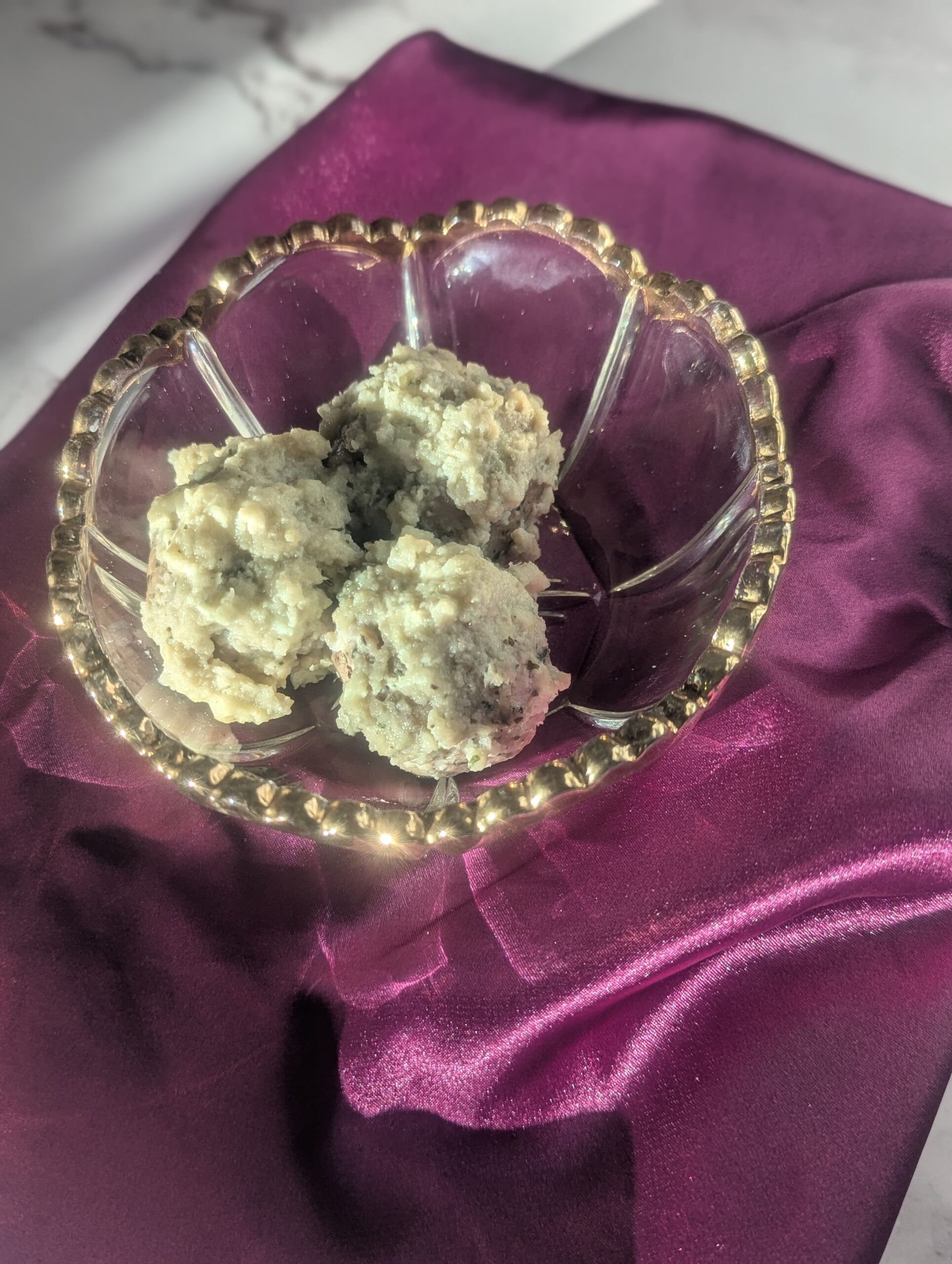
Chicken thigh and olive meatballs :: Dark meat keeps them tender and forgiving, while the olives lifts so the dish does not feel overly rich. They work as an appetizer on the first night, then transition naturally into later meals when folded into polenta or served with leftover sauce.
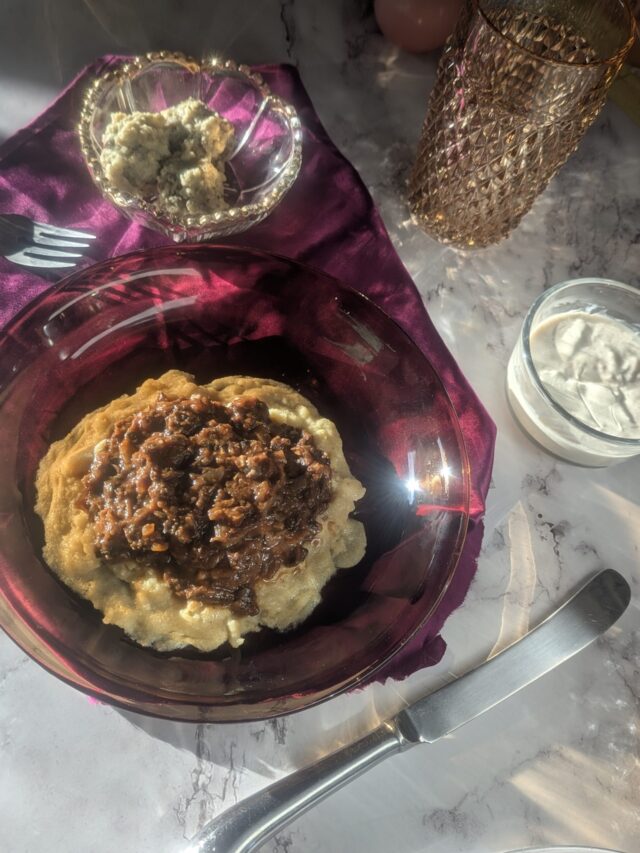
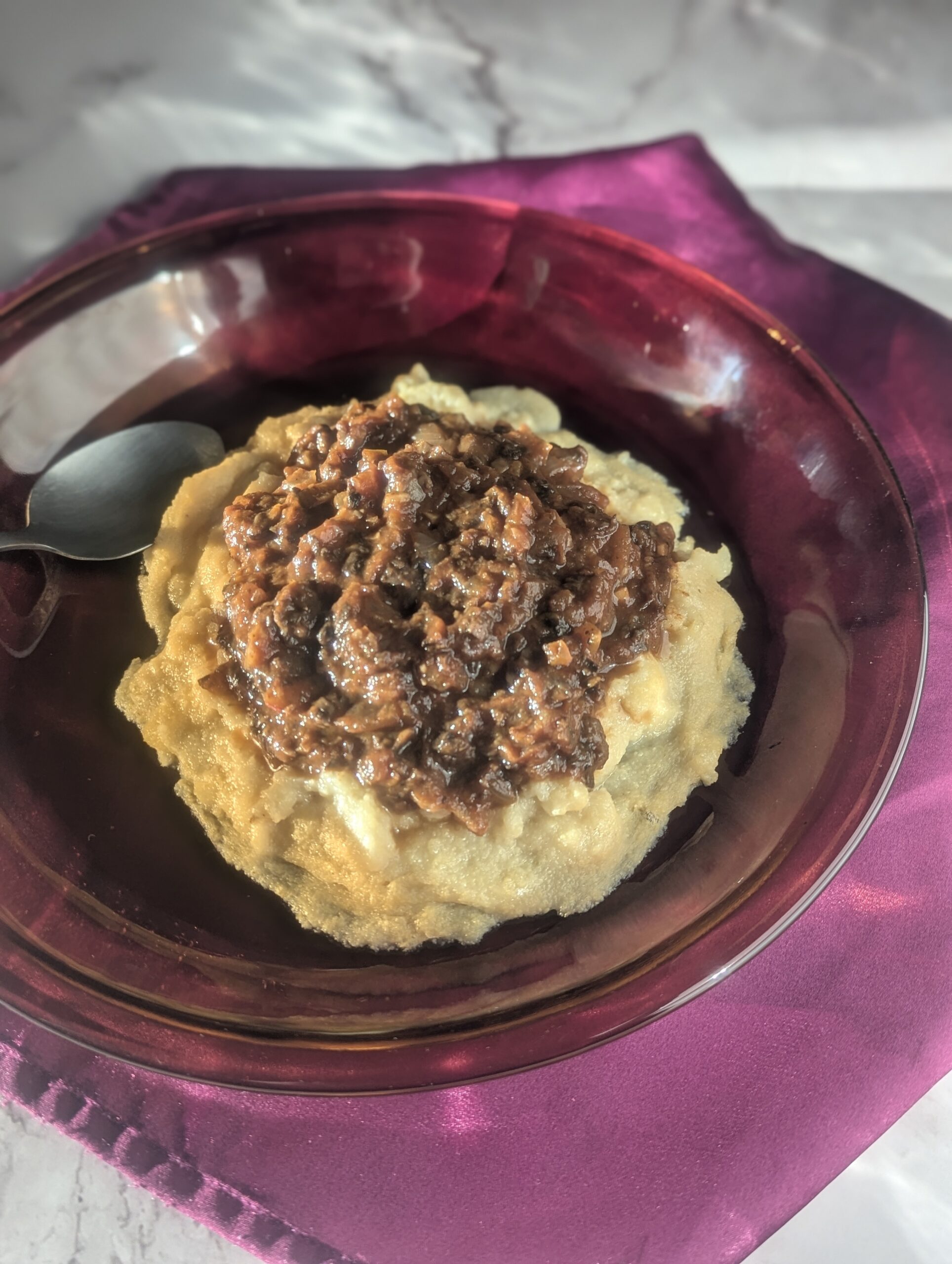
Mushroom ragù :: Built using wet heat rather than the drying pan frying. Mushrooms soften fully into a cohesive sauce, developing depth through the aromatics. It stands on its own as a vegetable forward main and also works as a topping or remix component later in the week.
Creamy parmesan polenta :: A forgiving base that completes the main course. By using an aged cheese like parmesan, there is a level of cohesion added without stringy or clumping risks. Ready to carry leftovers or incorporate new proteins and veggies in later, this dish is a handy stovetop recipe while your oven is occupied with the meatballs.
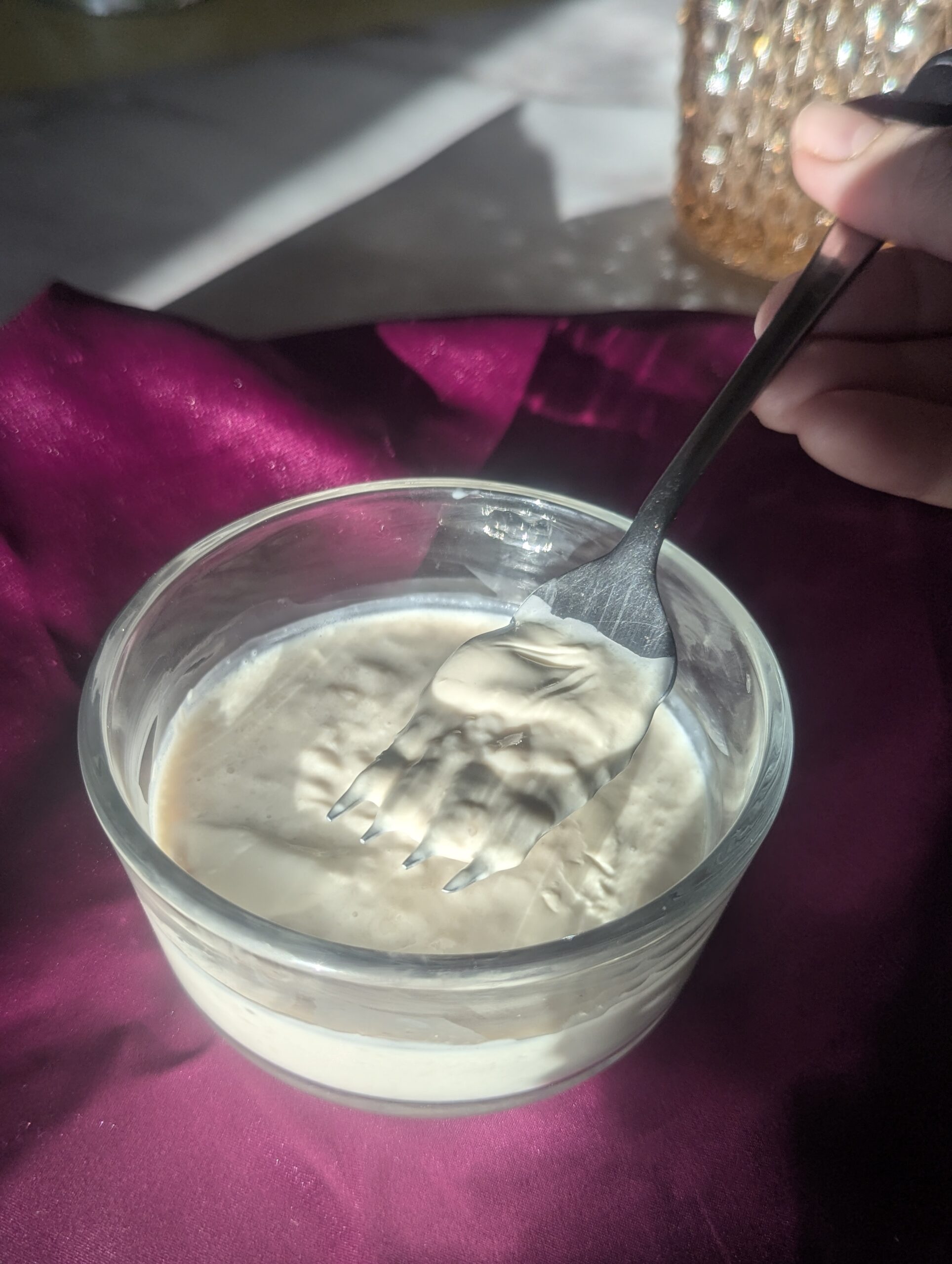
Espresso panna cotta :: Intentionally hands off and structurally stable while staying smooth. This dessert holds well in the refrigerator, only needing a single burner on the stove at the beginning, setting while your dinner is cooking and being enjoyed.
Step by Step Workflow
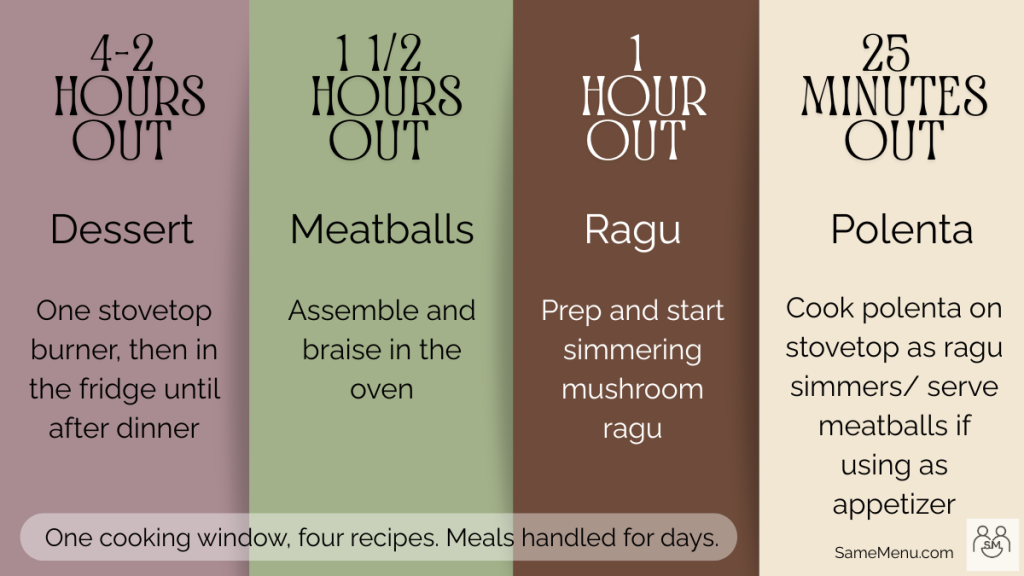
4-2 Hours out from Dinner: Dessert Is Finished Early
Start with the espresso panna cotta. It only needs the stove briefly and then sets on its own in the refrigerator. If you want to get the optional higher impact visual of the layers (it looks like a little cappuccino!), allow closer to 4 hours so the second layer can fully set. Otherwise, it will be ready in about 2.
Once the panna cotta is chilling, wash out the saucepan and whisk. You’ll need them later for the polenta, and this clears the deck before the main cooking window begins.
At this point, dessert is done and off your mind.
1.5 Hours out from Dinner: Oven Meatballs Start
Preheat the oven and assemble the chicken thigh and olive meatballs. Place them in their baking dish with liquid, cover tightly, and put them in the oven.
Because they’re cooked gently in moisture, the timing is forgiving. They benefit from resting, so there’s no pressure to serve them the moment they’re done. Once the dish is in the oven, you’ve created your longest, most comfortable cooking window.
1 Hour out from Dinner: Mushroom Ragu
As soon as the meatballs are baking, start the mushroom ragù on the stovetop. This recipe relies on low, wet heat, so it doesn’t require constant attention. The mushrooms soften gradually, the sauce thickens naturally, and the flavors deepen the longer it simmers.
If it finishes early, it holds well. If it runs longer, nothing else suffers.
45 minutes out from Dinner: Check Meatballs
Check the meatballs for doneness. If they’ve reached 165°F, turn the oven off and leave them covered to rest in their liquid. If they need more time, re-cover and return them to the oven for another 5–10 minutes.
Resting is part of the texture, not a delay.
25 minutes out from Dinner: Polenta
Finish with the creamy parmesan polenta. Polenta cooks quickly once you’re ready for it, and it’s happiest made toward the end. If it tightens while waiting for another item to finish, a splash of warm liquid brings it right back.
By the time everything is done, you’ll have a complete first-night meal and multiple components that transition easily into leftovers.
How to Remix the Leftovers
I didn’t want this to just be a list of batch meals for two people, I wanted there to be be a different spin for your lunches or dinners later in the week. You can use any additional meatballs as a protein topper for the polenta and play effortlessly with the mushroom ragu. With some pre-gelled hoagie buns, you can make some meatball bombers. You can create a stuffed pepper skillet with the any or all of the ingredients, possibly adding a tomato sauce. If you’re a hot breakfast person, polenta bowls with a soft egg and ham or your favorite breakfast meat can help use up extras. With the panna cotta, you can create a quick tiramisu by folding cookie crumbs into a serving, recover and refrigerate overnight.
And don’t forget, if you are really big on variety throughout the week, you can freeze the leftovers to reheat and combine together with other additional ingredients as they rotate through your kitchen.
Every recipe here is designed for texture sensitive eaters: from dysphagia to dental issues to picky eaters. Get recipe roundups and practical tips by joining the mailing list.
Related Recipes
Need a meatless appetizer? Swap in my creamy zucchini leek soup. If you’re craving more Italian recipes, check out these brown butter ravioli or this GERD friendly eggplant parmesan entree.
Leave a Reply