
Soft & Bite-Sized (IDDSI Level 6)

Tender foods cut into small, bite-sized pieces that are easy to chew and break apart with minimal effort.
A good tagine isn’t complicated, it’s patient. Moroccan cooking has a long history of using slow, moist heat to coax flavor out of everyday ingredients, and chicken tagine is one of the most approachable examples. You start with aromatics, warm spices, and citrus or dried fruit, then let the chicken braise until everything softens into a single, cohesive sauce. Even without special equipment, the method translates easily to a Dutch oven or covered skillet, and the payoff is tender meat and a sauce that tastes layered without being heavy.
Why This Dish Works
What makes tagine stand out is how it handles moisture. The sealed cooking environment traps steam, softens fibers, and keeps lean chicken from drying out. Spices like ginger, turmeric, cumin, and cinnamon bloom slowly in that humidity, giving you warmth without sharp edges. The starchier vegetables start to break down into the sauce as they cook, thickening it naturally. For anyone focused on softer eating, this style of braising does most of the work for you.
Flavor Without Harshness
Moroccan spice blends are bold, but they’re not aggressive. They rely on warmth and fragrance rather than heat. Dried apricots, dates, or golden raisins add gentle sweetness; preserved lemon (see spotlight below) or lemon zest brings brightness without the acidity of raw citrus juice. A small amount of broth ties everything together. This balance is one reason tagine adapts well for people managing reflux or texture sensitivity: the flavor is rich, but the components are softened and blended by the time the dish is done.
Spotlight: Preserved Lemons — History & Gastrochemistry
Preserved lemons are one of the oldest flavor building tools in North African cooking. Long before refrigeration, salting lemons was a way to extend citrus through the year, especially in regions where fresh fruit wasn’t available outside of harvest season. Morocco, Algeria, and Tunisia all relied on this method, and the practice spread through Mediterranean trade routes as early as the 11th–12th centuries (a couple historical recipes are included here). What makes preserved lemons unique isn’t just the flavor, it’s the chemistry that happens inside the jar.
Salt draws moisture out of the lemon peel, breaking down the cell walls and softening the white, bitter pith you find between flesh and peel. Over a few weeks, the lemons undergo lactic acid fermentation, which transforms their sharp acidity into a deeper, savory umami citrus profile. The essential oils in the peel become more pronounced, giving you a flavor that’s bright but not sour, floral but not sweet. When chopped finely or blended into sauces, preserved lemon brings complexity without the harsh edge you get from fresh lemon juice, which is why it works so well in dishes designed for softer, gentler eating.

Gastrochemically, preserved lemons offer key advantages:
- Acidity without aggression: the citric acid mellows, reducing the risk of throat irritation or reflux.
- Aromatics dispersed in fat: the essential oils marry beautifully with olive oil, giving depth without adding texture.
- Softened peel: once fermented, the peel is tender enough to mince or blend directly into a sauce, ideal for maintaining predictable textures.
Texture and Accessibility
Tagine is naturally close to soft and bite sized; long braising breaks down connective tissue, and chicken thighs in particular become extremely tender without shredding into long strands. If you need tighter texture control, you can chop the chicken into Level-6 compliant pieces after cooking and fold them back into the sauce. Vegetables should be fully tender and easy to press with a fork. Serving options like couscous, soft rice, quinoa, or mashed root vegetables help maintain moisture and predictability on the plate. For puree needs, the entire dish blends beautifully with a splash of stock. You keep all the flavor but make it fully cohesive.
A Dish Built for Modern Kitchens
You don’t need a tagine pot or advanced equipment to cook this well. The method is forgiving and flexible, ideal for weeknight cooking or meal prep. It reheats better than most chicken dishes because the sauce continues to hydrate the meat. And visually, it’s a bright, inviting bowl: warm gold from turmeric, sweetness from soft fruit, and just enough brine to balance.
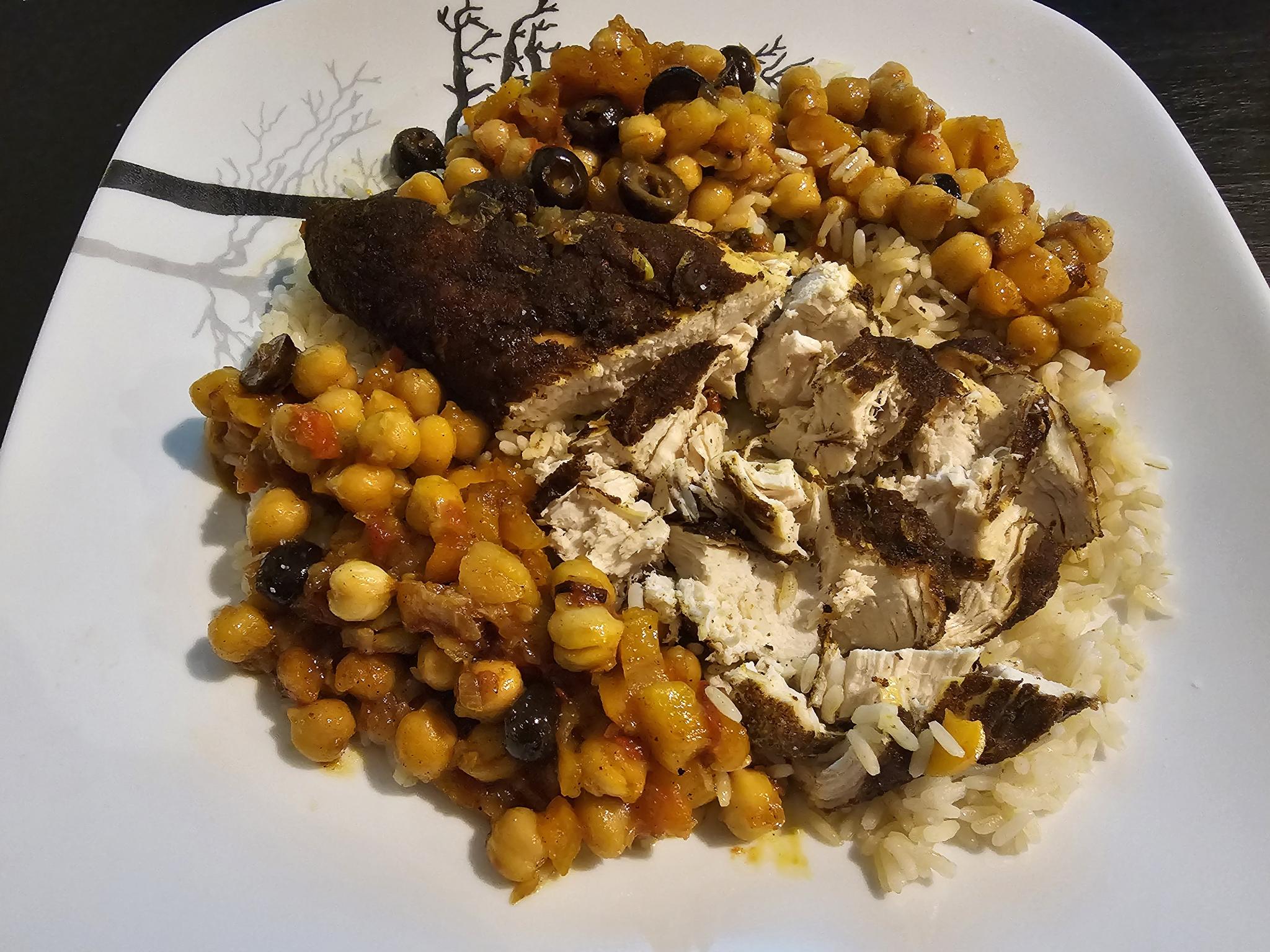
Moroccan Chicken Tagine Recipe
Ingredients
Equipment
Method
- In a small bowl, combine the cinnamon, cumin, coriander, paprika, turmeric, salt, and pepper. Rub the spice mix all over the chicken pieces and let them marinate for at least 30 minutes or overnight for deeper flavor. In a tagine or large heavy-bottomed pot, heat the olive oil over medium heat. Add the marinated chicken pieces and sear for 3-4 minutes on each side until browned. Remove and set aside.
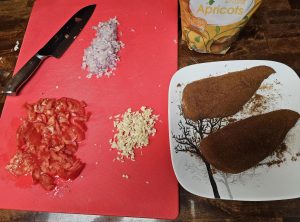
- In the same pot, add the chopped onion and garlic. Sauté until the onion is translucent, about 5 minutes. Stir in the diced tomatoes and cook for another 2 minutes. Return the chicken to the pot and pour in the chicken broth. Add the dried apricots and olives, mixing well.
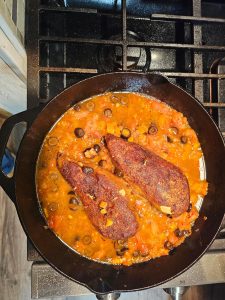
- Reduce the heat to low, cover, and simmer for 45-50 minutes, or until the chicken is tender and cooked through. Stir in the chickpeas during the last 10 minutes of cooking.
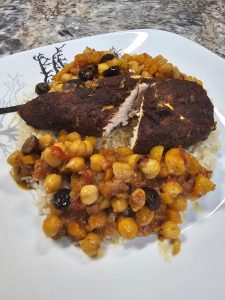
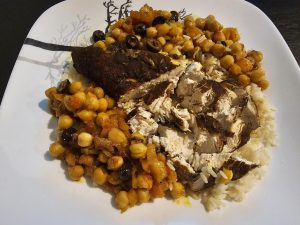
- Cut chicken into 15mm bites (the width across fork tongs) for serving. Garnish with fresh cilantro if desired and tolerated. Serve over couscous or rice for a complete meal.
SLP Notes
IDDSI Texture Modifications:- Puree 4 (PU4): Blend chicken and vegetables with the broth, blend rice with broth to smooth puree with correct flow per spoon and fork testing. Serve chicken over the rice.
- Minced & Moist 5 (MM5): Finely mince chicken and vegetables, thicken the broth with corn starch to gravy and mix with all ingredients to ensure moist, cohesive bites.
- Easy to Chew 7 (EC7): No changes necessary, this recipe is already easy to chew.
- Protein: Include more chickpeas, chicken or use high protein bone broth or blend in silken tofu to the sauce.
- Fats: Cut of chicken will be most impactful; breast if you are looking to decrease and thigh if you’re looking to fortify. Increase or reduce olives and oils.
- Carbs: Reduce or leave out the apricots, serve with riced cauliflower instead of couscous or use fewer chickpeas and fill your plate with leafy greens.
- Gluten-free: This recipe is gluten free when served with rice; you can enjoy as it is written.
- Dairy-free/Vegan: Omit chicken, use vegetable broth instead.
- Use a slow cooker or pressure cooker if standing time is limited.
- Buy pre-cooked chicken or shred rotisserie chicken and simmer it briefly with the sauce. Use canned diced tomatoes and canned chickpeas (already softened).
- Mix the spice blend in advance so it’s ready to dump in.
Achieving Deep Flavor
Marinating the chicken with spices ahead of time is key to infusing it with rich flavor. Letting the spices permeate the meat overnight can make a noticeable difference in taste.
Layering Ingredients
To ensure all components cook evenly and absorb the flavors, layer the chicken first, followed by vegetables and liquids. This technique allows the chicken to remain tender while soaking up the savory sauce.
Avoiding Overly Firm Textures
Ensure that all elements, such as chickpeas and dried apricots, are cooked until tender. If necessary, add a bit more broth during the cooking process to maintain moisture and prevent any dryness.
Why This Moroccan Chicken Tagine Works for Altered-Texture Diets
The blend of warm spices, sweet dried apricots, and salty olives creates a balance that is quintessentially Moroccan. Slow cooking the chicken allows it to absorb the rich flavors of the broth and spices, resulting in tender, aromatic meat. By modifying the dish for IDDSI levels, this recipe can be enjoyed by everyone, from a smooth puree to bite-sized, soft pieces, ensuring that the heart and soul of Moroccan cuisine is shared at every table.
Snacks are taken care of with these Soft and Bite Sized Spinach and Artichoke Stuffed Mushrooms. And chocolate lovers can’t get enough of the Soft & Bite Sized Dark Chocolate Hazelnut Torte.
Every recipe here is designed for texture sensitive eaters: from dysphagia to dental issues to picky eaters. Get recipe roundups and practical tips by joining the mailing list.
Leave a Reply