
Minced & Moist (IDDSI Level 5)

Soft foods that are finely chopped and held together with moisture so they don’t crumble or fall apart.
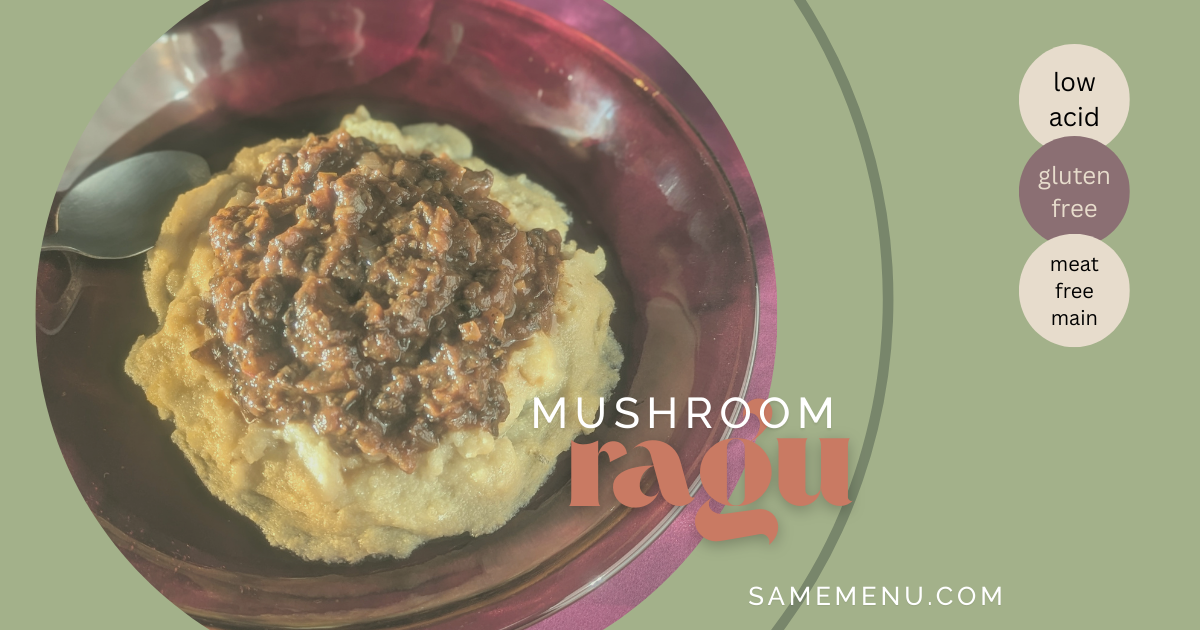
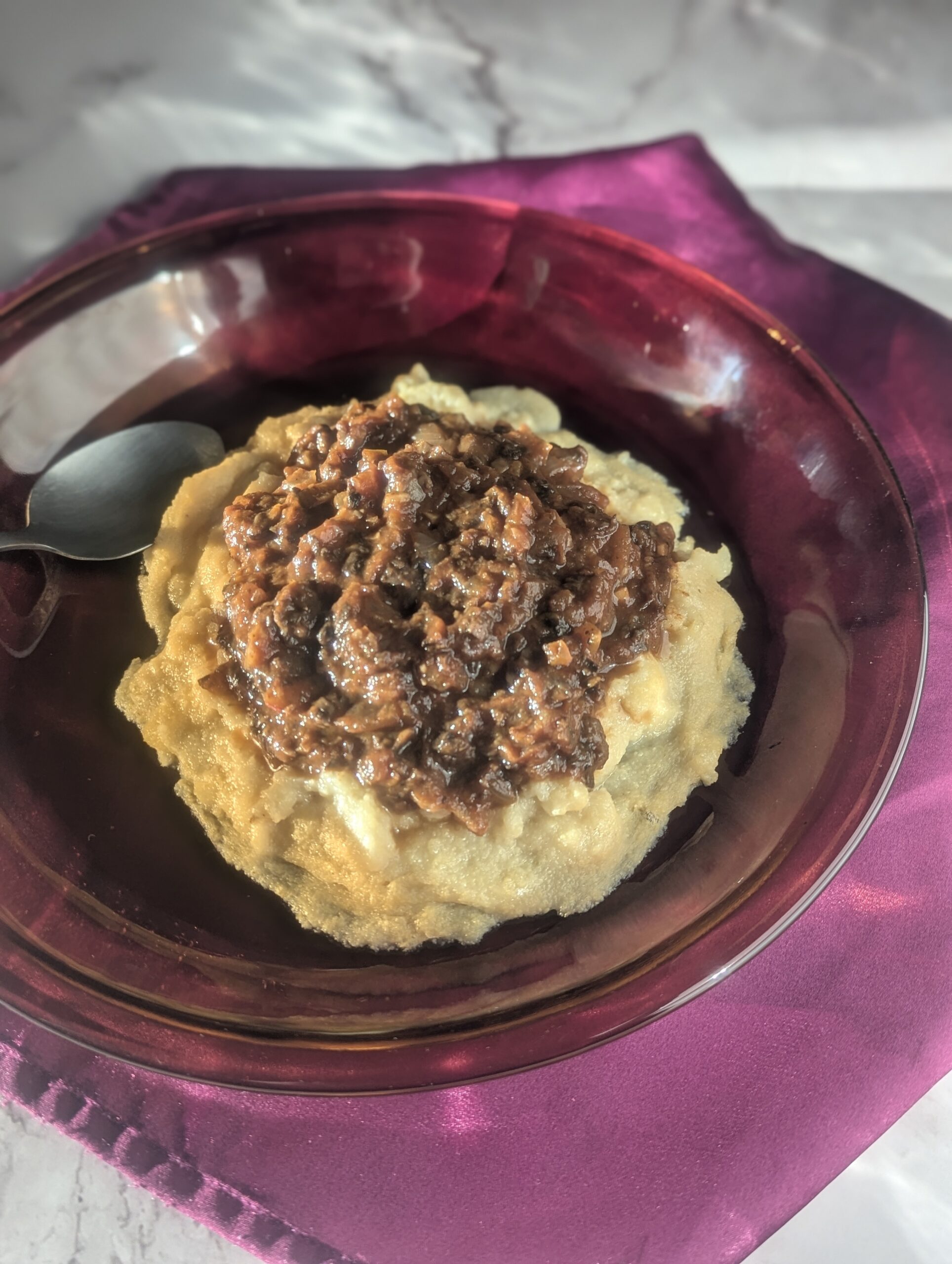
Mushroom ragù is one of those dishes that proves depth doesn’t require meat. When mushrooms are cooked slowly, they give up their water, concentrate their flavor, and take on a richness that feels savory and complete. The result is comforting and grounding without being heavy, the kind of sauce that makes a meal feel intentional rather than assembled.
What makes this minced & moist (IDDSI level 5) ragù especially useful is how well it behaves once it’s cooked. The texture is cohesive, the moisture is built in, and the flavors continue to deepen as it rests. That means it works just as well the next day, or the day after, without separating or drying out. It’s forgiving food, something you can rely on when timing, energy, or appetite are unpredictable.
This is also a sauce that plays well with others. Spoon it over polenta, fold it into pasta, pair it with grains, or use it as a soft, savory layer alongside vegetables or proteins. It doesn’t demand attention, but it quietly elevates everything around it. That kind of adaptability is what turns a recipe into a staple.
This recipe was developed as part of my Italian multi-course date night + meal prep recipe set for two.
Mushroom Ragu Recipe
Ingredients
Equipment
Method
- Heat olive oil in a wide, deep skillet or Dutch oven over medium heat. Add onion and cook until fully soft and translucent, 6–8 minutes. Do not brown.
- Add garlic and tomato paste. Cook 1–2 minutes, stirring constantly, until fragrant and brick red. Add the chopped mushrooms and stir to coat. Cook 3–4 minutes until they release liquid and begin to shrink.
- Pour in vegetable broth, Worcestershire sauce, and soy sauce. Add thyme, smoked paprika, and black pepper. Stir well. Reduce heat to low, cover, and simmer gently for 25–35 minutes, stirring occasionally. The mushrooms should fully collapse and the mixture should thicken into a cohesive ragù. Add additional broth if needed to keep the mixture loose and moist.
- Uncover and simmer 5 if you need more thickness. Stir in butter or cream if using. Taste and adjust salt. Be sure to test at time of eating as consistency changes with temperatures.
SLP Notes
IDDSI Texture Modifications: Puree 4 (PU4): Blend finished ragù until smooth; thin with splashes of warm broth as needed if too thick. Soft & Bite-sized 6 (SB6): You may include mushroom pieces up to 15mm in size, but keeping some at the minced texture to help give the sauce more body. Easy to Chew 7 (EC7): Enjoy this recipe as is or include larger pieces of mushroms as well, keeping some at the minced texture to help give the sauce body. Don’t know your IDDSI Level? Texture Finder here. Testing Method: Food should pass the fork pressure test (mashes easily with light pressure) and the spoon tilt test (holds together but slides off easily when tilted). Particle Size: Pieces must be ≤ 4 mm for adults (2 mm for children). All food should appear cohesive, not crumbly or sticky. Moisture Level: Add small amounts of sauce, broth, or dressing until the mix clings together without pooling liquid. Serving Tip: Keep the dish visually appealing by shaping or layering components while maintaining moisture. Retest texture if reheated or refrigerated.How do I…
Adjust the macros?
Protein: Stir in lentils, white beans or chickpea purees, crumbled tofu or Greek yogurt.
Fat: Stir in parmesan or pecorino cheese, or a nut butter for richness. To reduce fats, skip the butter.
Carbs: Serve this ragu over a vegetable mash, like cauliflower, zucchini, or cabbage instead of pasta.
Make it fit my eating style?
Gluten-Free: Use tamari instead of soy sauce and check worcestershire, serve with GF pasta, polenta or rice.
Dairy-Free/Vegan: Use balsamic and a splash of soy/tamari instead of worcestershire, use olive oil and can use nutritional yeast for extra savory taste.
Make it fit my spoons?
Use a food processor to finely chop mushrooms, onion, and garlic in one go.
Cook everything in one wide pot for minimal cleanup.
Make a double batch and freeze, it reheats very well.
Mushroom ragu also carries a sense of familiarity that makes it easy to return to. It tastes slow cooked and thoughtful without asking much from you once it’s done. That matters on weeks when you want food that feels nourishing but not fussy, something that can anchor a meal without becoming another decision to manage.
Over time, recipes like this earn trust. They reheat well, portion cleanly, and adapt to different plates and needs without losing their identity. Whether it’s used as a main component or a supporting layer, this ragu is the kind of quiet, reliable cooking that makes everyday meals feel more settled and sustainable.
Every recipe here is designed for texture sensitive eaters: from dysphagia to dental issues to picky eaters. Get recipe roundups and practical tips by joining the mailing list.
Looking for more recipes?
Keep it plant based with the beet salad with garlic crostini recipe, or try the Spanish paella with chorizo recipe for a minced and moist meal.
Leave a Reply