Easy to Chew (IDDSI Level EC7)

Regular foods that are naturally soft and easy to chew, without tough, dry, or hard components.
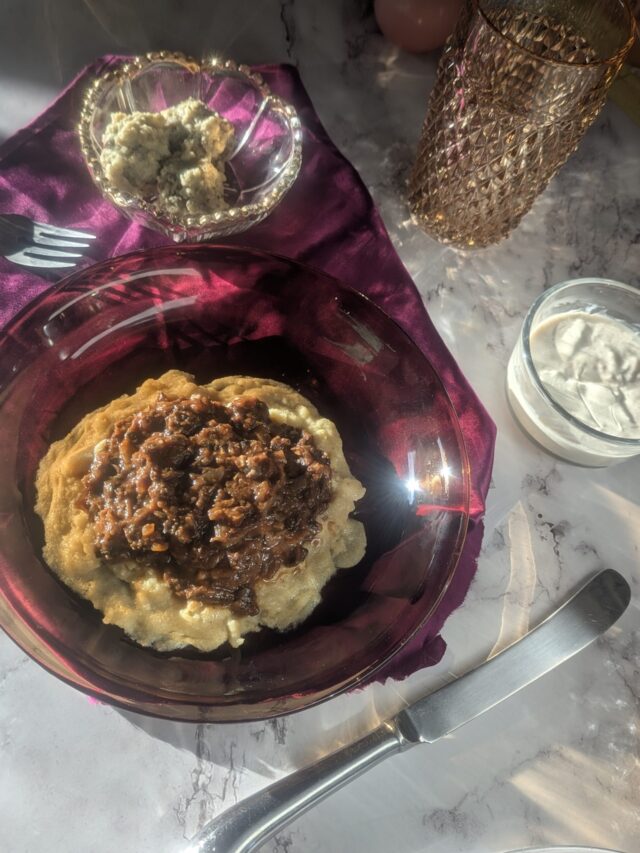
Soft Cheese and Herb Scones Built for Texture Control
I always grew up with sweet scones like cinnamon chip or orange glazed but when I headed south for school, I was introduced to the savory version and fell in love. Biscuits had always had more of a hold on me than pastries and my sandwich stop near campus served a chicken salad on a cheddar-speckled scone that had me in its grips. Most traditional scones are designed for a flaky structure. That works well in general baking, but it can create problems once its in the mouth. Dry crumbs scatter. Soft fluffy breads can quickly become sticky when they mix with saliva. This easy to chew version avoids any hard corners and can either be enjoyed alone or be a foundation for your favorite spread.
What Makes These Scones More Predictable
Two big decisions change how this dough behaves. First, a small portion of flour is pre-gelatinized before mixing. This increases the amount of liquid that stays in the bread and reduces the tendency to break into crumbs. The finished scone stays moist longer and breaks down more evenly when chewed. Second, herbs are infused into oil rather than chopped into the dough. Chopped leaves introduce tricky fibers and can create uneven breakdowns of a bite. Infused oil delivers flavor while improving cohesion.
How to Make a Soft Scone
Moisture is our main focus here, particularly keeping it even. It’s difficult to see what’s going on inside the scone while it’s baking, but we have some general ideas to follow. Even before getting to the oven, the amount of mixing of the dough affects how the glue(ten) of the bread forms. Combine the dry and the wet only until there are no more pools of liquid. To avoid cooking the outside too fast and leaving the center too dense or underbaked, I also started making this recipe at a lower temperature. Size of the scone will affect the cooking time; go for about 3/4 to 1 inch for the wedges. And finally, crowding the scones, rather than spreading them far apart, can help avoid too much crusting. You should still be able to see the pan between the pieces.
Soft Cheese and Herb Scones Recipe
Ingredients
Equipment
Method
- Preheat oven to 375°F (190°C). Line a baking sheet with parchment paper. In a large bowl, whisk flour, baking powder, and salt until evenly combined.
- In a separate bowl, whisk milk, egg, and oil until fully emulsified. Pour wet mixture into dry mixture. Stir gently with a spatula just until combined. Do not knead or overmix.
- Fold in finely grated cheese until evenly distributed. Adjust consistency if needed. Dough should be soft and slightly tacky but not runny. If too stiff, add 1–2 tablespoons milk.
- Lightly oil hands. Pat dough into a ¾–1 inch thick round directly on prepared baking sheet. Slice into 8 wedges before baking and separate slightly. Bake 14–17 minutes, until set and lightly golden. Avoid deep browning to prevent dryness. Cool 10 minutes before serving to allow structure to set.
- For IDDSI levels 4-6, the scones are to be crumbled and moistened fully, allowing to sit for 1-2 hours until fully pre-gelled. Depending on how you are enjoying the scones, you can use a prepared sauce, milk, or water to achieve this safer consistency.
SLP Notes
- Pureed (PU4): Blend the scone with a soft cheese, milk, infused oil or water to achieve a texture that bridges a fork tines but slides off a tilted spoon in one bite.
- Minced & Moist (MM5), and Soft and Bite-Sized (SB6): Crumble and moisten fully, allow to sit for 1-2 hours until fully pregelled.
Baked goods do not have to be eliminated when texture needs change. They simply require different kitchen decisions. By understanding how pre-gelatinized flour improves moisture retention and how infused oil controls flavor without adding fiber, you can build breads that are easier to manage and more adaptable across texture levels.
Related Recipes
Inspired by the viral cucumber salad, these sesame cucumber deviled eggs are another awesome easy to chew meal starter. Need inspiration for what to serve with your scones? The creamy zucchini and leek soup or the yogurt and dill bowl pair easily. Feeding cheese lovers? My chili cheese burritos are a hit with my easy to chew eaters.
Every recipe here is SLP designed for texture sensitive eaters: from dysphagia to dental issues to picky eaters. Get recipe roundups and practical tips by joining the mailing list.