
After wisdom teeth removal, eating can feel confusing and stressful. Your mouth is sore, chewing hurts, and the wrong foods can irritate stitches or increase the risk of dry socket. Most people aren’t looking for a “special diet,” they just want foods that are easy to eat, don’t require much chewing, and won’t slow healing.
This page focuses on what to eat after wisdom teeth removal, with soft, gentle foods that require minimal effort and reduce irritation while your mouth recovers.
General Rules Following Wisdom Tooth Removal
Immediately following the procedure, you may still be feeling the effects of anesthesia, which can sometimes feel like you’re having difficulty swallowing, or losing food from your mouth or drooling. This is just because your body doesn’t feel the same sensations of pressure that help us monitor and trigger actions. You may not want to eat until numbness has cleared (no biting your tongue/cheeks); stay hydrated with water, but no straws or nozzles, only from the side of cups/spoon. Protein is an important player in healing, so prioritize it in your food choices in the first week. Avoid alcohol, carbonated, acidic or hot beverages, as well as spicy or really chewy foods.
Why Soft Texture Matters After Wisdom Teeth Removal
After extractions, you’re dealing with a perfect storm of symptoms:
- Reduced jaw opening from swelling
- Tender gums
- Active healing around the socket
- Fatigue from guarding from mouth pain
- Increased sensitivity to temperature and pressure
Even people who normally eat a wide range of foods do better with intentional textures for a few days. Trying to chew too soon can irritate the surgical area, slow healing, or simply feel miserable.
The safest way to eat is to move through textures gradually; starting with smooth blends, then moving to soft, cohesive foods as comfort improves.
Choosing foods that are:
- soft without being sticky
- moist rather than crumbly
- easy to control in mouth
can make eating less uncomfortable and help you meet your energy needs while healing.
Stage 1 (Days 1-2): Purees and Smooth Foods
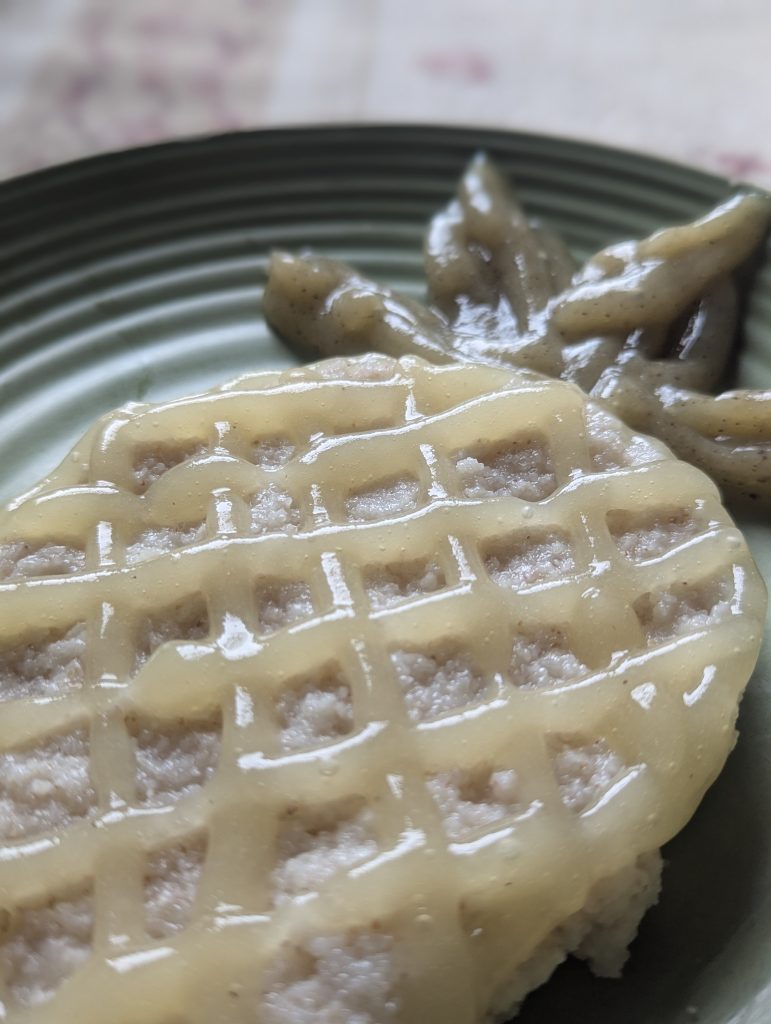
This is the period where you want zero chewing and no texture variation. Smooth foods reduce friction on the healing area and help you maintain energy even when you don’t feel like eating.
What to look for:
- No lumps, skins, grains, or seeds
- Warm or cool temperatures (avoid hot foods)
- Mild flavors that won’t sting
- Spoon-thick consistency
Good starting points:
- Smooth pureed soups
- Blended porridges (cream of wheat, oatmeal)
- Mashed (sweet) potatoes
- Pureed casseroles or blended entrees
Recipes to try:
- If cold feels good, this chocolate peanut butter banana nice cream recipe could soothe.
- For warmer bites, the butternut sage risotto recipe is a huge hit.
Continue to full Stage 1 Puree recipes page
Stage 2 (Days 2-4): Minced and Moist Foods
As swelling eases and jaw motion improves slightly, you can introduce soft, cohesive foods that require minimal chewing. These textures stay together in the mouth and don’t scatter, so they’re easier to control while you’re healing.
What to look for:
- Soft, finely chopped foods
- Moist, saucy blends that don’t crumble
- No biting with molars
- Still avoiding seeds, skins, or crunchy bits
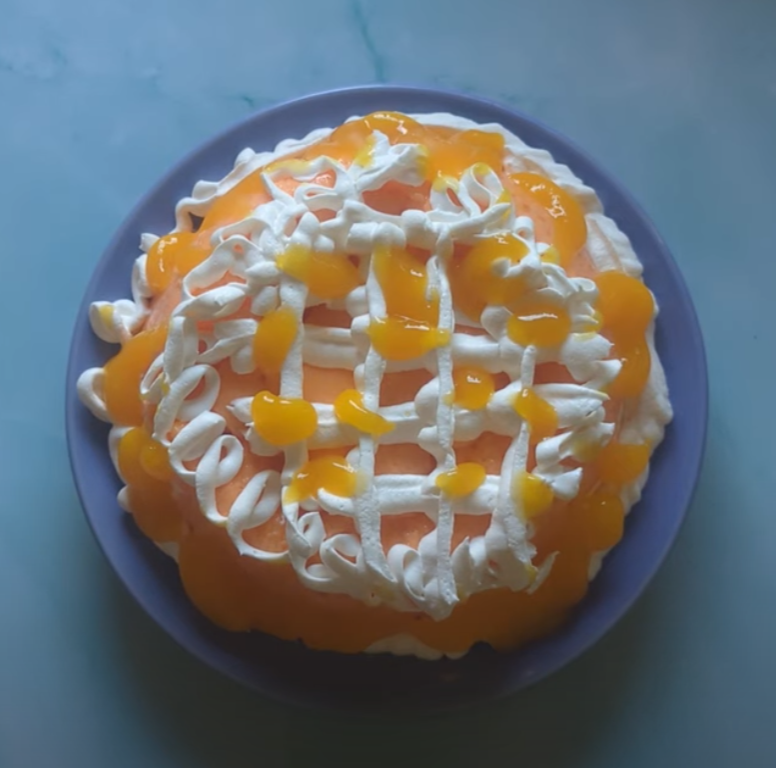
Good starting points:
- Soft egg scrambles
- Moist minced poultry or fish
- Minced casseroles
- Moist grains softened with broth
- Softened veggie patties
Ready to go recipes:
- My squash sausage casserole recipe is adaptable to your pantry while staying safe for your healing.
- The miso glazed eggplant recipe is a great plant based entree/side.
- Need an upgrade to your jello cups? This ambrosia salad recipe is no bake but big flavor.
Continue to full Stage 2 Minced & Moist recipes page
Stage 3 (Days 4-7): Soft & Bite-Sized Foods
This is where most people feel hungry again, but chewing still needs to stay low-effort. Soft & bite sized foods let you practice light pressure chewing without risking irritation.
What to look for:
- Cubes around 1.5 cm
- Soft throughout (no crusts, skins, or hard edges)
- Still no crunchy, spicy, or acidic foods
- Even pressure, avoid biting down on the extraction side if it’s still tender
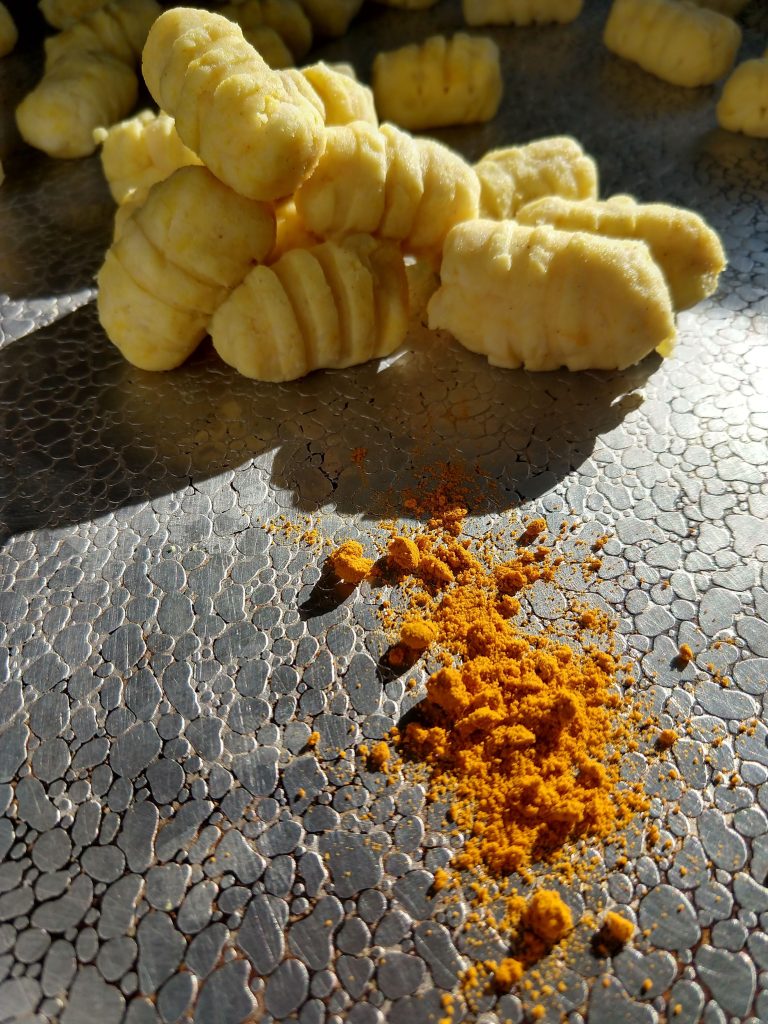
Good starting points:
- Soft casseroles
- Sautéed or steamed vegetables
- Soft poultry dishes without crisp edges
- Tender grains or softened pasta
Favorite Recipes:
- Great for meatless or add your favorite protein, this kale pesto pasta recipe is a great side or main!
- Eat like royalty with the full english egg bake with baked bean sauce recipe.
- For a busy day, you could make a slow cooker beef stroganoff recipe to keep meat tender.
Continue to Stage 3 Soft and Bite Sized recipes page
Stage 4 (Days 6-14): Easy to Chew
This is where recovery timelines tend to vary more. These recipes give you a clean, gentle progression that feels like real food. Head straight to my Easy to Chew recipe collection once your bite comes back, but still don’t want anything jabbing at your gums.
FAQs
How long should I stay on each stage?
Most people progress every 1–2 days, but comfort dictates the timeline. If chewing feels sharp, gritty, or sore, drop back to an earlier texture for another day.
Can I eat spicy or acidic foods right away?
Not recommended. Spices and acids can sting around the sockets and trigger swelling. Mild flavors are your friend early on.
Can food get stuck in the extraction area?
Yes. Along with good gentle cleanings following your dentist’s instructions, foods that crumble or are super thick can get stuck. The testing listed at the end of each recipe helps you be confident your bites are going to stay together and head down toward your stomach, instead of to your incision.
When can I return to crunchy foods?
Typically after one or two weeks, though some people take longer depending on tenderness and healing.
This isn’t Just for Wisdom Teeth
The strategies used after wisdom teeth removal are the same ones used for temporary chewing or swallowing difficulty — even when the issue isn’t medical or long-term.
That’s the idea behind SameMenu: adjusting texture and preparation so eating stays enjoyable and nourishing, whether challenges last a few days or much longer.
If you find these foods helpful now, they’re the same kinds of meals many people rely on during other recovery periods, as well as even developmentally, like for child led weaning.
If you’re looking for meals that fit these guidelines, explore:
- soft, easy-to-chew recipes
- blended or spoon-soft meals that don’t feel clinical
- foods designed to stay moist and easy to manage
These recipes follow the same principles used for post-procedure eating, without requiring specialized knowledge.
Recovery looks different for everyone. If something feels painful, difficult to control, or exhausting to eat, that’s useful information, not failure. Adjusting texture, temperature, and portion size can make a meaningful difference while your mouth heals.
Eating should support recovery, not fight it.
Every recipe here is designed for texture sensitive eaters; from dysphagia to dental issues to picky eaters. Get recipe roundups and practical tips by joining the mailing list