There are times when eating just feels harder than it used to. Chewing takes more work. Meals feel tiring. Foods that once felt easy now feel dry, stubborn, or uncomfortable. For many people, this shift happens gradually, and if that sounds familiar, you’re not alone. And you don’t need a diagnosis or a special “diet” to start making meals feel easier. Small changes to food texture and structure can make a big difference in how manageable eating feels, without changing what you eat or making meals feel medical.
What “less effort” really means when eating
When people say eating feels hard, they’re often noticing one (or more) of these experiences:
- Chewing feels tiring or slow
- Foods feel dry or hard to move around the mouth
- Meals take longer than expected
- Certain bites feel unpredictable
- You get worn out before finishing a meal
These experiences aren’t about willpower or trying harder. They’re often about how much work a food requires to chew, gather, and move, regardless of flavor or nutrition. That’s where texture comes in.
Texture matters more than the food itself
Two foods with the same ingredients can feel completely different to eat depending on how they’re prepared.
Foods that tend to take less effort usually share a few traits:
- Soft rather than firm or crusty
- Moist rather than dry or crumbly
- They hold together rather than scattering
- Uniform rather than mixed textures
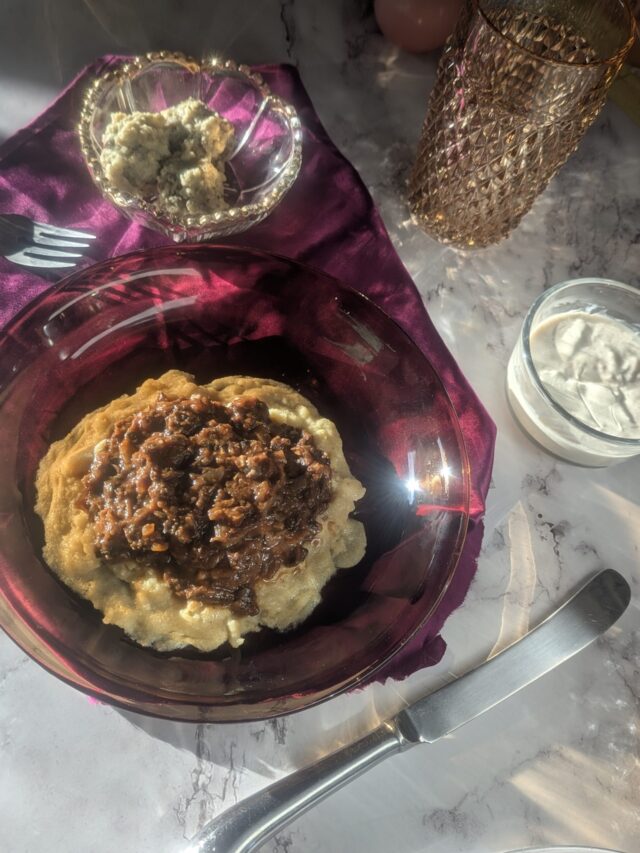
This is why something like a soft, saucy bowl can feel easier than a sandwich, even if the ingredients are similar. You don’t have to change what you eat to change how hard eating feels.
Practical ways to make meals feel easier
If eating has started to feel like work, try starting here:
- Use wet heat cooking methods like steaming, braising and pressure cooking
- Add sauce, gravy, broth, or dressing to foods that feel dry
- Choose soft bases (rice, pasta, mashed vegetables) instead of crusty ones
- Skip raw or crunchy toppings; you can always include the flavors of the ingredients, we just need to get creative with how to include them
- Cut foods into smaller, manageable pieces
These changes aren’t about restriction, but reducing effort.
When eating out or ordering food
Eating away from home adds another layer of challenge. You can’t control preparation the same way, and meals often need to be chosen quickly.
In those situations, it helps to look for foods that are:
- Already soft or naturally moist
- Served with sauce or gravy
- Easy to modify (extra sauce, no raw toppings, softer sides)
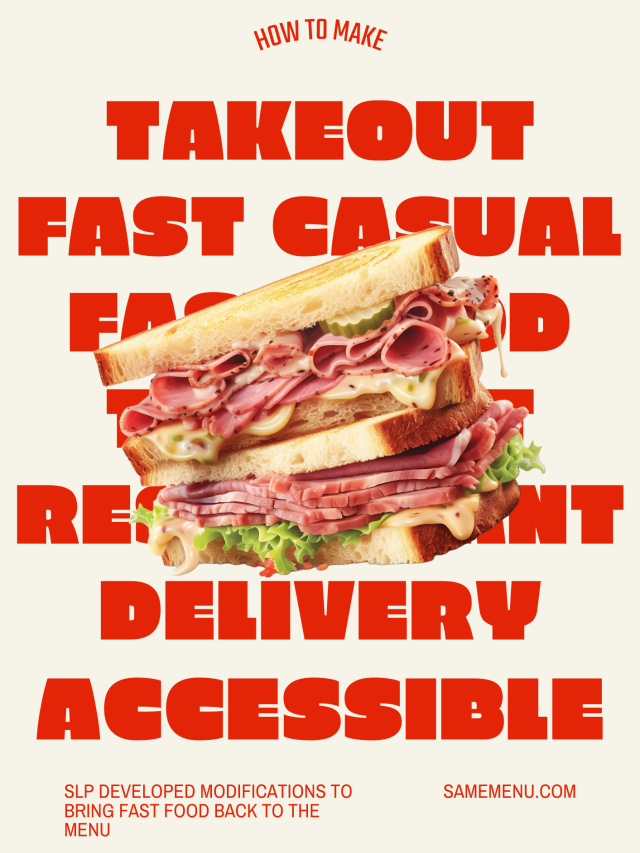
I’ve put together a full guide to dysphagia-friendly fast food options, with real examples of what people often find easier to manage when eating out.
If this is becoming a longer-term need
For some people, difficulty eating is temporary, caused by wisdom teeth discomfort, dental procedures or bariatric surgeries. For others, it becomes more consistent over time. When this happens, a referral to a speech-language pathologist, the subject expert on swallowing, is recommended.
When texture changes are needed regularly, these clinicians will test and then use a structured framework, called IDDSI, to describe and standardize the safest food texture(s) for you. You may hear terms like pureed, minced and moist, or soft & bite-sized, especially in healthcare settings. If you’re ready to explore that structure, you can learn more here with my review of the IDDSI framework.
Start small, stay familiar
The goal here is to make eating feel easier, calmer, and more predictable, one meal at a time. You don’t have to change your entire grocery list to start making a difference. If, however, you are looking for some inspiration, I create recipes that have easier eating at the forefront of their design. These offer options that can be incorporated effortlessly into your regular rotation for the whole family, to keep meals a place where you not only nourish your body, but your connections.
Looking for more?
Every recipe here is SLP designed for texture sensitive eaters: from dysphagia to dental issues to picky eaters. Get recipe roundups and practical tips by joining the mailing list.