
Category: Education
-

How to Test IDDSI Food Levels for Children
If your child has been recommended an IDDSI food level, knowing the name of that level is only the beginning. You may have been told your child needs Level 4 Pureed, Level 5 Minced & Moist, Level 6 Soft & Bite-Sized, or Level 7 Easy to Chew foods, but how do you know whether the…
-

Dysphagia on Social Media
Dealing with changes in eating and drinking can feel very isolating. Few people know that it’s even possible for swallowing to go wrong until its touching their lives personally. But social media is changing that for people experiencing dysphagia today. While dysphagia is a large umbrella term for many different kinds and severities of symptoms,…
-
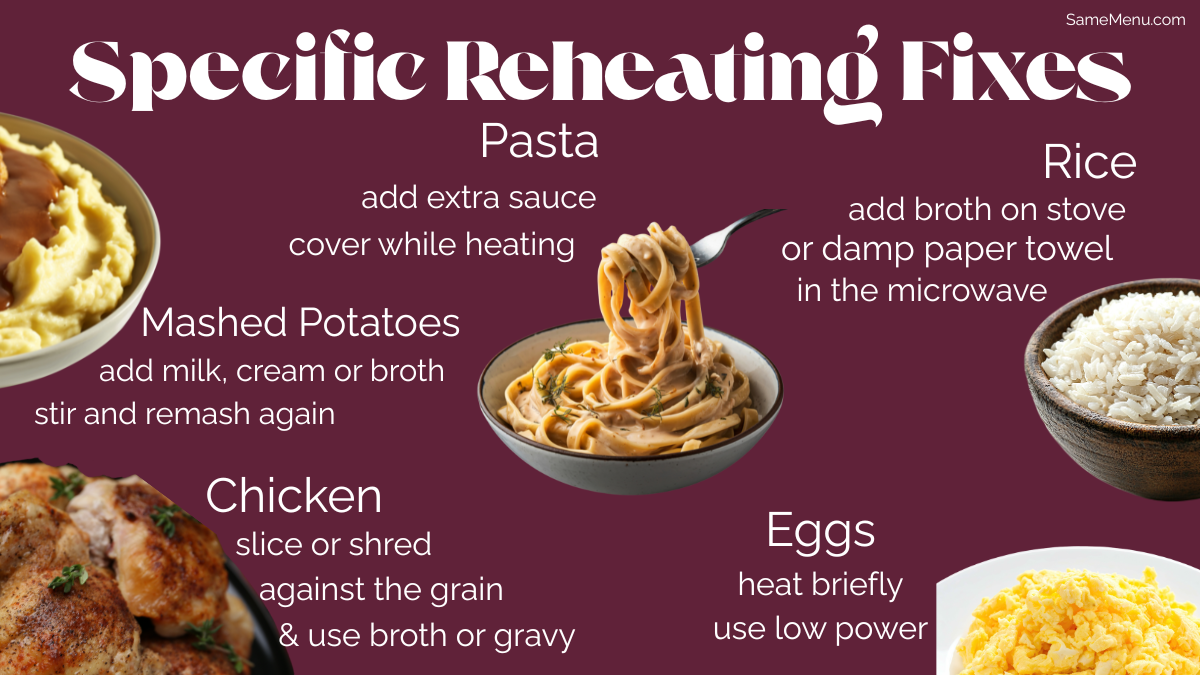
Reheating Dysphagia Meals
When you’re modifying your meals, it makes a lot of sense to make larger portions, to save yourself some time, effort and dishes. But there can still be a bit of a trade off. Reheated foods often become drier or less cohesive. That could turn a meal that was safe yesterday into something harder to…
-
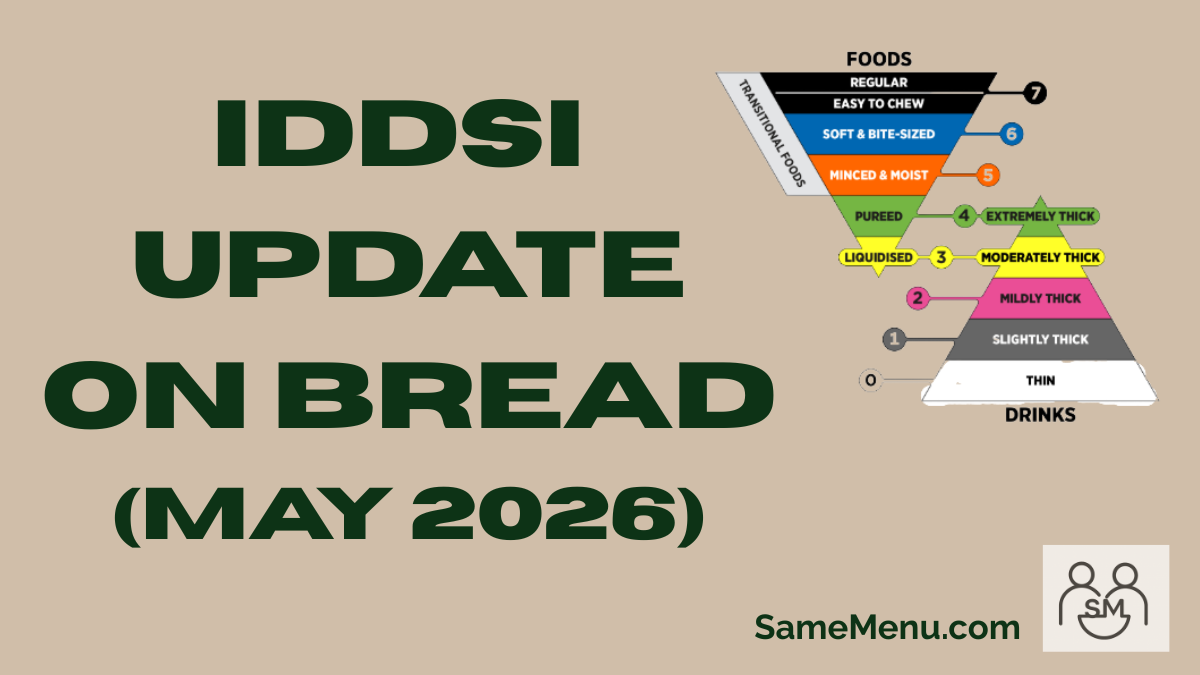
Can Bread Be Used on IDDSI Diets? (What’s Changing With Pregelled Bread, May 2026)
What’s Changing With Bread in IDDSI The International Dysphagia Diet Standardization Initiative (IDDSI) has announced that there are incoming updates to its documents, expected throughout 2026. These updates are based on feedback from the global IDDSI community on user experiences, as well as clinician insights. With the goal of keeping guidance clear and evidence-based, IDDSI…
-
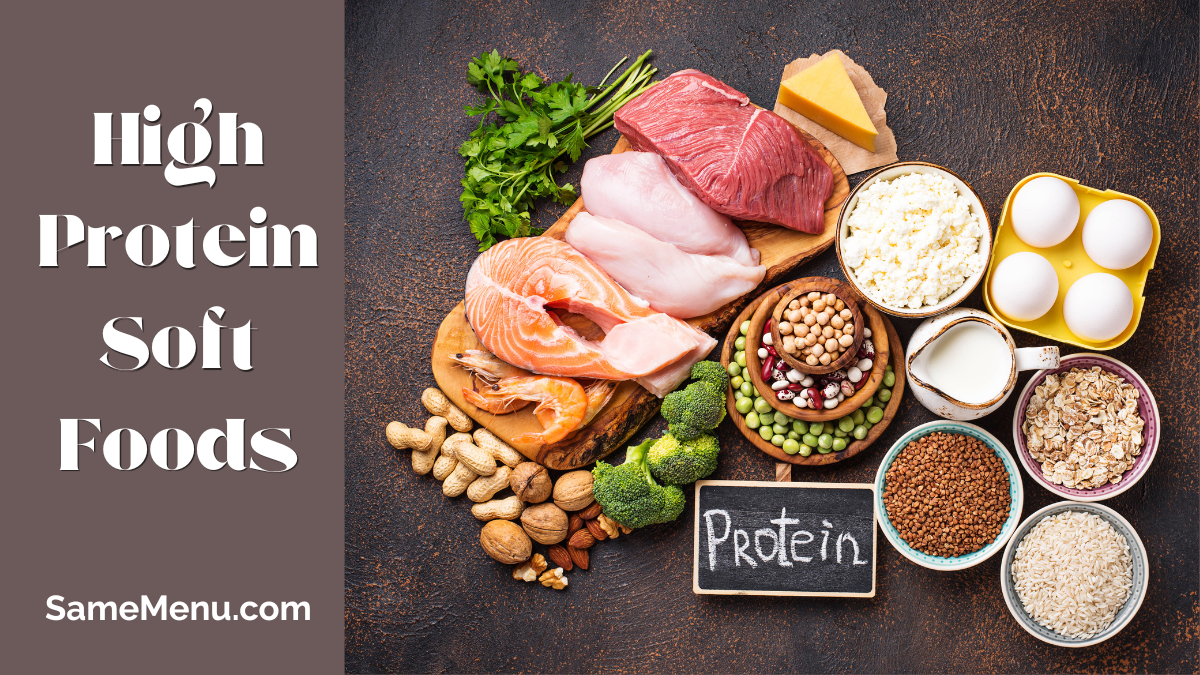
High Protein Soft Foods for Dysphagia
Getting enough protein on a dysphagia diet can be just as challenging as maintaining calories. Meals need to be softer, which can reduce overall protein content without even realizing it. I wrote this guide to focus on building high protein, texture-modified meals using a simple layering system. You’ll learn how to add protein to foods…
-

High-Calorie Easy to Eat Meals
Maintaining weight on a dysphagia diet can be difficult, especially when meals become smaller or more repetitive. This guide focuses on building high-calorie, texture-modified meals using a simple, repeatable calorie layering system. Instead of relying on individual recipes, you’ll learn how to take foods already in your routine and fortify them for more calories while…
-
Easy to Eat Costco Foods for Dysphagia (IDDSI-Friendly Staples)
Last updated March 2026 Costco can be a great place to stock up on ingredients for safe swallowing meals, but not every product fits neatly into a dysphagia diet. This guide breaks down practical options across IDDSI levels, along with simple adjustments to make them safer and easier to eat. How to Use this List…
-

What is the Frazier Free Water Protocol (And Who is it for?)
Many people with dysphagia are told to drink thickened liquids to help reduce aspiration risk. The Frazier Free Water Protocol offers a different approach by allowing carefully managed access to thin water under specific conditions. For many, it can improve hydration and quality of life. What Is the Frazier Free Water Protocol? The Frazier Free…
-

Understanding Thickened Liquids for Dysphagia
When someone is having difficulties with swallowing drinks safely, thickened liquids are one of the most common recommendations. And it makes sense when you understand the level of timing coordination that your body needs to close off the airway. If you spill a cup of water, the liquid spreads very quickly across the surface. If…
-

Eating with Dentures: Why Food Feels Harder and What Helps
Eating with dentures can feel very different than expected. Foods that once felt easy may now seem harder to manage, take more effort, or feel unpredictable in the mouth. This can be frustrating, especially if the dentures are adding to the amount of teeth you have to bite and chew; shouldn’t that make it easier??…