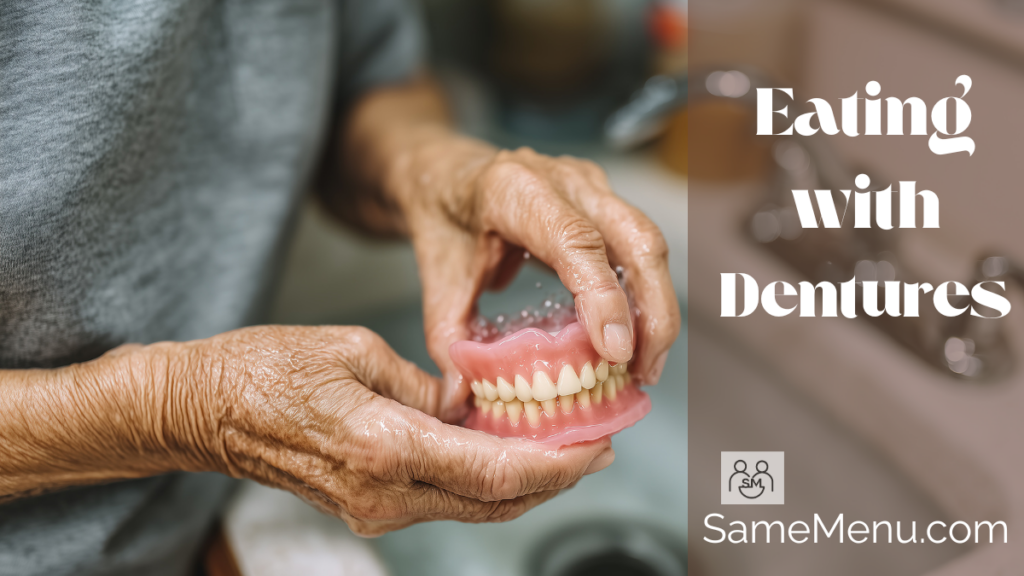
Eating with dentures can feel very different than expected. Foods that once felt easy may now seem harder to manage, take more effort, or feel unpredictable in the mouth. This can be frustrating, especially if the dentures are adding to the amount of teeth you have to bite and chew; shouldn’t that make it easier??
Let’s talk about the true changes that come with partial and full dentures, as well as strategies to meet you where you are with your meals.
What happens when you eat with dentures?
Eating with dentures feels harder because bite force, sensory feedback, and food control change, and that’s even when the dentures fit well. The swallow itself may be intact, but chewing efficiency and control of the bite are different.
Why dentures change how eating feels
Dentures affect eating in a few key ways:
- Reduced bite force- Dentures don’t transfer pressure the same way natural teeth do. Just like roots in soil, the strength to push against the food surface is related to how stable the teeth are. This can make chewing less efficient and increase fatigue.
- Less sensory feedback- Natural teeth and gums provide constant feedback about texture, temperature, and position. Dentures plates reduce area exposed to that sensation, which can make food feel less controlled.
- Food movement changes- Food may shift, slip, or spread differently across the boundaries of the dentures, potentially leaving residue behind that can be more difficult to clear on the fly.
None of this automatically means swallowing is unsafe. It means the mechanics of eating have changed.
How denture fit affects eating (even when they “fit well”)
Small changes in fit can make certain foods much harder to manage. These changes don’t always cause pain, but they do change how securely food can be controlled.
Practical eating tips that help regardless of fit:
- Apply denture adhesive before meals, not after movement starts
- Chew evenly on both sides to reduce rocking
- Take breaks to reseat dentures if needed
If eating improves temporarily with adhesive or repositioning, that’s a clue the issue is mechanical, and not your swallowing.
When dentures make swallowing feel harder
For some people, changes in chewing and control can spill over into swallowing:
- Larger or uneven pieces may reach the throat
- Food may take longer to prepare for a swallow
- Mixed textures (food and liquid together) can feel unpredictable
- Fatigue can affect coordination later in the meal
This can feel like a swallowing problem, even when the swallow itself is intact.
Big, Bad, Bread?
Bread is often challenging with dentures because it changes texture as it mixes with saliva. Soft bread can become sticky and pasty, while crusts can be tough and may scatter.
With dentures:
- Tearing off sandwich bites requires bite force and stability
- Dry bread absorbs saliva quickly and forms a dense mass
- Sticky bread can pull against the denture plate
- Breads can leave residues that can be choking risks later
But this doesn’t mean that all breads are off the menu. Instead, the method of pregelling bread can keep the same ingredients in your loved recipes. Pregelled bread is designed to stay moist and cohesive rather than becoming sticky or crumbly.
How food behaves differently with dentures
Some foods cause trouble with dentures not because they’re hard, but because of how they interact with the denture surface.
Common denture-specific issues:
- Suction foods (peanut butter, sticky bread) pull against the plate
- Fragmenting foods scatter instead of forming a bolus
- Elastic foods stretch rather than tear and break down
- Temperature changes alter texture mid-meal
This is why foods that seem “soft” can still feel exhausting or unpredictable.
Food qualities that work better with dentures
Rather than focusing on specific foods, it helps to think in terms of food properties.
Many people eating with dentures do better with foods that are:
- Moist (not dry or crumbly)
- Cohesive (stay together when chewed)
- Soft but not sticky
- More even in texture
- Easy to reheat without drying out
Foods that fracture, scatter, or require a lot of bite force often cause the most trouble.
Common food challenges with dentures
Some foods are frequently reported as difficult, even when they seem “soft”:
- Dry meats, can happen with reheating leftovers
- Bread with sharp crusts or sticky, gummy soft
- Mixed textures (soups with chunks, cereal in milk, really juicy fruits)
- Foods that require sustained chewing- chewy meats, fibrous vegetables
How to adjust meals without giving up variety
Small adjustments often help more than complete diet changes:
- Add sauces, gravies, or moisture (minced and moist recipes all have sauces built in)
- Choose cooking methods that soften food evenly, often using wet heat to avoid searing crusts
- Cut food into manageable pieces before fatigue sets in (soft and bite sized recipes fit well)
- Pause during meals to allow for fully clearing the mouth
- Favor foods that stay consistent from first bite to swallow. Temperature is the biggest factor in changing textures.
These strategies support comfort, control, and confidence while eating.
Using recipes as tools
Recipes on Same Menu aren’t meant to be “special foods”. They’re meals designed to make eating easier when texture, effort, or control are limiting factors.
For people eating with dentures, recipes that emphasize:
- moisture retention
- cohesive textures
- gentle chewing demands
tend to be the most helpful.
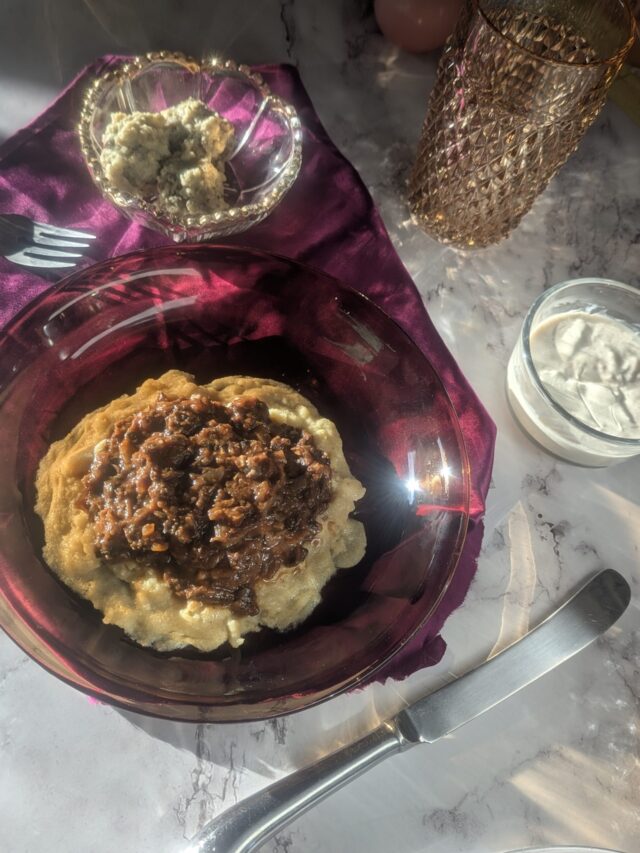
As a speech-language pathologist working with adults with dysphagia and denture-related eating challenge, a few favorites with my clients over the years have been the pimento cheeseburger fried rice, full english egg bake, my tropical ambrosia salad, or this Italian-inspired dinner for two.
When to look a little closer
If eating with dentures also includes:
- frequent coughing or choking
- unexpected weight loss
- fatigue that limits meals
- difficulty across many textures
it may be worth discussing with a speech-language pathologist or other care provider. Sometimes chewing challenges overlap with swallowing changes, and getting more information can help guide next steps.
Frequently asked questions about eating with dentures
Why does soft bread feel harder to swallow with dentures?
Soft bread can become sticky and form a dense mass when mixed with saliva, making it harder to control.
Does difficulty chewing with dentures mean I have dysphagia?
Not necessarily. Dentures change chewing mechanics. Swallowing may still be intact.
Can dentures increase choking risk?
If food is not broken down evenly or fatigue sets in, choking risk can increase, especially with mixed or sticky textures.
Eating with dentures often feels harder because the mechanics of chewing and control have changed, not because swallowing is automatically unsafe.
Focusing on texture, moisture, and effort, rather than restriction, helps many people eat more comfortably and confidently. With the right food choices and small adjustments, meals can still feel satisfying and manageable.
Still Hungry for More?
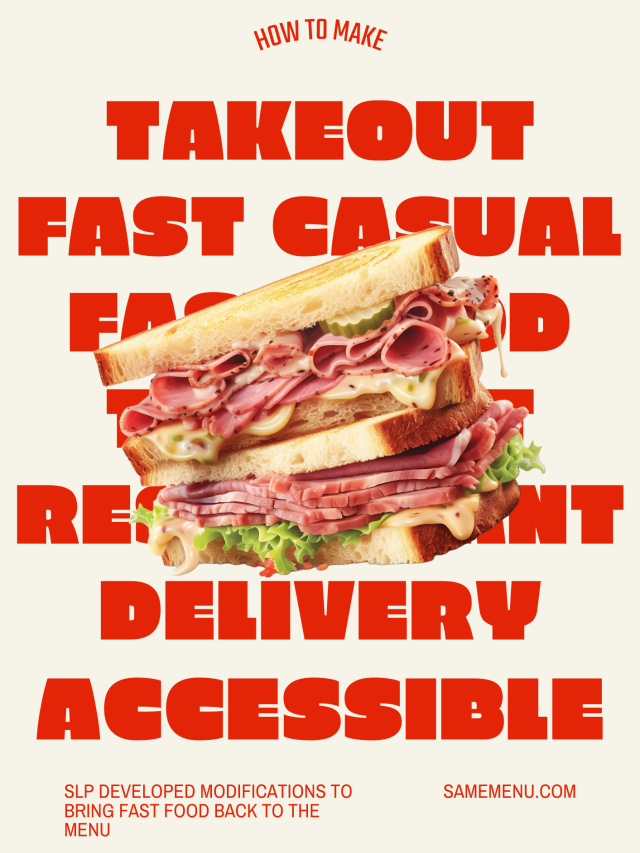
Keep learning about easier to chew eating with this post about why some soft foods are still difficult, or learn more about the different texture levels. Trying to eat on the go? I made a round up of soft fast foods and how to make them fit your needs.