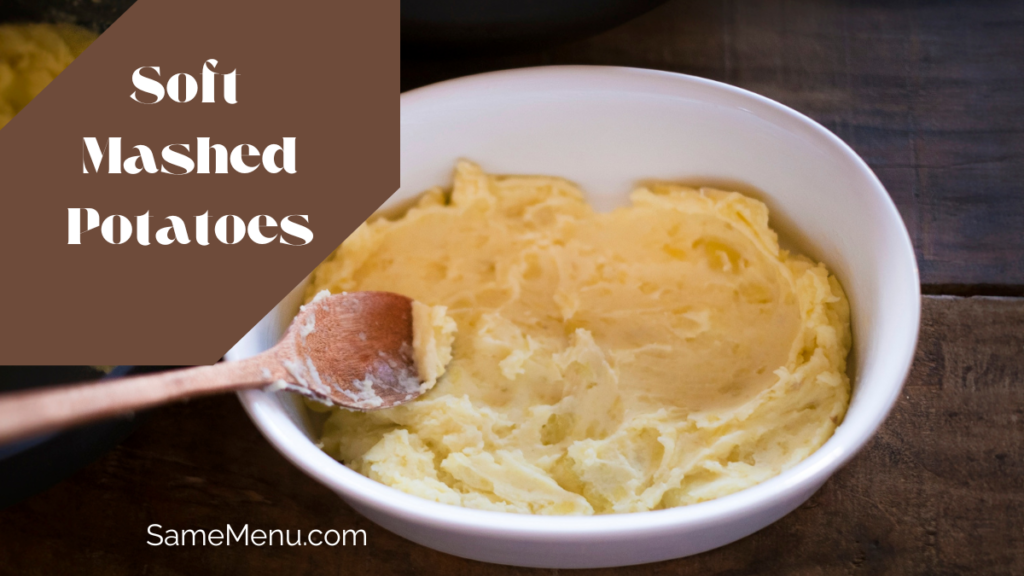
Mashed potatoes are one of the most reliable comfort foods for people who need softer textures. Mashed potatoes can be paired with soft proteins, sauces, or blended vegetables to create a complete meal that stays cohesive and easy to eat. But there can be some serious variety in the results. While known as one of the most commonly used purees, they can be adjusted across multiple IDDSI levels, but the final texture depends on how they are cooked, processed and how much moisture is added. The goal is a smooth, cohesive mash that stays together on a spoon and feels comfortable in the mouth.
This method focuses on building a creamy base that can be adapted for different swallowing needs without losing flavor. It works well as a soft food option and can be adjusted to meet whatever nutritional needs or flavor profile is on the menu.
What makes mashed potatoes easier to swallow
The final texture of mashed potatoes comes down to moisture, starch handling, and mixing technique.
- Cook until fully tender: Your potatoes should break apart easily when pressed. Any firmness will carry through into the final texture in the form of lumps.
- Add enough warm liquid: Milk, cream, or broth keeps the mash smooth and helps it stay together.
- Use fat for structure: Butter or oil gives the potatoes a richer mouthfeel and prevents a dry finish.
- Mash gently: Overmixing can create a gluey texture. Gentle mashing keeps the potatoes smooth without becoming sticky.
Best Potatoes for Mashing
It took a long time for me to start seeing the difference between the different types of potatoes, but now I can’t unsee them. Let’s break down the most popular options and the benefits and tradeoffs they provide.
Yukon gold: these are naturally creamy, thin skins and easiest to get smooth.
Russet: the interior texture is especially light when cooked, but can lose moisture quickly
Red potatoes: more waxy texture, which lends toward lumps more readily, so they are a great option in levels 5+.
Sweet potatoes: can be a good option for softer textures because they mash easily and tend to stay moist. (also adds fiber!)
Make this Recipe for Your IDDSI Level
As written, this recipes is at IDDSI Level 4 Pureed. This recipe can also be adapted for Level 3 Liquidized, Level 5 Minced and Moist, Level 6 Soft and Bite Sized, and Level 7 Easy to Chew. See the adaptation instructions below or if you are printing the recipe, they will be included in the notes section.
Level 3 Liquidized (Smooth enough to drink or pour; no chewing): Prepare the recipe as directed, then slowly add liquid (I’d recommend either milk or broth) until the texture fits level 3, testing with the IDDSI flow test.
Level 5 Minced and Moist (Soft pieces that fit between fork prongs in a puree; minimal chewing): Prepare the recipe as directed, but you can stop short of removing all lumps, as long as testing finds that all of the lumps are smaller than 4mm and break with very light pressure (doesn’t even blanche your thumbnail).
Level 6 Soft and Bite Sized (Tender pieces smaller than the width of fork prongs): When dicing the potatoes before boiling, go ahead and measure the pieces with the width of the fork so that if you want to keep some lumps to the potatoes, you already know they are going to fit the particle size.
Level 7 Easy to Chew (Foods that are soft and easily bite into pieces): Since this diet doesn’t need a specific size of particle due to eaters being able to bite off pieces, you can simply eyeball the texture of the mashed potatoes to a smoothness you enjoy.
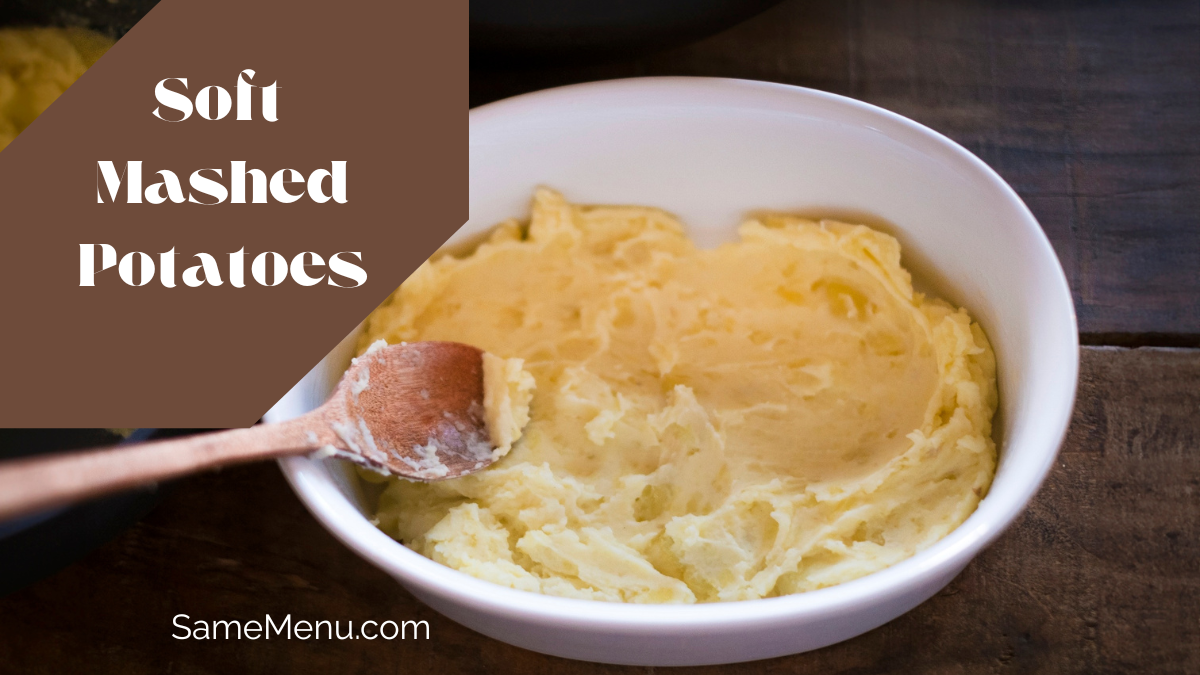
Easy to Eat Mashed Potatoes
Ingredients
Equipment
Method
- Place the peeled and chopped potatoes in a pot and cover with water. Add a pinch of salt.
- Bring to a gentle boil and cook until the potatoes are very tender. A fork should slide through easily with no resistance.
- Drain the potatoes well and return them to the warm pot for a minute to remove excess moisture.
- Add butter and allow it to melt into the potatoes.
- Begin mashing with a fork or potato masher until mostly smooth.
- Add warm milk or broth a little at a time, continuing to mash until the potatoes reach a soft, creamy consistency.
- Taste and adjust with additional liquid or fat as needed. Serve warm.
SLP Notes
- Liquidized 3 (LQ3): Prepare the recipe as directed, then slowly add liquid (I’d recommend either milk or broth) until the texture fits level 3, testing with the IDDSI flow test.
- Minced & Moist 5 (MM5): You may leave more unmashed potatoes in the mash if you want, but make sure you mince the pieces to 4mm to pass the particle size test.
- Soft and Bite Sized 6 (SB6): You may leave more unmashed potatoes in the mash if desired, just be sure to cut down to <15mm pieces when dicing so you know any lumps that you leave will still fit the IDDSI particle size test.
- Easy to Chew 7 (EC7): As long as it passes the fork pressure testing, you don’t have to measure out particle sizes to meet this level.
Flavor variations that stay smooth
Garlic mashed potatoes
Add peeled roasted or steamed garlic and mash until fully incorporated.
Creamy potatoes
Stir in a small amount of spreadable cheese or Greek yogurt for added protein and creaminess.
Broth-based potatoes
Use chicken or vegetable broth instead of milk for a lighter, savory version.
Herb potatoes
Mix in oils made from herbs such as chives or parsley.
Root/sweet potato mash
You can rotate in portions of other root vegetables into your mash, just follow the same steps to achieve a safe and soft result.
Common texture problems
Looking to adjust your own mashed potato recipe? Here are the issues that my clients bring up most when trouble shooting their own cooking.
Dry mashed potatoes
Add warm liquid 1 tablespoon at a time, mixing gently until smooth. You can also stir in a small amount of fat (butter, oil, or yogurt) to improve texture.
Lumpy texture
The potatoes may not have been cooked long enough. Continue mashing or blend for a smoother result. Certain types of potatoes, like red, are more prone to lumps.
Gluey consistency
Overmixing or using a high-speed mixer can cause the starch to become sticky. Mash gently and avoid overworking.
Too Thin
Be sure to drain well after boiling is finished; its easier to add more liquid than take out. You can add thick dairy, a cornstarch slurry, heat on low to evaporate or let the potatoes cool, as it will thicken at lower temperatures.
Make Ahead and Storage
You don’t have to boil water every time you’re looking for a mashed potato. You can batch cook mashed potatoes and bring them back to texture quickly.
- Store covered in the fridge for up to 3 days
- Reheat them with added liquid, especially if reheating with a microwave
- Stir well to return to a smooth texture
Related Recipes
Scrambled eggs are another soft eating staple that I have broken down under an easier chewing and swallowing lens. Need inspiration for more pureed side dishes? Check out this baba ghanoush recipe. If you want to finish off your meal, these apple and carrot tzimmes are a fresh sweet.
Every recipe here is SLP designed for texture sensitive eaters: from dysphagia to dental issues to picky eaters. Get recipe roundups and practical tips by joining the mailing list.