Author: Amy Listermann, MS, CCC-SLP
-

Apple and Carrot Tzimmes
Pureed (IDDSI Level 4) Completely smooth foods/extremely thick liquids with no lumps that hold their shape on a spoon and don’t require chewing. Tzimmes is a dish that has been simmered, swapped, and sweetened in countless kitchens across Eastern Europe for centuries. Though its name comes from Yiddish roots, its heart belongs to the larger…
-
Keeping Familiar Textures New
When texture modification becomes part of daily life, it’s natural to find comfort in what feels safe. That first food that “works”, the one that doesn’t trigger coughing, panic, or discomfort, often becomes a lifeline. And while that reliability is important, it can quietly narrow someone’s food world over time. Meals begin to blend together.…
-
Stuffed Zucchini Boats
Easy to Chew (IDDSI Level EC7) Regular foods that are naturally soft and easy to chew, without tough, dry, or hard components. Traditional stuffed zucchini can be a little fussy: hollowing out each half, precooking the filling, trying not to overbake the shells. This casserole style version skips the precision work while keeping the same…
-
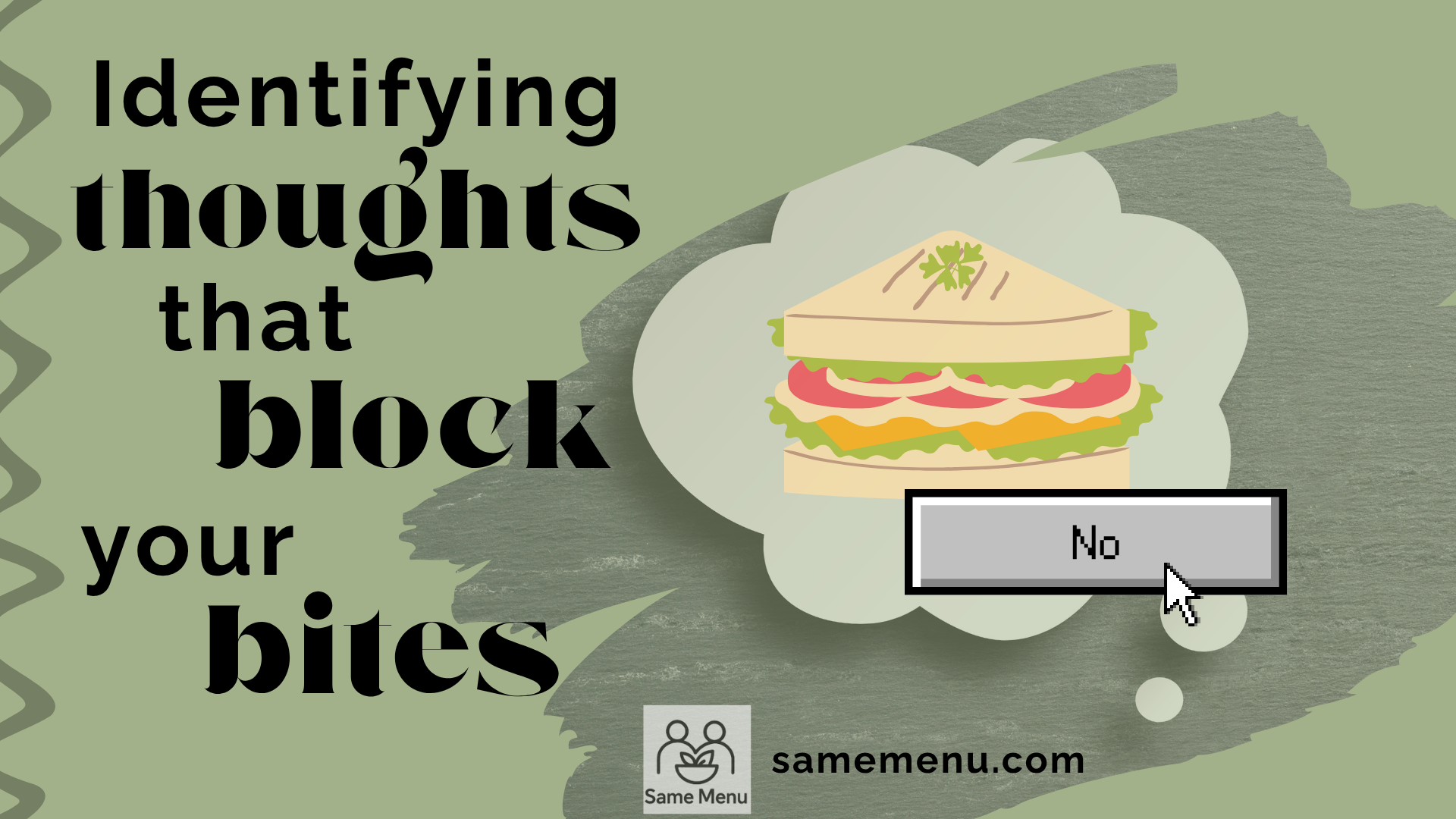
Identifying Thoughts That Block Your Bites
It can feel like a betrayal from mind to body when swallowing, something you used to do automatically, has turned into something you have to think about. Many of the people I work with describe the same paradox: “I know I can swallow… but when I try, it feels like my throat locks up.” That’s…
-
How to Make a Fortified Sipping Broth at Home
Walk into any grocery store today and you’ll see entire shelves dedicated to liquids in cartons: chicken broth, beef stock, bone broth, sipping broth. Some promise “collagen for your skin,” others “restaurant-quality flavor.” And yet, for all the branding, most people couldn’t tell you where broth ends and stock begins. That’s not just trivia. For…
-
How Do I Swallow?
Dysphagia is a very large umbrella for a large collection of symptoms at a large range of severities. This is not medical advice for your self-treatment; evaluation by a licensed speech-language pathologist is critical to determine if there are any physiological changes responsible for sudden changes in eating/drinking/swallowing. You must consult with your physician for…
-
Mindful Eating
Engaging the Senses with a Single Bite Mindful eating is a powerful tool, especially when navigating dysphagia. It helps build awareness of the swallowing process, reduces anxiety around meals, and strengthens the mind-muscle connection. This guided activity will help you focus on the sensory experience of eating, using a single small bite of a safe…
-
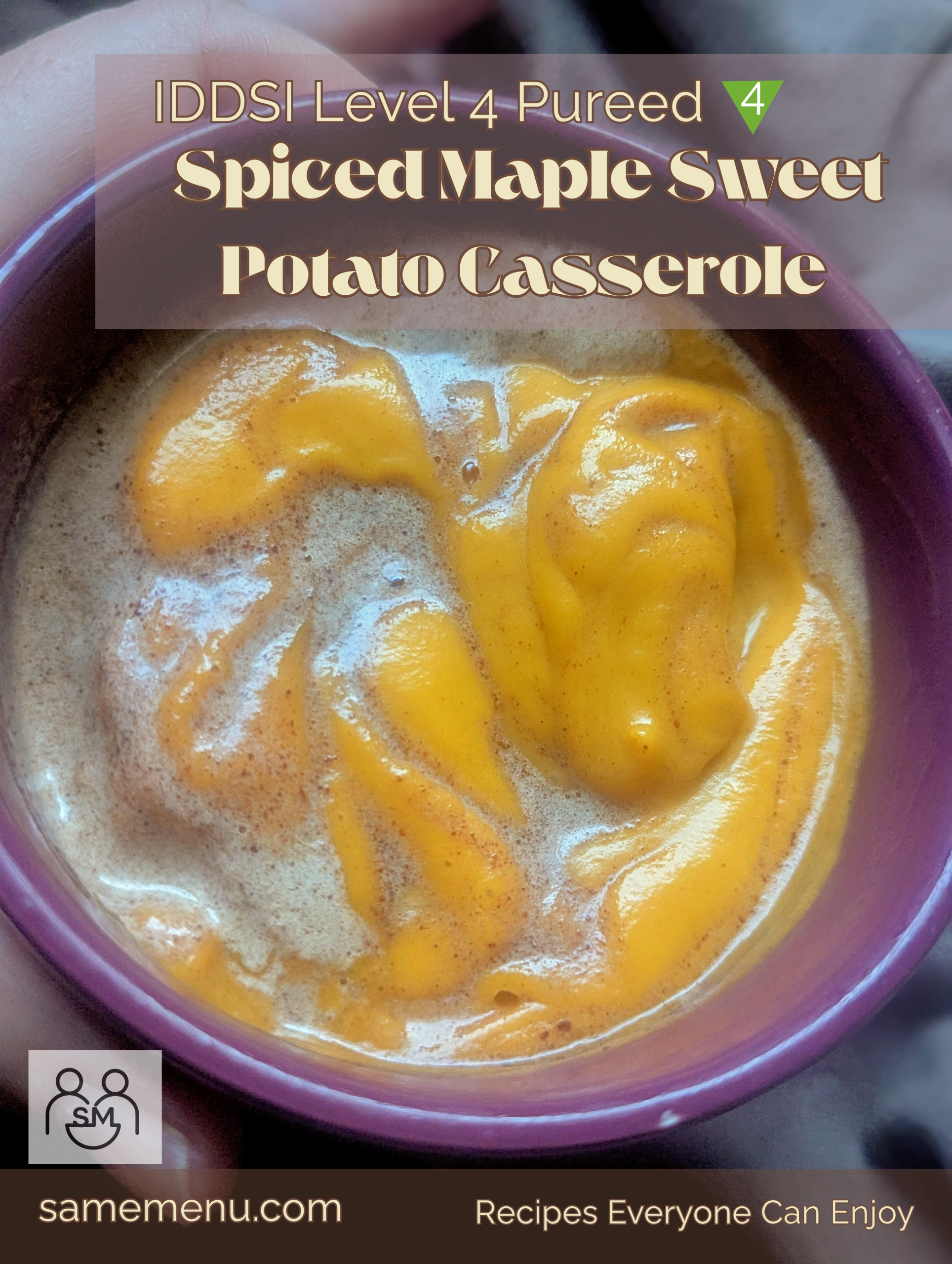
Spiced Maple Sweet Potato Casserole
Pureed (IDDSI Level 4) Completely smooth foods/extremely thick liquids with no lumps that hold their shape on a spoon and don’t require chewing. Creating meals that are accessible and flavorful is at the heart of my mission as both a speech-language pathologist and a cook. Each dish needs to be enjoyable for all, regardless of…
-
5 Tools For a Modified Texture Kitchen
I love the flexibility of cooking. If you gave 10 home chefs the same request, I bet you’d come away with at least three completely different ways to tackle it. Technique is often the most critiqued aspect of the way that a person cooks, but within the “how” of the dish, there’s also a question…
-
Fear of Swallowing: Understanding Anxiety at Mealtimes
Fear-based swallowing difficulties don’t appear out of nowhere. They’re learned. Maybe anxiety heightened your focus on the mechanics of eating, making every movement in your throat feel unnatural, exaggerated, or risky. Maybe you’ve started avoiding certain foods, textures, or entire meals just to sidestep the anxiety. If any of this sounds familiar, know that you’re…