Feeding a child with dysphagia can turn an ordinary question of “What’s for dinner?” into something much more complicated. Maybe your child was recently diagnosed with a swallowing disorder. You’ve been given an IDDSI food or drink level and are trying to figure out what that actually looks like at home. Or maybe you’re still waiting for an evaluation after noticing coughing, difficulty chewing, food pocketing or something else that didn’t seem quite right during a meal. Wherever you’re starting, this pediatric dysphagia resource center is designed to help you understand the recommendations you’re given and turn them into something practical.
I’m a speech-language pathologist with 10+ years experience in commercial kitchens and over 15 supporting families impacted by dysphagia. Here you’ll find information about pediatric feeding and swallowing, IDDSI food testing, thickened liquids and everyday feeding challenges, along with recipes designed specifically for children who need texture-modified foods.
What Can a Child With Dysphagia Eat?

There isn’t one universal “dysphagia diet” for children. The appropriate foods depend on your child’s individual chewing and swallowing abilities, developmental skills and the recommendations made by their feeding and swallowing team. My guide to What Can a Child With Dysphagia Eat? explains the different possibilities and gives practical examples of how familiar foods can be adapted.
Understanding IDDSI Testing for Children
If your child’s feeding team has recommended an IDDSI level, you may suddenly find yourself dealing with terms such as:
Level 4 Pureed
Level 5 Minced & Moist
Level 6 Soft & Bite-Sized
Level 7 Easy to Chew
The important thing isn’t simply memorizing which foods appear on an approved list. It’s learning what the food at your child’s table actually needs to do. My Guide to Testing IDDSI Food Levels for Children walks you through the practical tests used to evaluate food, including the Fork Pressure Test, Fork Drip Test, Spoon Tilt Test and pediatric particle size requirements.
Once you understand how to test food, you aren’t limited to a short list of meals someone else decided were appropriate. You can start learning how to evaluate and adapt the foods your own family actually eats.
Pediatric Dysphagia Recipes
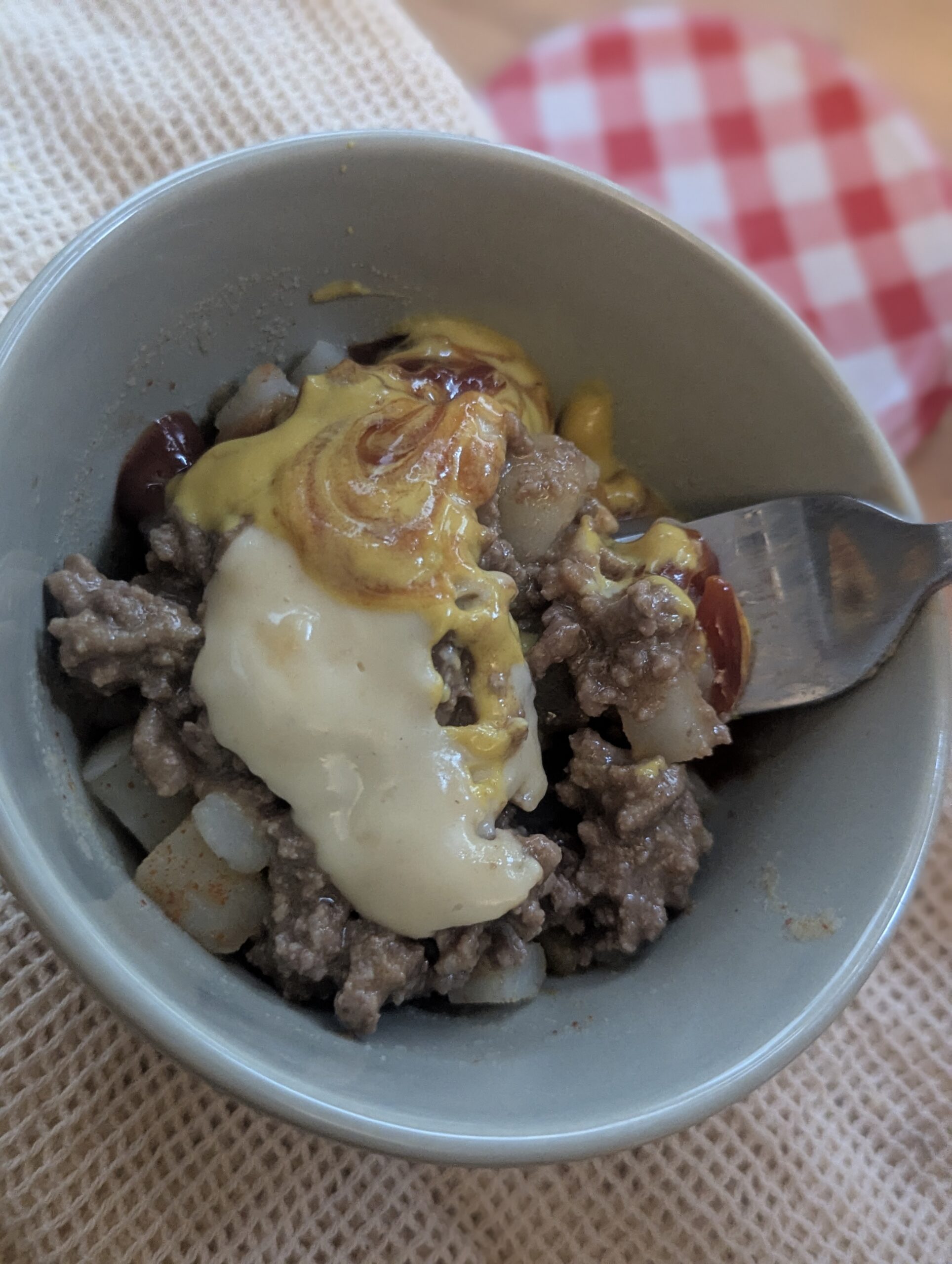
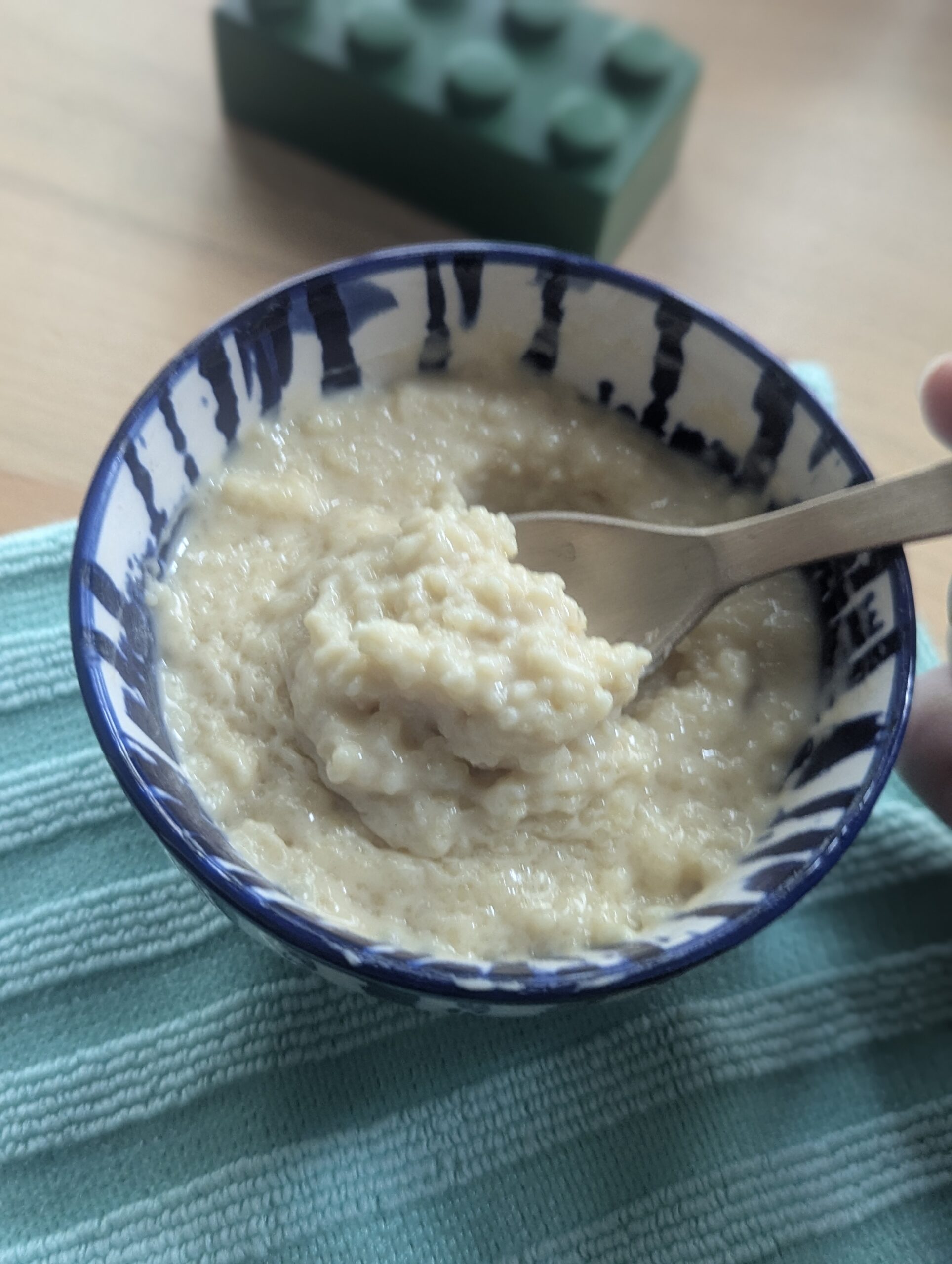
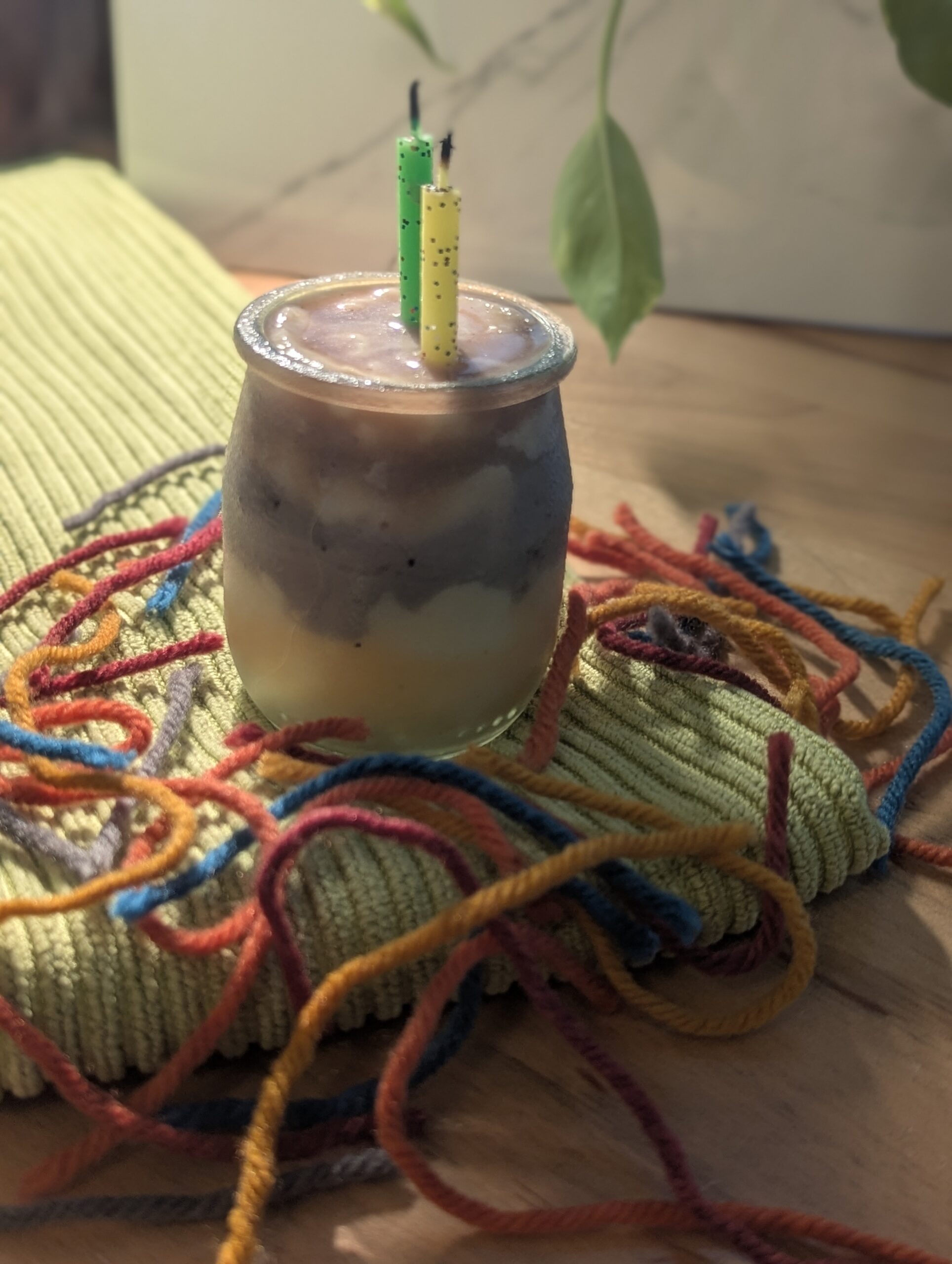
Kids should still get to eat food that looks and tastes like food meant for kids. That’s why my pediatric dysphagia recipes aren’t limited to bowls of unrecognizable puree. You’ll find familiar foods such as macaroni and cheese, pizza, tacos, chicken nugget-inspired meals, breakfast foods, snacks and desserts adapted for children who need texture modification. Recipes include instructions for adjusting the recipe to your child’s IDDSI texture and guidance for testing the finished meal.
Browse Pediatric Dysphagia Recipes
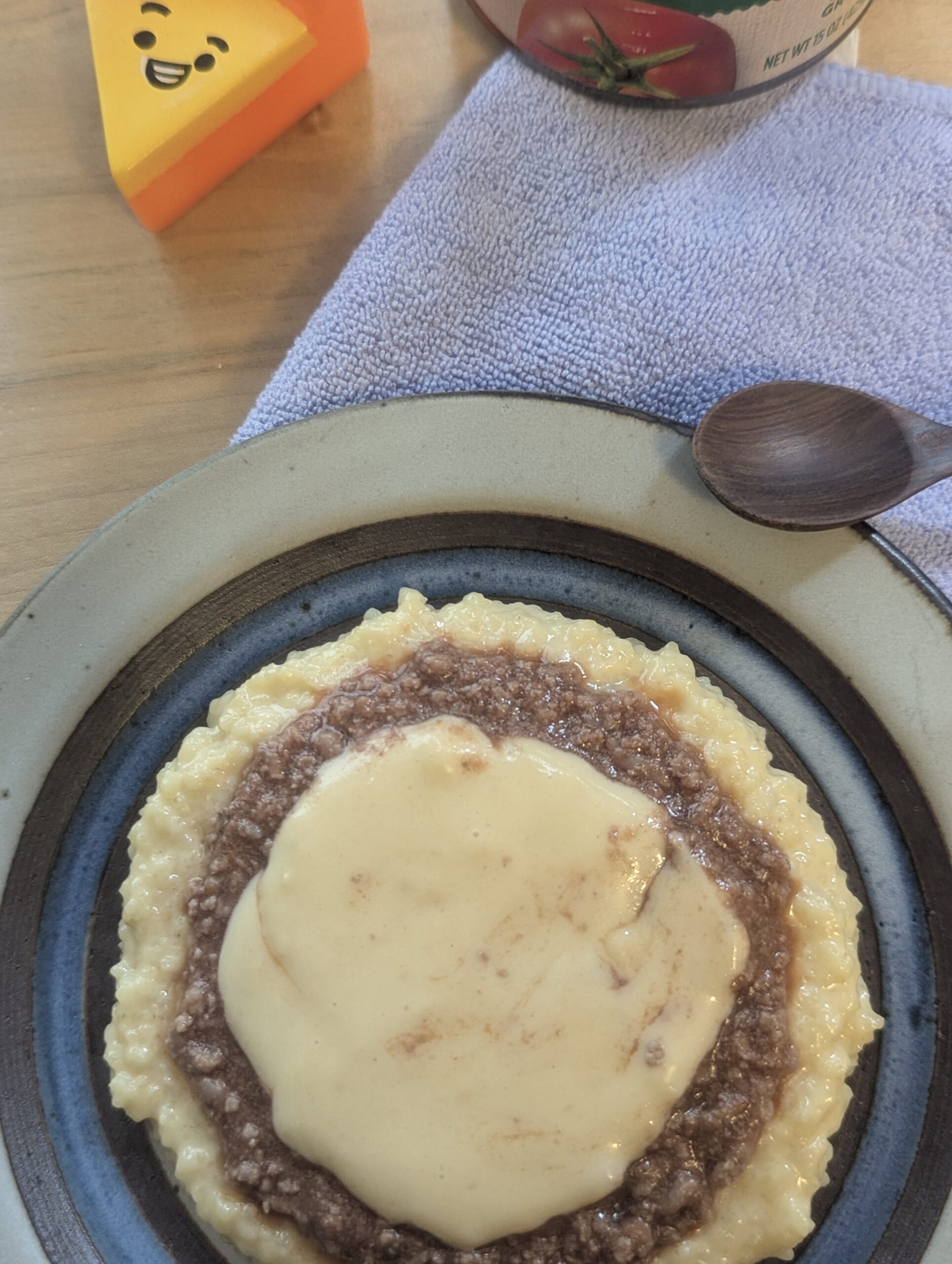
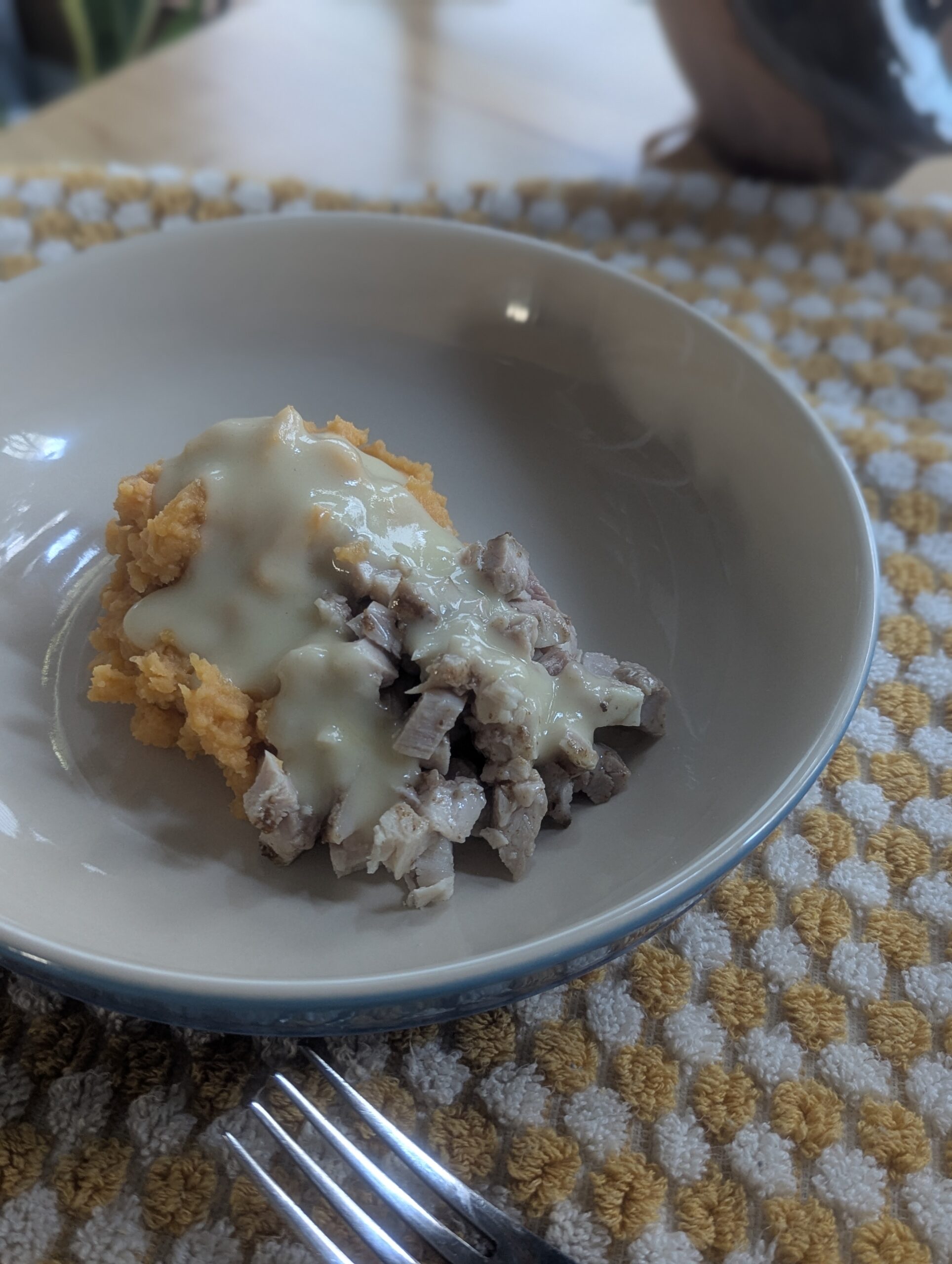
Feeding a Child With Dysphagia in the Real World
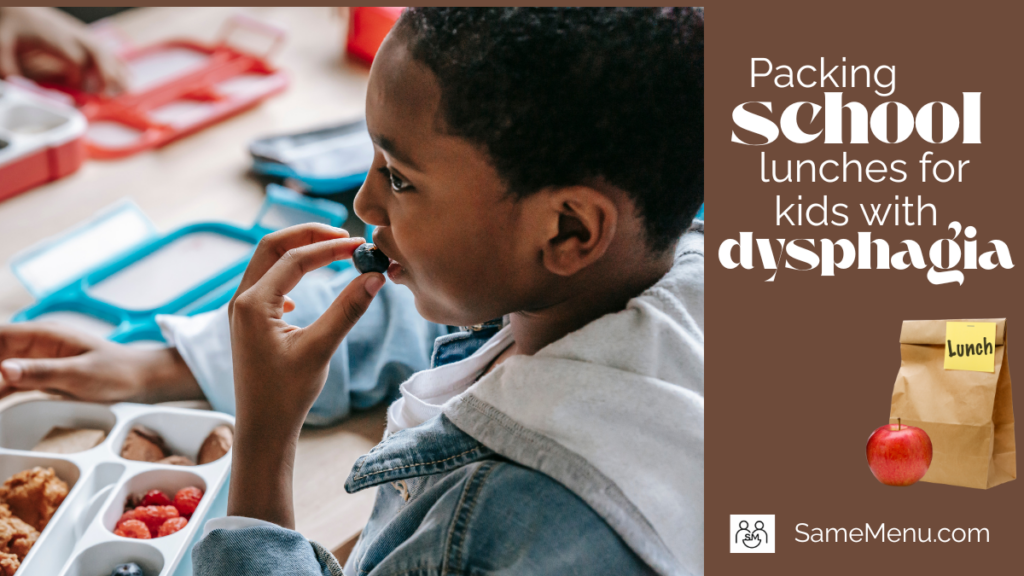
Meals don’t always happen at your kitchen table. Children eat at daycare, school, restaurants, birthday parties and relatives’ homes. When texture-modified foods are stored, they can change. A meal that passed an IDDSI test when you packed it in the morning may not behave exactly the same way several hours later. My Guide to Packing Dysphagia Meals for School and Daycare covers choosing appropriate containers, deciding whether to premix foods or send components separately, refrigeration and reheating, and communicating with school and daycare staff.
My goal with Same Menu is to help bridge that gap between the clinical recommendation you’re given and the food you need to put on the table. Explore the guides above, browse the pediatric dysphagia recipes, and use your child’s individualized feeding recommendations as the starting point for learning how to make everyday food work.