If you’ve just been told that your child has dysphagia, one of your first questions is probably a very practical one:
What am I supposed to feed them?
The frustrating answer is that there isn’t one universal “dysphagia diet.” Children with swallowing difficulties have different abilities and different reasons for having trouble eating or drinking. One child may need only a few changes to how food is prepared. Another may need foods blended completely smooth. Some children can manage regular foods but have difficulty with thinner liquids.
That’s why the safest diet for your child should come from their individual feeding and swallowing evaluation. But once you have that recommendation, there’s another problem: You still have to make dinner. I’m a speech-language pathologist (SLP is the medical team member that evaluates and treats swallowing) but I’m also a cook. A major focus of my Same Menu site is translating clinical terms into actual food that families can prepare and children might actually want to eat.
Dysphagia Doesn’t Automatically Mean Pureed Food
This is one of the biggest misconceptions about dysphagia. Some children do need pureed foods, but others may safely eat foods with considerably more texture. The International Dysphagia Diet Standardization Initiative, or IDDSI, provides consistent names and characteristics for food textures and drink thicknesses. Your child’s SLP or medical team may recommend a particular IDDSI level based on your child’s swallowing abilities. For foods, you may hear recommendations such as:
Level 4: Pureed
Level 5: Minced & Moist
Level 6: Soft & Bite-Sized
Level 7: Easy to Chew
The appropriate level depends on what your child can safely and efficiently manage. This is where clinical recommendations have to meet the kitchen.
What Do Those Foods Actually Look Like?
Level 4: Pureed
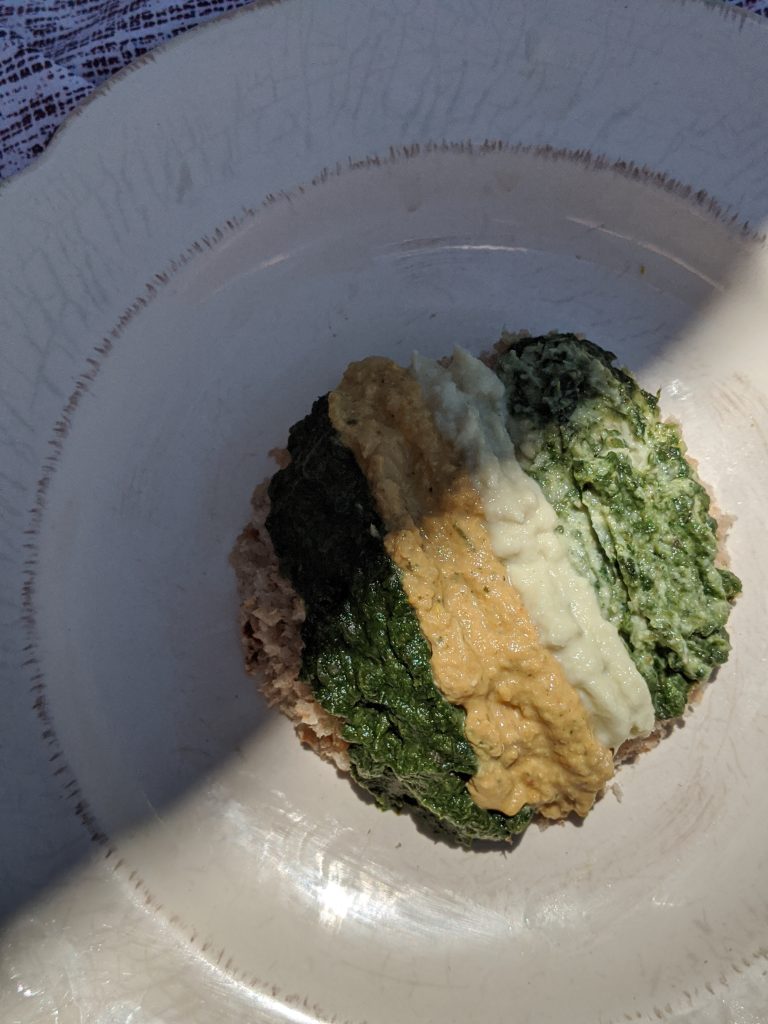
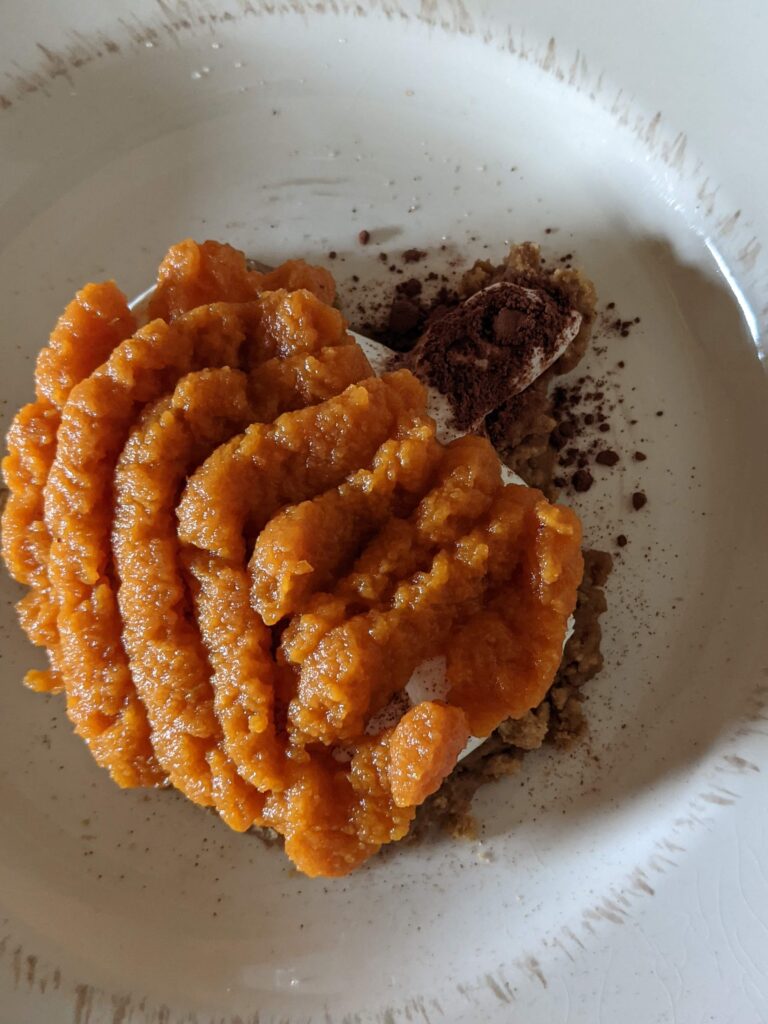
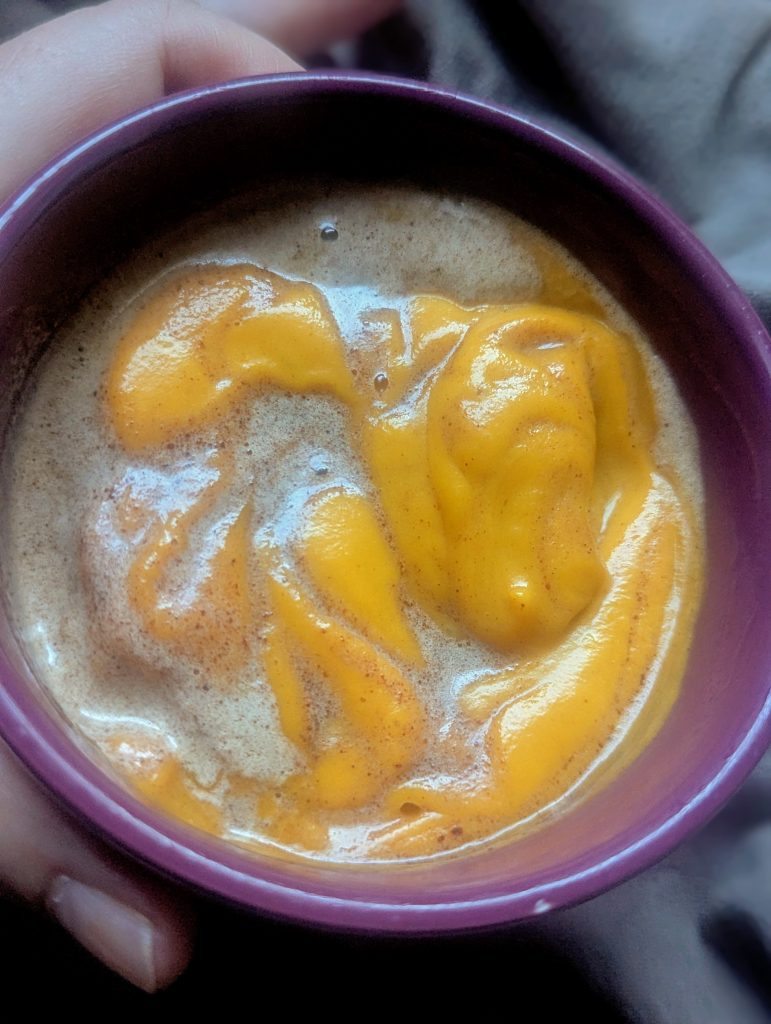
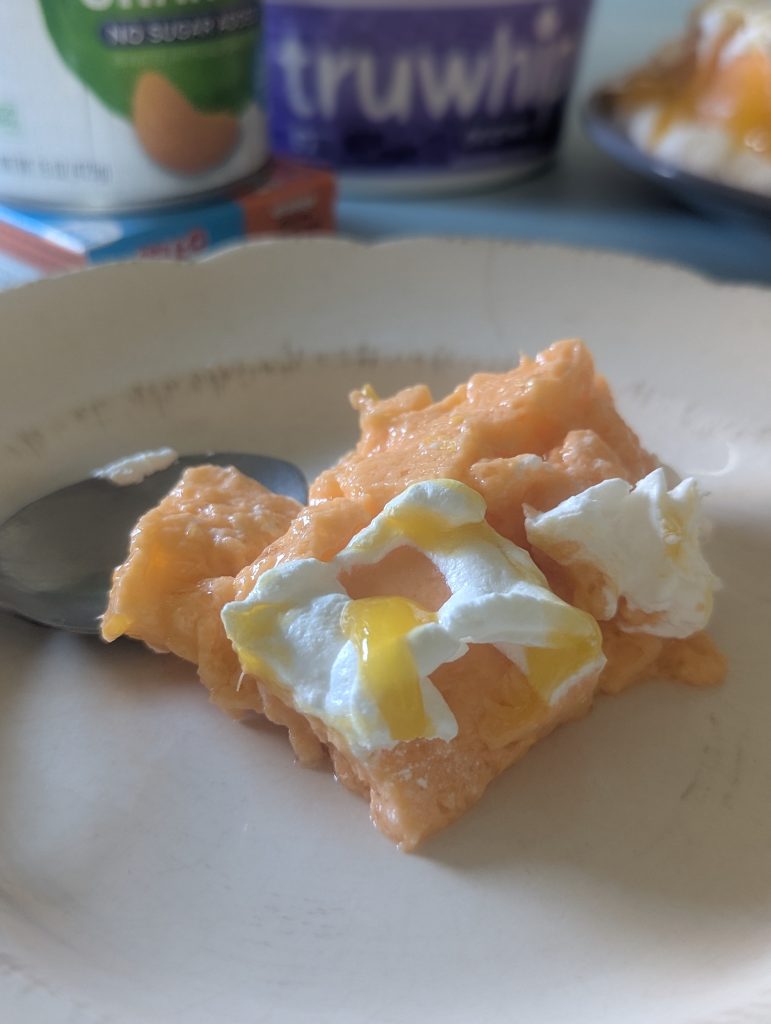
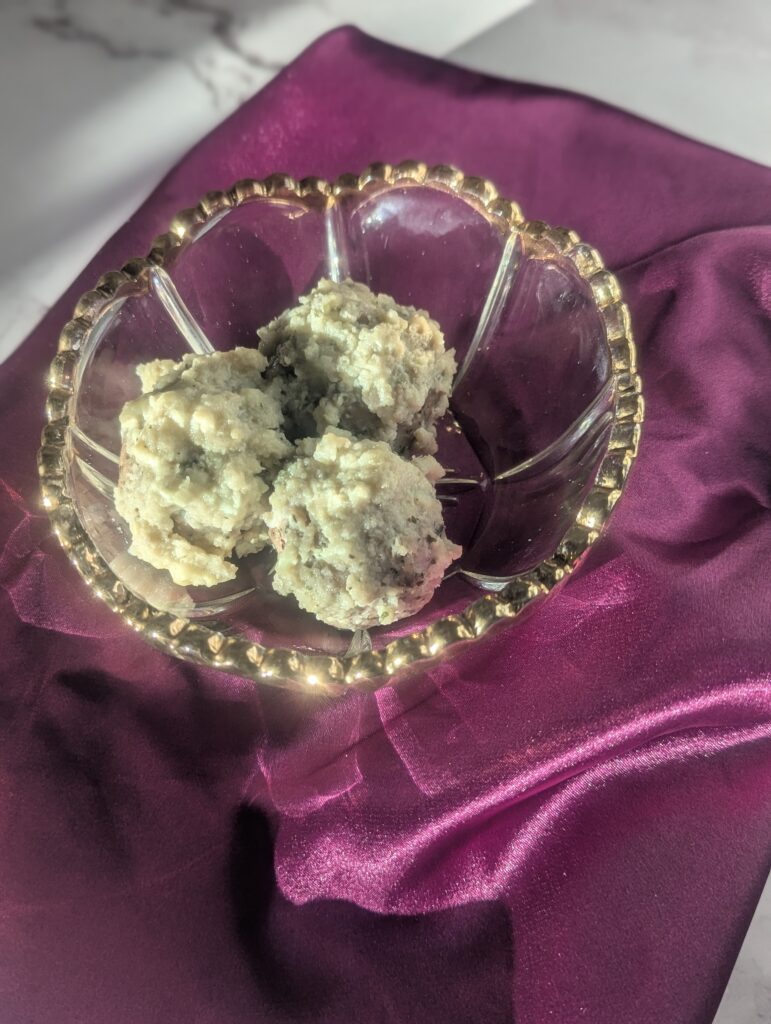
Pureed food should be completely smooth without lumps. It shouldn’t require chewing, and it should hold together rather than separating into solids and thin liquid. Foods such as chicken, vegetables, pasta, beans and familiar family meals can often be turned into purees with the right cooking and blending techniques.
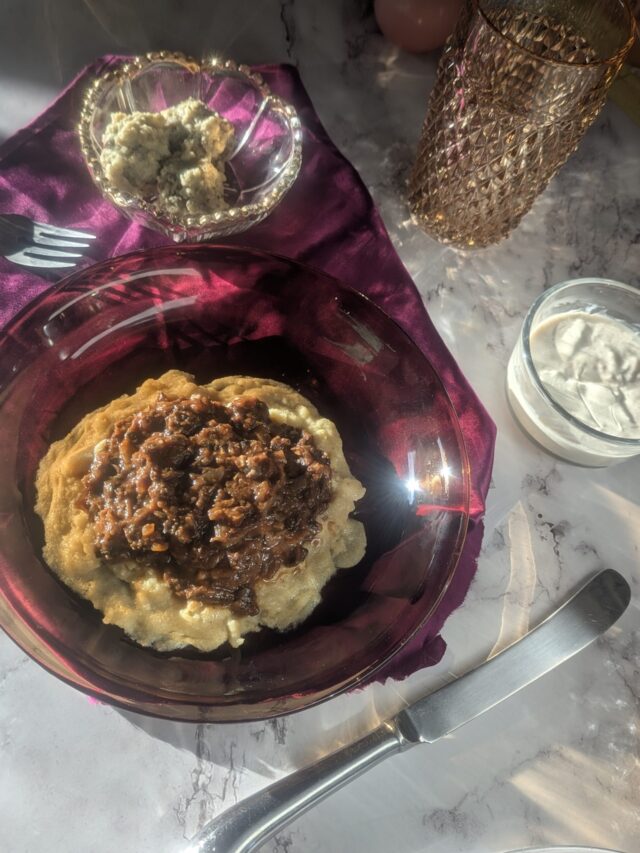
The important part isn’t simply putting dinner into a blender. The finished food still has to meet the testing requirements of Level 4, like making sure it is thick enough to sit on top of a fork without dripping through. On top of that, mysterious brown blobs can lead to lack of interest and willingness to try a meal.
Level 5: Minced & Moist
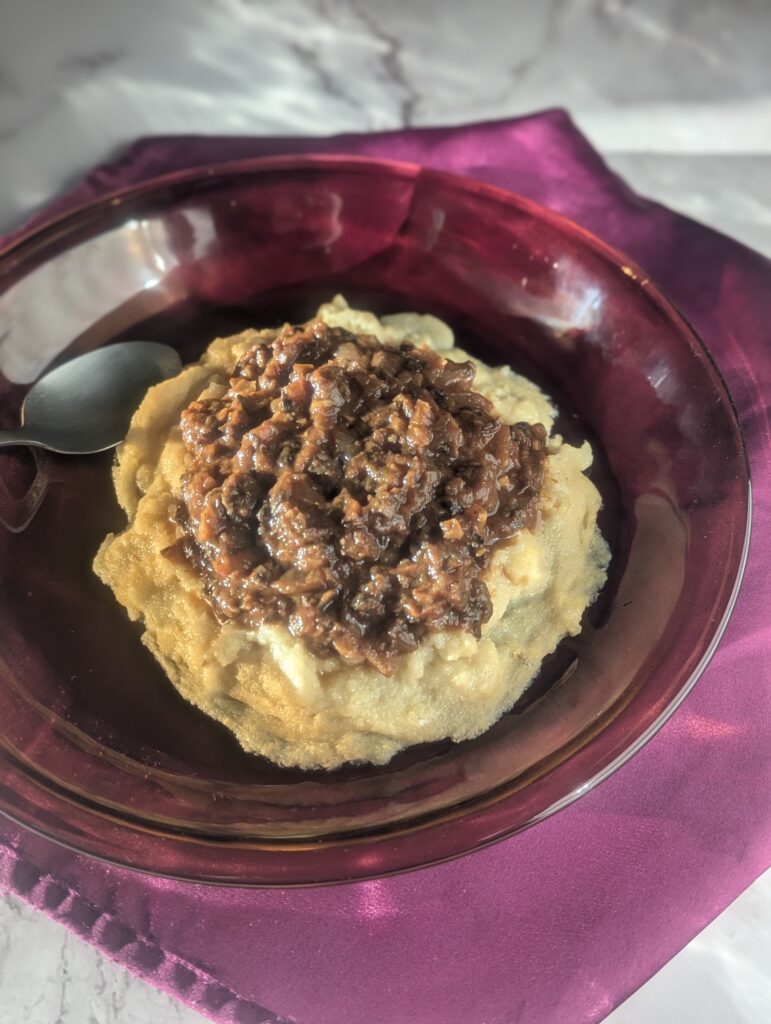
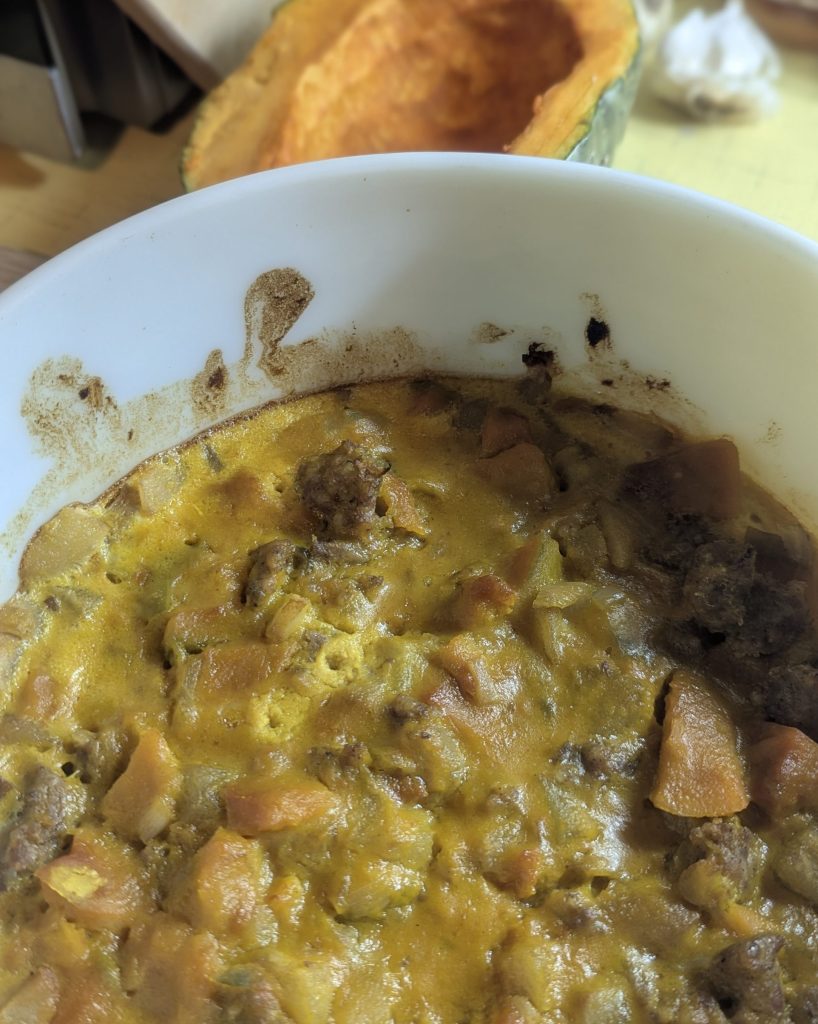
Level 5 allows very small, soft pieces of food. For babies and children, those pieces are much smaller than the adult standard: no larger than 2 mm. This translates to about half of the space between the prongs of standard fork. The thinking is that these pieces will be safe with minimal chewing or even just tongue pressure.
Foods also need enough moisture to hold together. Dry, crumbly minced meat, for example, doesn’t become Level 5 just because you’ve chopped it finely. This is where sauces become incredibly useful, beyond just the flavor they add. A finely processed meat may become much easier to manage when combined with an appropriate thick sauce (purees are perfect) that helps the food remain cohesive.
Level 6: Soft & Bite-Sized
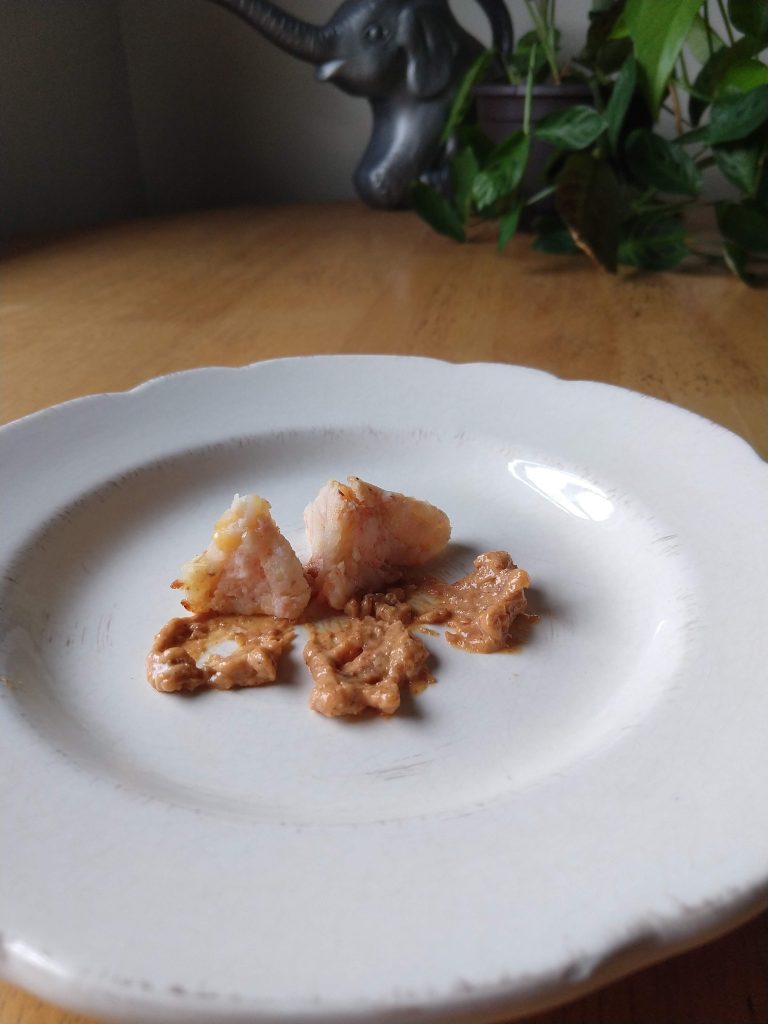
Level 6 foods are soft and tender and do require chewing. For babies and children, the pieces should be no larger than 8 mm x 8 mm. This ends up being about half of the width across all of the fork tines. The food must also be soft enough to squash completely when tested with appropriate pressure. When you press down to the point of your thumb nail just blanching white, the food should no longer spring back into its original shape.
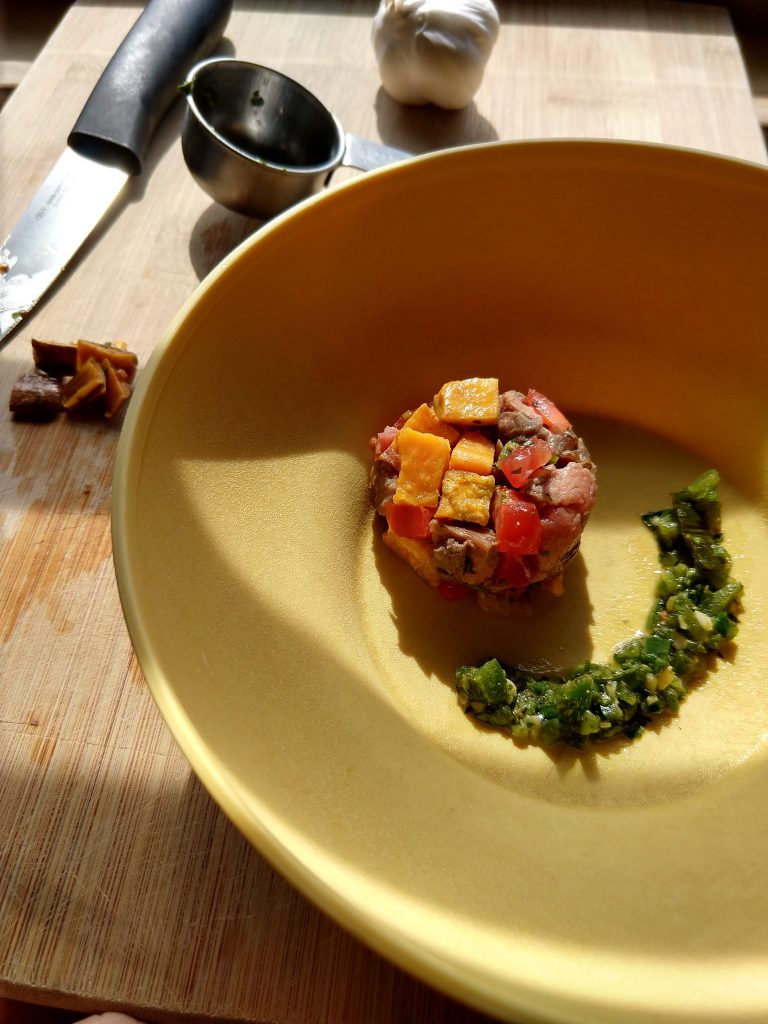
Level 7: Easy to Chew
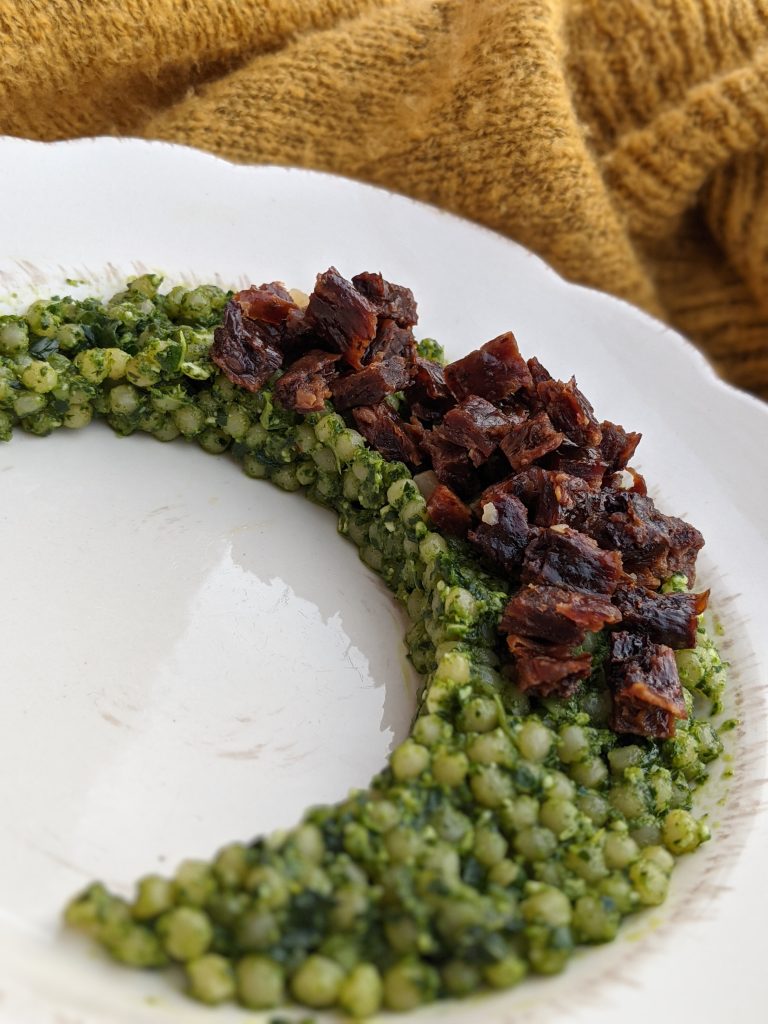
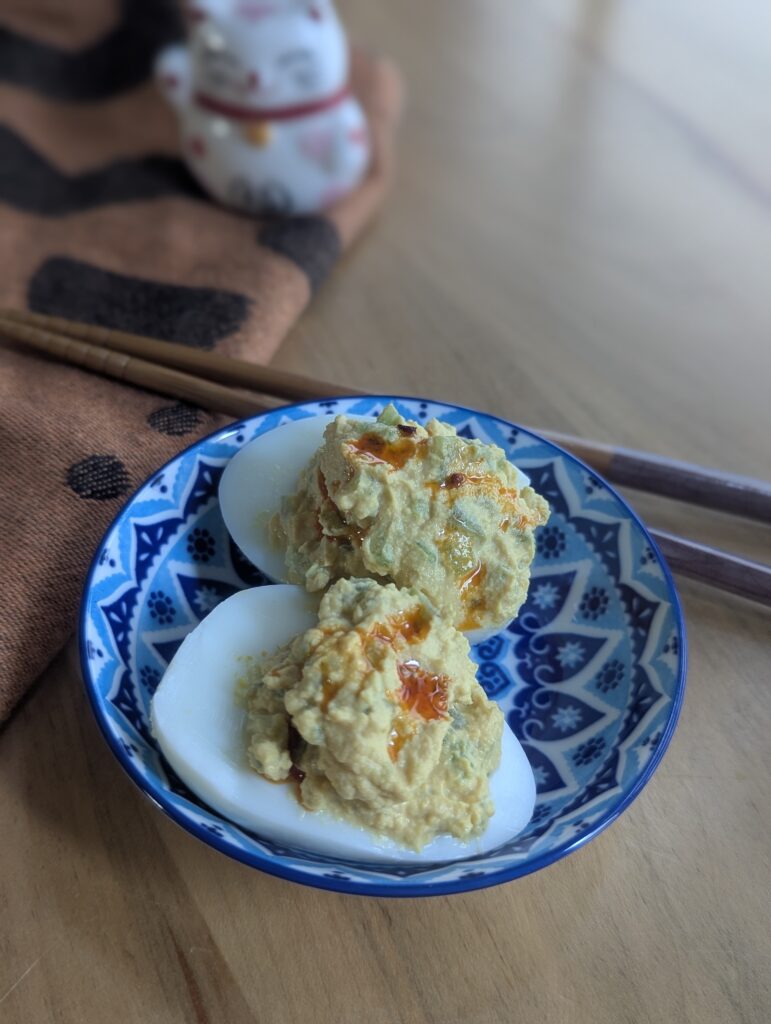
Easy to Chew includes normal, everyday foods that are soft and tender. Because there is no size limit to the pieces at this level, children need to be able to bite and fully chew to manage them safely. This can open up a much wider range of recognizable family foods, but foods still need to avoid super hard or really fibrous textures.
What About Foods Kids Actually Like?
This is one reason I started developing pediatric recipes for Same Menu. A list that says your child can eat “soft cooked vegetables, moist meat and soft starches” may be a start, but it doesn’t answer, Can I make mac and cheese? What about tacos? Pizza? Chicken nuggets? A birthday dessert? While I mentioned earlier that the answer is rarely a direct “yes” or “no”, a better question can be, Can we change how that food is prepared so its texture becomes appropriate for my child?
Mac and cheese is a good example. Pasta can be cooked until appropriately soft, but the cheese sauce matters too. A sauce that’s creamy when piping hot may become thick, sticky or stringy as it cools. Children aren’t necessarily going to eat the entire meal immediately after you put it on the table. So when I develop a dysphagia recipe, I’m interested not only in whether it looks correct when it leaves the stove, but whether it behaves appropriately at the temperature at which it’s actually eaten. This can mean changing up the type of cheese used, because familiar foods are still worth pursuing. Texture modification doesn’t mean abandoning everything familiar about your child’s diet. We can preserve the flavor of a favorite food while changing its physical properties. A taco might become a soft, cohesive taco bowl, PB&J flavors can show up in a smooth cereal. The goal is to make safe food feel as recognizable, enjoyable and normal as we reasonably can.
Foods That Deserve Extra Attention
Some foods are naturally more challenging to modify safely. Depending on your child’s swallowing abilities and prescribed texture, these may include foods that are:
dry or crumbly
hard
overly chewy
stringy/ fibrous
sticky (this includes breads, remember getting a bite stuck to the roof of your mouth?)
tough
crispy
mixed in consistency, such as solid pieces floating in thin liquid
But don’t rely on a list of “safe foods” from the internet; preparation changes texture enormously. A raw apple, baked apple pieces and smooth applesauce are all apple, but they behave very differently in the mouth. The same is true of meat, pasta, vegetables, bread and nearly everything else we cook. Dysphagia cooking is ultimately about the properties of the finished food, not just the ingredient list.
Test Food at Serving Temperature
Foods change as they sit. Sauces thicken. Gelatin melts. Starches absorb moisture. Bread dries. Fats solidify. If your child takes 30 minutes to eat a meal, the food at minute 25 may not have exactly the same properties it had at minute one. Whenever possible, perform the appropriate IDDSI test at the temperature and condition in which the food will actually be eaten.
What If We Don’t Have a Diagnosis Yet?
If you’re reading this because you noticed coughing, choking or something unusual while your child was eating, you don’t need to have a name to start supporting your child. Make a note of what happened. Was it food or liquid? What food? How was it prepared? Did your child cough during the swallow or afterward? Did their voice suddenly sound wet or gurgly? Does this happen repeatedly? Those details can be useful when you speak with your child’s pediatrician or feeding/swallowing specialist. For ongoing concerns, your pediatrician can help determine whether your child should be evaluated by a speech-language pathologist or another member of a pediatric feeding team.
Where Do We Go From Here?
If your child has already been assigned an IDDSI level, you can start learning what that recommendation means in the kitchen. I’ve created Same Menu specifically to help bridge that gap. You’ll find recipes organized by texture level, explanations of IDDSI testing and practical techniques for modifying familiar foods. You can look at the full library of resources.
Every recipe here is designed for texture sensitive eaters: from dysphagia to dental issues to picky eaters. Get recipe roundups and practical tips by joining the mailing list.