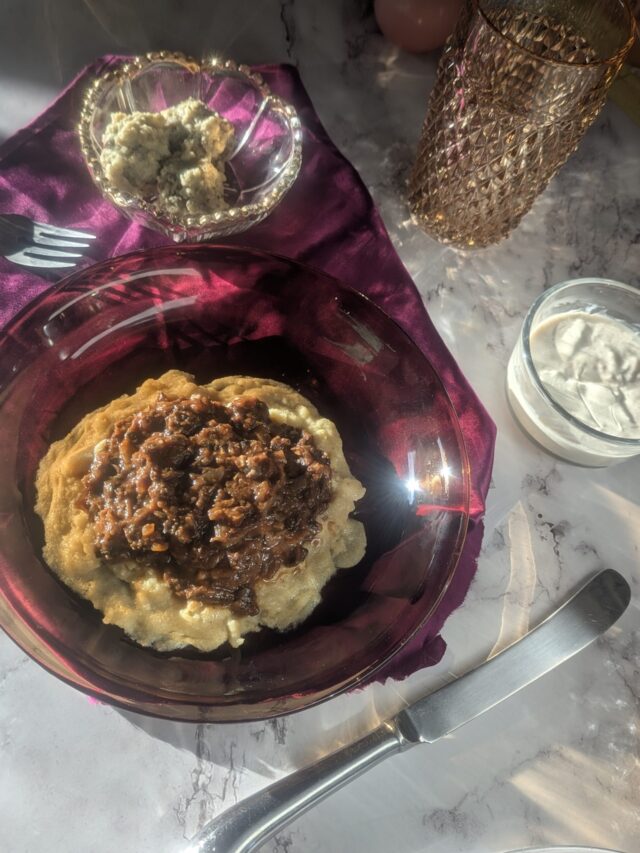
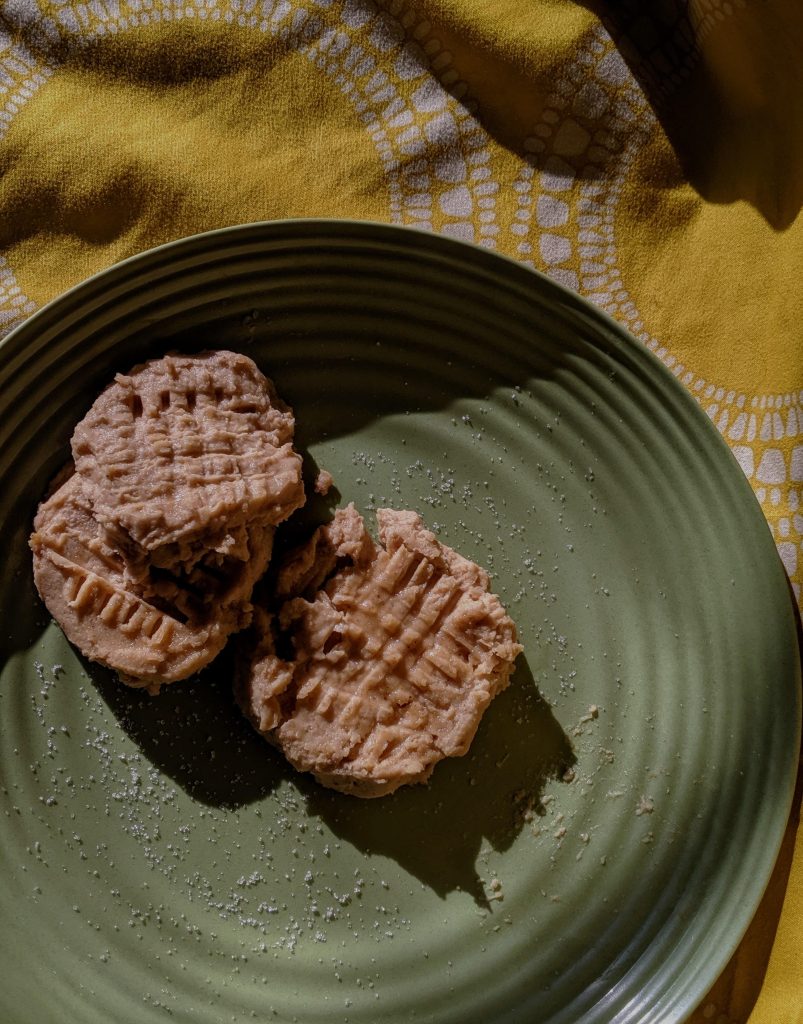
Texture modification changes how food feels, but it doesn’t have to remove everything that makes a meal recognizable or appealing. Presentation is one of the pillars I use at Same Menu when thinking about good texture-modified food: the Same Pride, as well as the Same Vocabulary and Same Menu. The goal isn’t to disguise dysphagia food or make every plate restaurant worthy, but to preserve as much of the familiar eating experience as we can.
That can be as low tech as keeping foods separate on a plate, adding shape with a spoon, or piping from a sandwich bag. It can also include more specialized tools like piping tips and molds, molecular gastronomy techniques, and even 3D food printing in commercial settings. Whether you’re cooking for one person at home, helping patients as a clinician, or producing hundreds of meals in a kitchen, there is room to make texture-modified food more inviting.
Why Presentation Matters
We eat with more than our mouths. Before taking a bite, we can see the colors on the plate, recognize individual foods, anticipate their flavors, and decide what we want to eat next. Texture modification can unintentionally remove some of those cues. If chicken, carrots, potatoes, and peas are all processed into similar-looking scoops, the person eating may have less information about what each food actually is. Keeping foods visually distinct, or shaping them to resemble their original form, gives some of that information back.
A molded portion of pureed carrots that looks like carrots communicates something before the first bite. The diner can recognize it, know what flavor to expect, and decide whether that’s the bite they want next. That ability to choose shouldn’t be underestimated. Meals aren’t simply nutrients being delivered. There are preferences involved: maybe you want some potatoes with the next bite of chicken. Maybe you want to save your favorite food for last. Recognizable presentation can help preserve those ordinary decisions.
You Don’t Have to Blend the Whole Meal Together
One of the easiest ways to improve presentation is simply to keep foods separate. If a meal includes beef, mashed potatoes, carrots, and peas, we can modify individual components to the appropriate texture rather than automatically processing the entire meal together. This can preserve:
Individual colors
Individual flavors
Recognition of the original meal
The ability to combine bites differently
A plate that looks more like what everyone else is eating
This fits directly into the Same Menu approach. The texture may change, but the identity of dinner doesn’t have to disappear with it. Of course, every component still needs to meet the person’s recommended texture level. Presentation never replaces IDDSI testing or individualized swallowing recommendations. So while a soft and bite-sized meal might be able to have each item separated, for a minced and moist diet, you may need to precombine two elements like the minced meat and a veggie puree to get a cohesive bite, but look for opportunities to still add variety and autonomy.
Start With the Plate
You don’t need any special equipment to improve presentation. Think about the same basic plating principles you would use for an unmodified meal.
Use Color
Try to avoid putting several similarly colored foods beside each other. Mashed potatoes, pureed chicken, cauliflower, and gravy can quickly become a plate of beige. A colorful vegetable puree, sauce, herb-infused oil where appropriate, or contrasting plate can create visual separation.
Give Foods Their Own Space
Separate components instead of spreading or mixing everything across the plate. This makes individual foods easier to identify and lets the diner decide what to eat and in what order.
Create Height and Shape
A puree doesn’t have to be a flat puddle. You can mound it, pipe it, shape it with a spoon, or use a small dish or mold to give it structure.
Keep Portions Intentional
Several smaller, deliberately placed portions can look much more appetizing than one large scoop. You can always offer more, and this can make it easier to keep temperature (learn why that matters for the texture) more consistent over the length of the meal.
Presentation Tools You Probably Already Own
Before buying specialized equipment, look around your kitchen.
Spoons
A regular spoon can create:
Smooth mounds
Swirls
Wells for sauces
Swoops across a plate
One or two spoons can also be used to form a quenelle: an oval-shaped portion commonly used in restaurant plating. Angle the spoon around 45-60 degrees to the surface and scoop with one spoon and then you roll it back in the other direction to scoop it smoothly out of the first spoon. It works beautifully with levels 4 Puree and 5 Minced & Moist level foods that hold their shape appropriately.
Sandwich or Freezer Bags
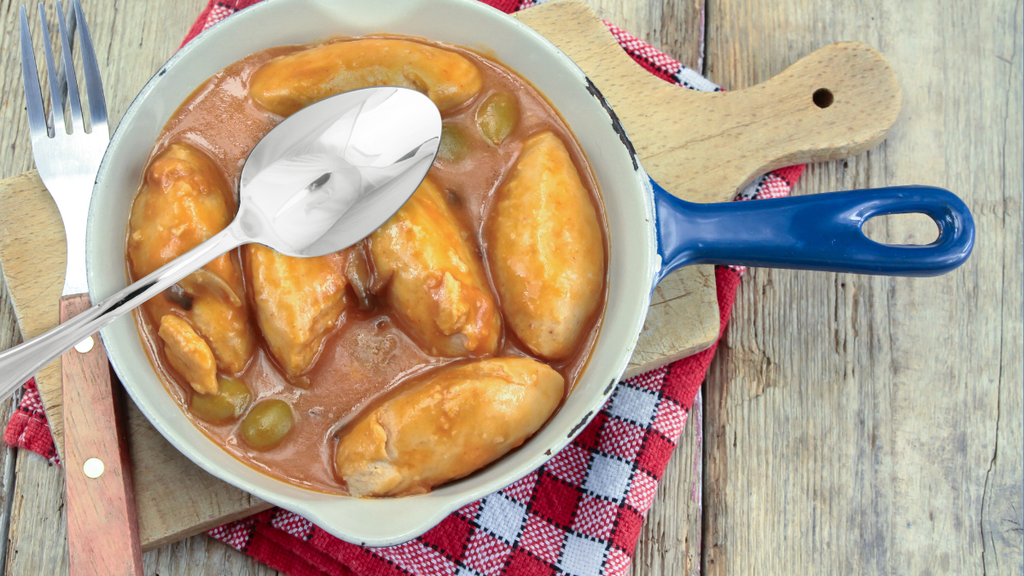
A plastic food-storage bag can become a disposable piping bag. Fill it with the prepared food, push the mixture toward one corner, snip off a small amount of the corner, and pipe. This works particularly well for foods such as mashed potatoes and appropriately prepared purees. Different piping motions can create dots, lines, rosettes, or mounds without purchasing anything special.
Measuring Cups, Scoops and Small Bowls
Small cups, ramekins, measuring cups, and portion scoops can all help create consistent shapes. Pack the food into the container and turn it onto the plate when the texture allows. Or use the edge of these tools to create “negative” spaces in shaping the foods.
Forks and Spatulas
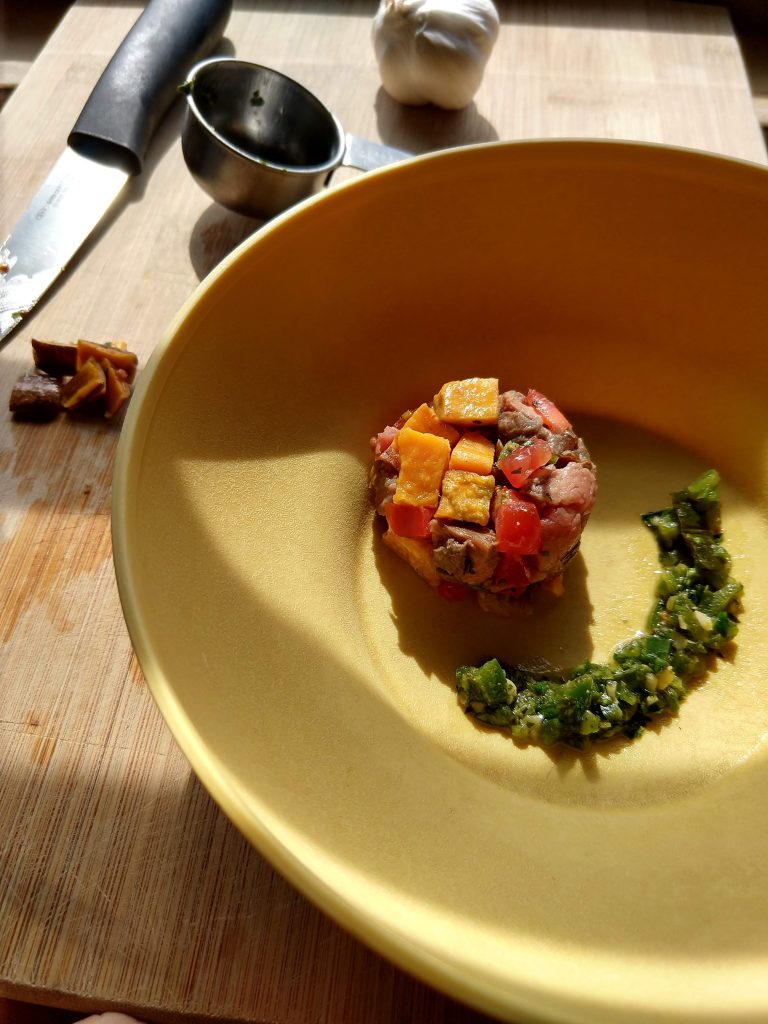
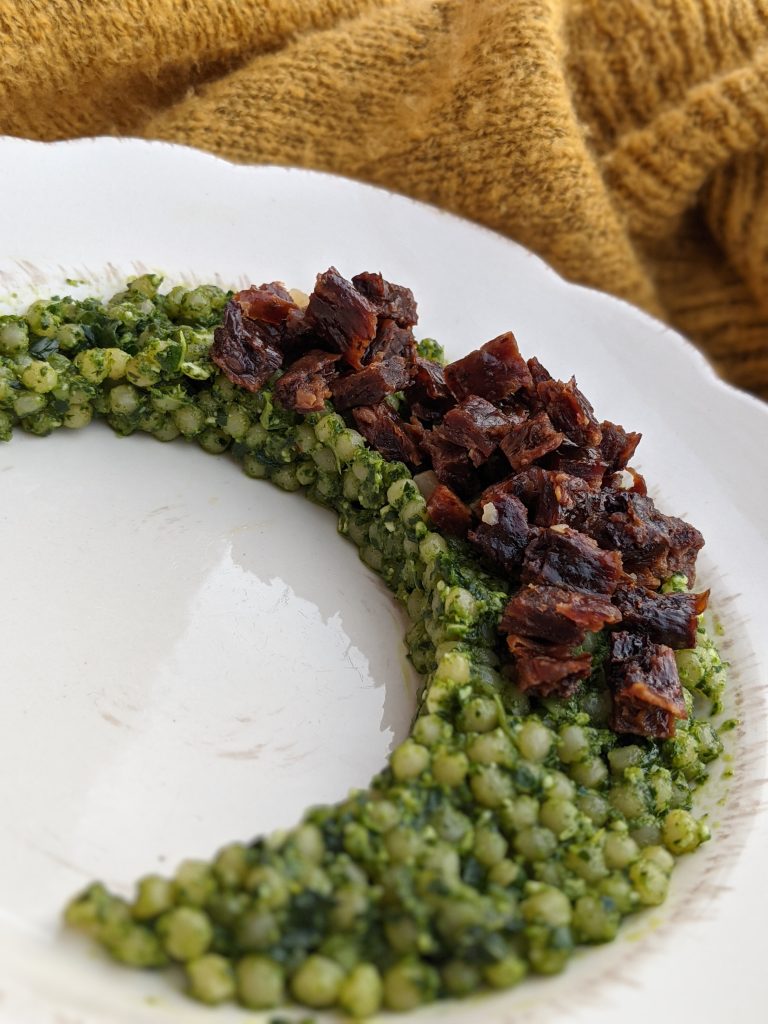
Simple lines, ridges, and other patterns can make a portion look deliberate placed. You’re giving the food some visual structure again vs just decoration for decoration’s sake.
Taking the Next Step: Piping and Food Molds
For someone regularly preparing texture-modified meals, a few inexpensive tools can expand your options considerably. Reusable piping bags and different piping tips allow you to create extra shapes and more consistent portions.
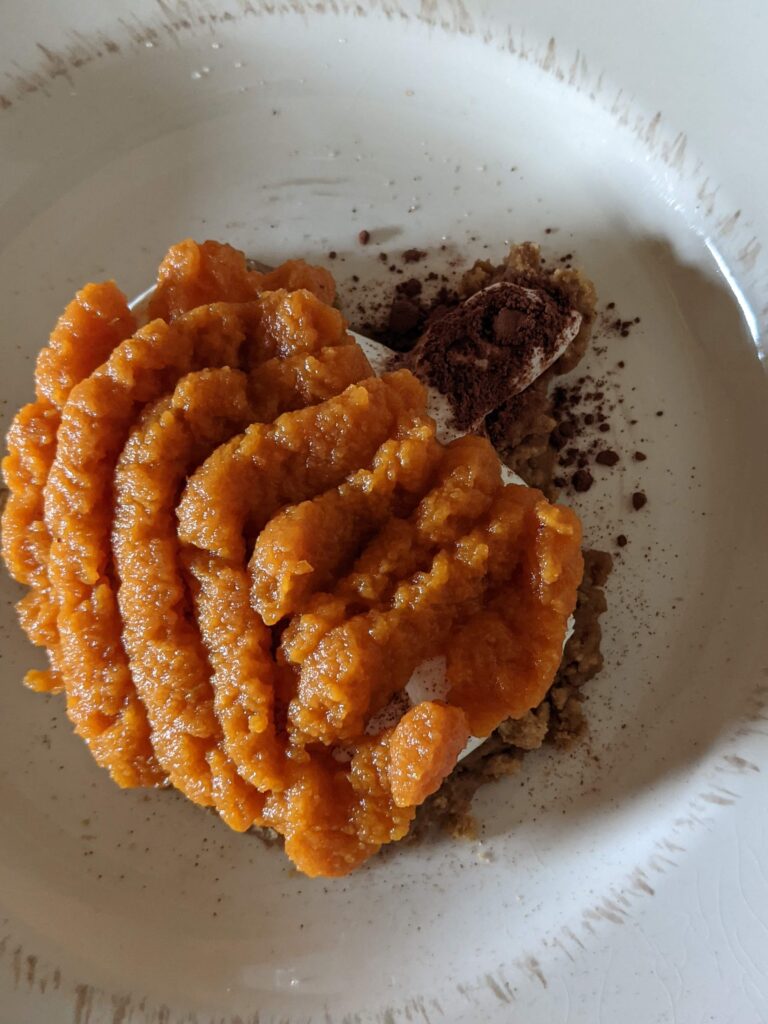


Silicone food molds go a step further. These are available in shapes resembling familiar foods such as carrots, peas, broccoli, chicken portions, fish fillets, sausages, and fruit. An appropriately prepared food can be placed into the corresponding mold so the portion communicates what it is made of. You don’t necessarily need a mold made specifically for dysphagia foods, either. Silicone baking, candy, and culinary molds can provide plenty of useful shapes if they work with your preparation method.
For home cooks, this may be something you reserve for certain meals rather than doing every day. For commercial kitchens producing repeated portions, molds can become part of a standardized workflow, completing batches that can then be frozen and defrosted as needed.
Beyond Molds: Modern Food Presentation Techniques
There is a large middle ground between spooning a puree onto a plate and buying a 3D food printer. Techniques borrowed from professional kitchens and molecular gastronomy can create new shapes and eating experiences while maintaining a controlled texture. Depending on the food and required IDDSI level, culinary techniques may include gels, foams, oil infusions/emulsions (Learn how to make your own infused oils) change how an ingredient is presented. These techniques require more knowledge than simple plating because the finished product still has to pass the appropriate texture tests or match the care team’s recommendations. For example, items like foams end up acting more like liquids than foods and need to be adjusted if the person enjoying the foods is using thickened liquids.
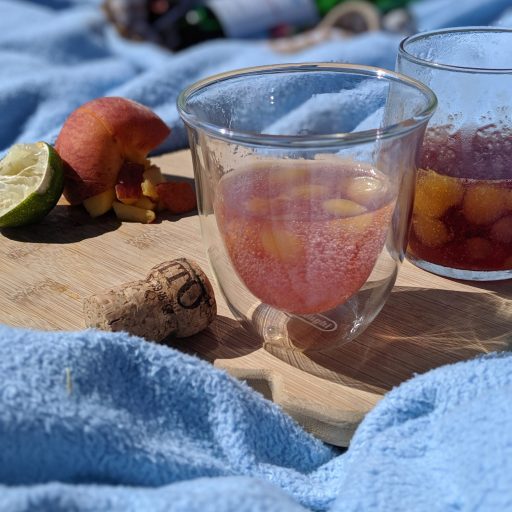
But for chefs and food service professionals especially, dysphagia cooking can be treated as a culinary challenge rather than simply putting the final meal through a blender.
3D-Printed Dysphagia Foods
At the most specialized end, food 3D printers can form texture-modified foods into detailed, repeatable shapes. Instead of filling a mold, a prepared food mixture is deposited layer by layer into a programmed shape. That creates possibilities for recognizable foods, consistent portions, and more complex presentations. This technology is particularly interesting for healthcare, senior living, and other large premade food operations where the same texture modified dishes may be produced repeatedly. It isn’t necessary for making attractive dysphagia food, and definitely isn’t where a home cook needs to start, but it demonstrates just how far texture-modified presentation can go.
For Home Cooks and Caregivers
Start small. You don’t need to turn dinner into an art project. Choose one change that makes the meal more recognizable or appealing:
Keep foods separate.
Add some contrasting colors.
Use a spoon to create a clean mound.
Pipe one component from a sandwich bag.
Try an inexpensive silicone mold for a frequently served food.
Plate the modified meal similarly to everyone else’s meal.
If you’re already putting significant work into making food safe, presentation shouldn’t become another exhausting requirement. Use the techniques that make meals better without making your routine unsustainable.
For Commercial and Healthcare Kitchens
For a commercial kitchen, presentation can become systematic.
Instead of relying on individual staff members to reinvent it for each plate, establish standards for:
Portion sizes
Mold shapes
Piping patterns
Plate layouts
Sauce placement
Color combinations
Garnishing where appropriate
IDDSI testing at the point of service
Photos of finished plates can provide staff with a repeatable visual target, just as a standard recipe provides a repeatable preparation method. The modified plate can and should intentionally mirror the regular menu. If everyone else receives chicken, potatoes, carrots, and peas, the texture-modified plate can retain those same recognizable components and colors. That’s Same Menu made visible.
For Clinicians
Presentation can be another useful part of dysphagia education. Alongside teaching texture requirements and IDDSI testing, consider showing patients and caregivers what compliant food can look like. That might mean demonstrating how to keep meal components separate, showing a simple piping technique, discussing moisture and color via sauces, or providing examples of recognizable molded foods. Education doesn’t have to stop at “this is the texture you’re allowed to eat.” Helping someone understand how to make that texture work within familiar meals can make recommendations much easier to bring home.
Safety Still Comes First
Presentation techniques should always happen within the requirements of the person’s recommended texture. A garnish, like raw greens, isn’t useful if it introduces an unsafe texture. A molded food still needs to meet the appropriate softness requirements. Foods can also change as they cool or sit on the warmed plate. After shaping and plating, test the food in the form and at the temperature in which it will actually be served. My IDDSI resources walk through the appropriate testing methods for each level if you need a refresher.
Make the Meal Look Like a Meal
Good dysphagia cooking is about remembering that the person receiving the meal is still having a meal. They can still recognize favorite foods. They can still have preferences about which bite comes next. They can still enjoy color, variety, familiar smells, and a plate that looks like someone cared about what went onto it. Sometimes accomplishing that takes specialized molds or professional kitchen techniques. Sometimes it takes nothing more than two spoons and an extra minute at the plate. Start with what you have, preserve as much of the original meal as you can, and build from there.
Same Pride. Same Vocabulary. Same Menu.
If you are or know an owner of a community restaurant, I’m looking to expand awareness and accessibility to texture modified foods in more locations outside of care facilities. Connect via the Altered Elevated Project.
Every recipe here is SLP designed for texture sensitive eaters: from dysphagia to dental issues to picky eaters. Get recipe roundups and practical tips by joining the mailing list.
Recipes by Texture
Written by a licensed speech-language pathologist with over a decade of clinical experience in dysphagia.