Soft & Bite-Sized (IDDSI Level 6)

Tender foods cut into small, bite-sized pieces that are easy to chew and break apart with minimal effort.
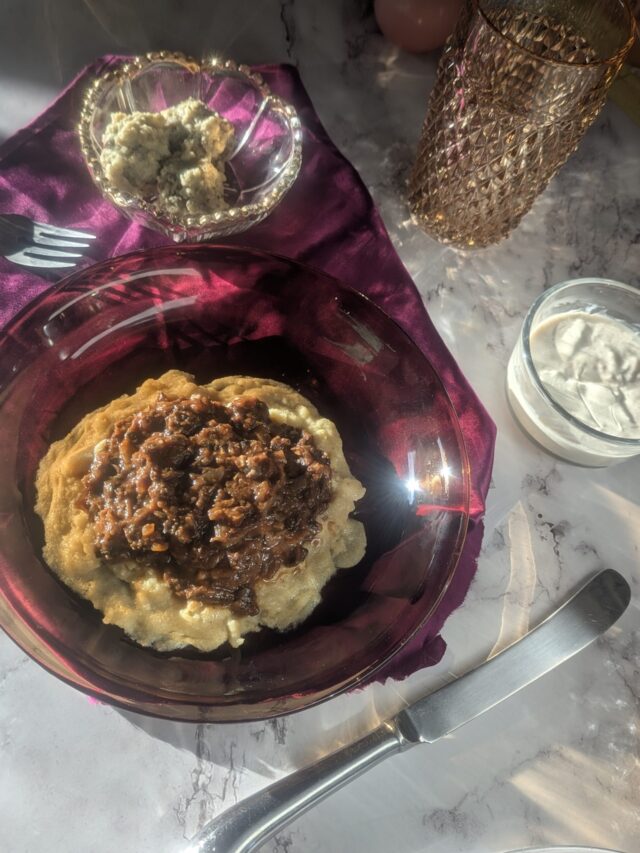
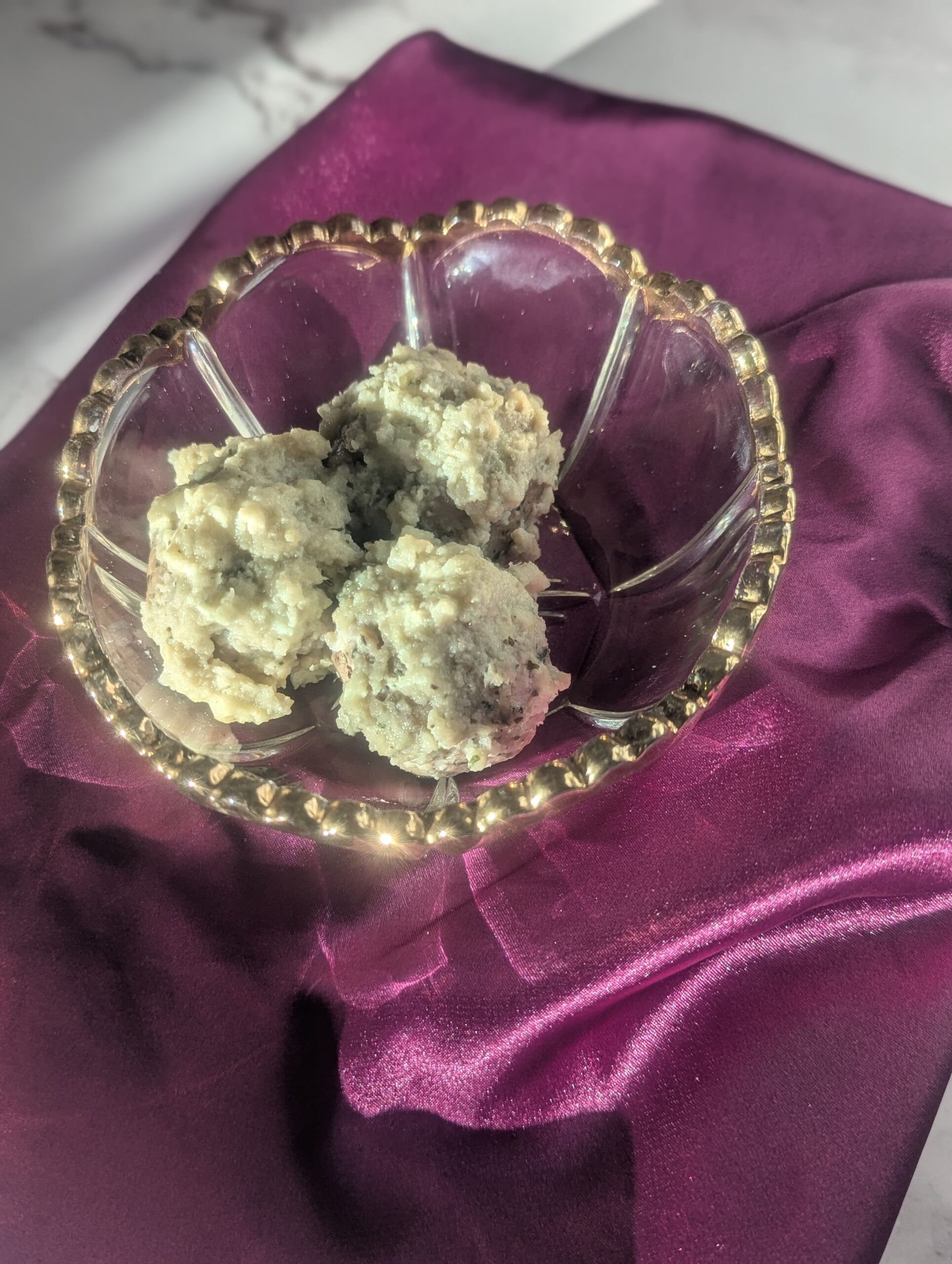
These chicken thigh and olive meatballs are built around tenderness, not browning. Using dark meat gives you a wider margin of success from the start. Thigh meat stays moist under gentle heat, reheats without drying out, and holds together softly instead of tightening as it cools. That makes these meatballs forgiving in real kitchens, especially when they’re cooked ahead and revisited later in the week.
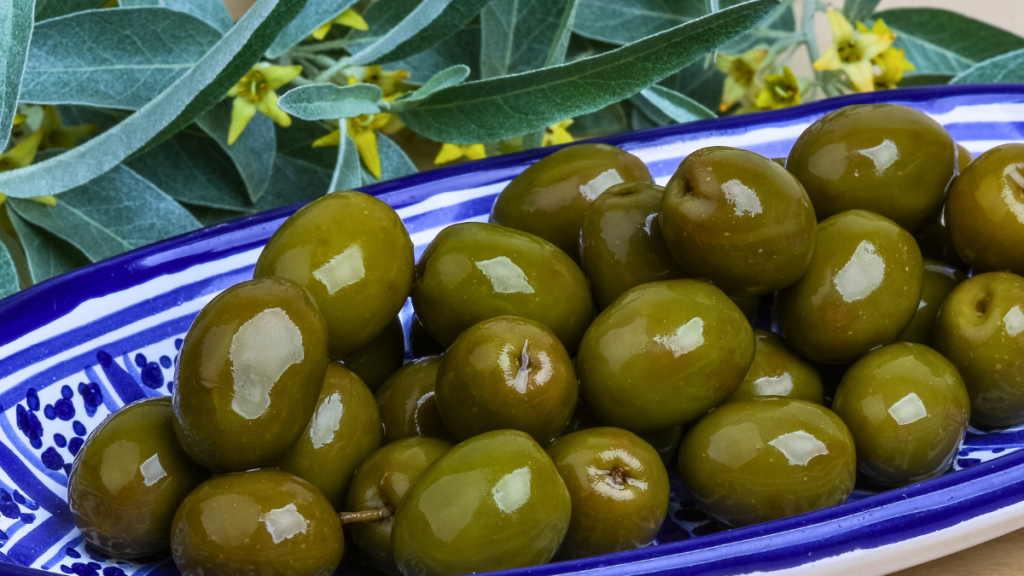
Instead of relying on a crust for flavor, these meatballs are seasoned from the inside. Finely minced olives bring salt and savory depth without sharpness, while milk soaked breadcrumbs keeps the interior cohesive and relaxed. Everything is mixed lightly and shaped small so the meatballs cook evenly and predictably. Nothing here depends on precision timing or last minute attention.
This recipe was developed as part of my Italian multi-course date night + meal prep recipe set for two.
Oven MVPs
Cooking the meatballs by oven braising is a deliberate choice. Starting them raw in a shallow bath of broth and butter allows the heat to stay even and controlled. Covered cooking prevents surface drying, and the gentle oven environment eliminates hot spots that can cause tough edges. The result is a uniformly soft and bite sized (IDDSI Level 6) meatball that rests well in its cooking liquid and reheats without losing structure.
As the braising liquid reduces, it picks up flavor from the meatballs themselves, creating a natural base that can be thickened lightly into a spoonable gravy. This makes the dish adaptable. It can be served simply as is, folded into other components, or adjusted to different texture needs without changing the core recipe. The meatballs remain the same. Only the finish changes.
These meatballs are intentionally flexible. They work as a small, composed appetizer, a protein component alongside grains or vegetables, or even blended smoothly when needed. The goal is not to showcase a single moment at the table, but to create something that stays pleasant and useful across multiple meals. Soft food should still feel deliberate. This recipe is designed to prove that it can.
Make this Recipe for Your IDDSI Level
As written, this recipes is at IDDSI Level 6 Soft and Bite Sized. This recipe can also be adapted for Level 3 Liquidized, Level 4 Pureed, Level 5 Minced and Moist, and Level 7 Easy to Chew. See the adaptation instructions below or if you are printing the recipe, they will be included in the notes section.
Level 3 Liquidized (Smooth enough to drink or pour; no chewing): Blend the prepared recipe with chicken broth until it is thin enough to meet your diet texture (use the IDDSI flow test to confirm) at the time of eating the meal.
Level 4 Pureed (Smooth and thick enough to hold shape on a spoon; no chewing): Following baking, blend meatballs with splashes of cooking liquid until smooth, no particles to chew.
Level 5 Minced and Moist (Soft pieces that fit between fork prongs in a puree; minimal chewing): Take off the foil/lid for the final 5-10 minutes of baking to help the liquid reduce. After chicken is done cooking, you can make a gravy by bringing cooking liquid to a boil and mixing in a slurry of cornstarch (3/4 tsp cornstarch and 1 1/2 tbsp cold water), and stirring. The liquid will look thinner when it is hot but will thicken as it cools, so be sure to test at service.
Level 7 Easy to Chew (Foods that are soft and easily bite into pieces): Enjoy this recipe as is, it fits your level.
Chicken Thigh and Olive Meatballs Recipe
Ingredients
Equipment
Method
- Heat oven to 325℉. In a large bowl, combine breadcrumbs and milk. Let soak 1–2 minutes until fully absorbed. Add egg, parmesan, minced olives, shallot, olive oil, salt, pepper, and nutmeg Stir until smooth and cohesive. Gently fold in the ground chicken thighs just until combined. Do not overmix. Using damp hands, form mixture into small uniform meatballs (use a fork width to measure approximate size for SB6).
- In a wide, deep baking dish or covered casserole dish, add broth and butter. Place raw meatballs into the simmering liquid in a single layer. The liquid should come about halfway up the sides.
- Cover and bake for 30-35 minutes, until fully cooked (tests at 165℉). Let them rest in the liquid until serving or transferring.
- Level 3 Liquidized (LQ3): Blend the prepared recipe with chicken broth until it is thin enough to meet your diet texture (use the IDDSI flow test to confirm) at the time of eating the meal.
- Puree 4 (PU4): Following baking, blend meatballs with splashes of cooking liquid until smooth, no particles to chew.
- Minced & Moist (MM5): Take off the foil/lid for the final 5-10 minutes of baking to help the liquid reduce. After chicken is done cooking, you can make a gravy by bringing cooking liquid to a boil and mixing in a slurry of cornstarch (3/4 tsp cornstarch and 1 1/2 tbsp cold water), and stirring. The liquid will look thinner when it is hot but will thicken as it cools, so be sure to test at service.
- Easy to Chew 7 (EC7): Enjoy this recipe as is, it fits your level.
How do I…
Adjust the macros?
Protein: Include pureed white beans or egg whites in the meatballs, or create a dipping sauce based in Greek yogurt to add extra protein.
Fat: Opt for a vinegar or mustard based sauce to reduce fats. To increase, add an oil based sauce like an aioli or sour cream at service.
Carbs: You can reduce or skip the breadcrumbs entirely for the meatballs, reduce olives and rely more on the herbs, lemon and broth. Consider serving the meatballs over a vegetable mash instead of grains.
Make it fit my eating style?
Gluten-Free: Use GF breadcrumbs or replace with almond flour or GF oat flour.
Dairy-Free/Vegan: You can use a lentil/mushroom mix with the olives, bind with a flax egg, and braise the same way.
Make it fit my spoons?
Use a food processor to mix and grind evenly in one go.
Use jarred or canned olives that have pits removed or use olive tapenade to cut down on prep work.
Chicken sausage (any casings removed) can be a ready-made option.
Because these meatballs are cooked with wet heat from start to finish, they behave differently than browned or pan seared versions. The texture stays consistent, the interior remains cohesive, and the surface doesn’t dry out. That consistency matters just as much after the first serving as it does at the table. Leftovers reheat evenly, sauces stay emulsified, and the meatballs don’t require rescuing or reworking to be enjoyable again.
This approach also makes the recipe easier to adapt. The base stays the same whether the meatballs are served whole, chopped, or blended. Small adjustments to the surrounding liquid are enough to change how the dish functions, without changing how it’s made. That flexibility is intentional. It allows one recipe to meet different needs without becoming a different recipe altogether.
At its core, this is a dish designed to be calm. The ingredients are familiar, the method is forgiving, and the results hold up over time. Whether these meatballs are part of a larger meal or enjoyed on their own, they’re meant to reduce effort without lowering standards. Good food doesn’t have to demand constant attention. Sometimes the most successful recipes are the ones that quietly keep working long after the cooking is done.
Hungry for more?
If you have more chicken to move through, you can try out my chicken piccata pasta bake oven meal, or build a curried chicken flatbread. You can also modify this recipe to create a warm comforting soup like this turkey congee.